Let me tell you something: I almost deleted my Instagram account last week. Not because I’m having some dramatic digital meltdown, but because I realized I’d spent 47 minutes watching a guy build a tiny stone wall in a river. It was oddly satisfying. But also? It was 47 minutes I’ll never get back. That’s when it hit me: we’re all drowning in noise, and the only life raft is slow living.
I’m Rui Zhou, and I’ve been writing about lifestyle, tech, and the messy intersection of both for years. And if there’s one trend I’m betting my entire 2024 on, it’s this: the art of unplugging. Not as a vacation gimmick, but as a serious, rebellious act of self-preservation. Forget hustle culture. Forget the “rise and grind” nonsense. 2024 is the year we finally admit that being busy all the time is a disease, not a badge of honor.
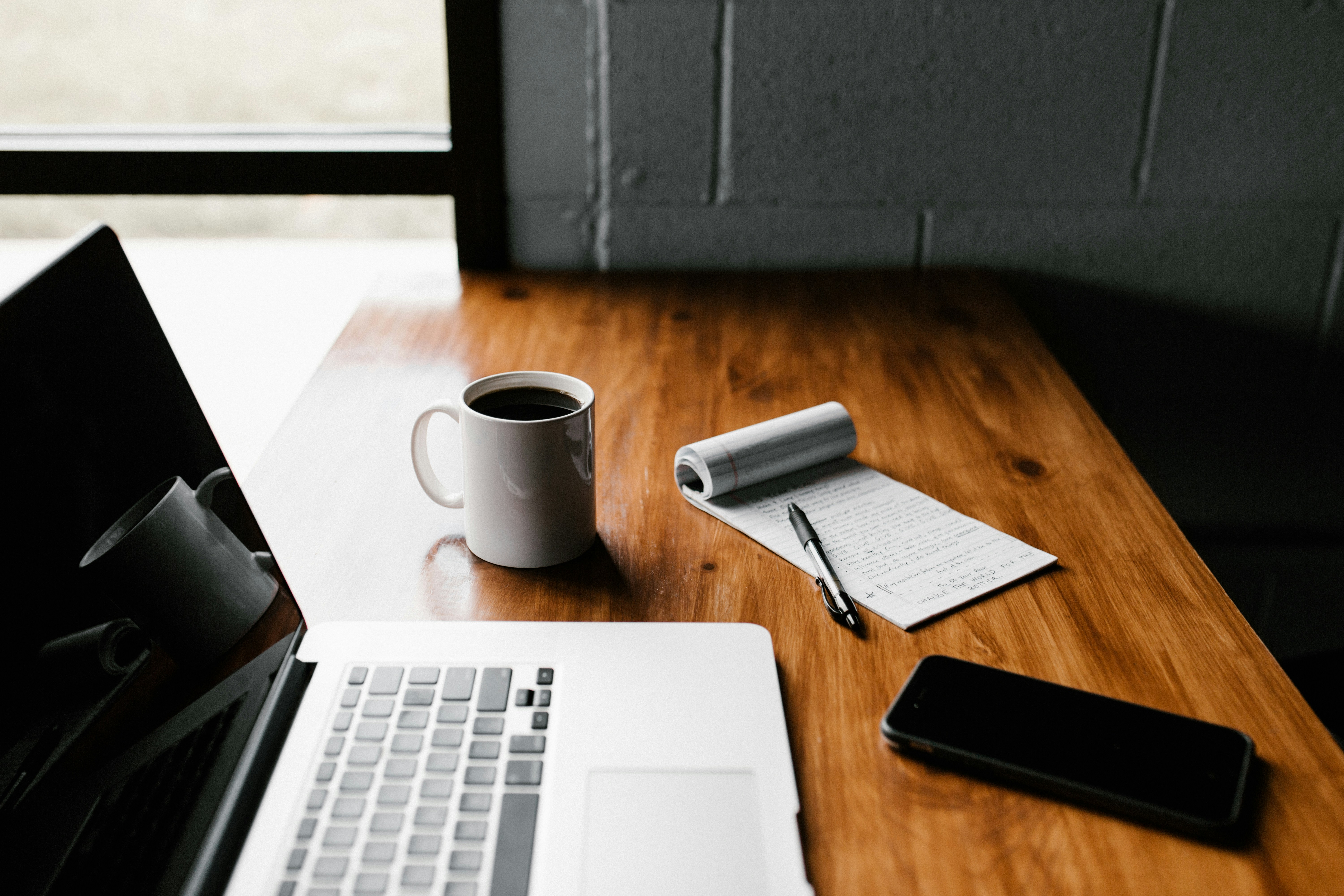
So grab your favorite mug (preferably one that doesn’t have a motivational quote on it), and let’s get real about why slow living isn’t just a trend — it’s a survival strategy.

The Great Unplugging: Why 2024 Is Different
Here’s what most people miss: every previous attempt at “digital detox” failed because we treated it like a crash diet. You can’t go from doom-scrolling for four hours to a silent meditation retreat in the woods and expect it to stick. It’s like trying to run a marathon after eating nothing but potato chips for a decade.
But 2024 feels different. Why? Because the pendulum has swung too far. We’ve seen the dark side of constant connectivity — the burnout, the anxiety, the dopamine addiction that makes us check our phones 96 times a day (yes, that’s the average). And honestly? We’re tired.
I’ve found that the people who actually succeed at slow living aren’t the ones who throw their phones in the ocean. They’re the ones who redefine what “enough” looks like. They cut notifications, not contact. They swap 30 minutes of scrolling for 30 minutes of doing absolutely nothing. And they do it without guilt.
Let’s be honest: the “hustle” influencers who tell you to wake up at 4 AM and crush your goals? They’re selling you a fantasy. Real productivity comes from rest, not exhaustion. In 2024, the ultimate flex isn’t a six-figure side hustle — it’s being able to sit in a park for an hour without touching your phone.
The Hidden Cost of Always Being “On”
I remember the exact moment I realized I had a problem. I was at a beautiful sunset in Bali — the kind that looks fake on postcards — and my first instinct was to pull out my phone to capture it for Instagram. Not to enjoy it. To document it. That’s when I knew something was broken.
The science backs this up. Multitasking is a myth. What we call multitasking is actually rapid task-switching, and it destroys our ability to focus. Every time you check your email while on a call? You’re literally draining your brain’s glucose reserves. You’re not being productive; you’re being inefficient.
Here’s a hard truth I’ve learned: slow living isn’t about doing less. It’s about doing what matters. When you unplug, you’re not losing anything valuable. You’re gaining the ability to actually taste your food, hear your own thoughts, and feel the texture of the world around you. That sounds cheesy, I know. But try it for one weekend, and you’ll understand.

7 Secrets to Making Slow Living Stick (Without Becoming a Hermit)
I’ve tried every productivity hack, app blocker, and “digital minimalism” trick in the book. Here’s what actually works — no fluff, no guilt trips:
- Set “distraction hours” instead of “focus hours” — Block 30 minutes in the morning and evening for email and social media. Outside those windows? You’re unreachable. I’ve found that 90% of messages aren’t urgent. The rest can wait.
- Use a physical alarm clock — I know, I know. But hear me out. When your phone isn’t your alarm, you don’t start your day with a dopamine hit from notifications. You start with silence. It changes everything.
- Practice “single-tasking” for one meal a day — No phone, no TV, no podcast. Just you and the food. The first time I did this, I realized I’d been eating my lunch in under four minutes for years. Now I actually taste the garlic.
- Create a “slow ritual” — For me, it’s making pour-over coffee in the morning. The whole process takes 10 minutes. I don’t rush. I don’t multitask. It’s my daily anchor.
- Say “no” more often — This is the hardest. Every time you say yes to something you don’t want, you’re saying no to yourself. Slow living requires boundaries.
- Replace “FOMO” with “JOMO” — The Joy Of Missing Out. Trust me, you’re not missing anything important. The FOMO is manufactured by algorithms designed to keep you hooked.
- Schedule “nothing” time — Put it in your calendar: “Do absolutely nothing from 3-4 PM.” No guilt. No agenda. Just exist. It feels weird at first, but it’s the most productive thing you can do for your mental health.
The Surprising Truth About Productivity and Slowing Down
Here’s the part that blew my mind: slowing down actually makes you more productive. Not in the “work harder” sense, but in the “work smarter” sense. When you’re not constantly interrupted, your brain can actually form deep connections. You get better ideas. You solve problems faster.
I’ve found that my best writing, my best conversations, and my best decisions all happen when I’m not trying to optimize everything. The pressure to be efficient is the enemy of creativity. You can’t rush a masterpiece, and you can’t rush a meaningful life.
Let’s be real: the reason most people resist slow living is fear. Fear of missing out. Fear of being bored. Fear of sitting with their own thoughts. But once you push past that initial discomfort, you discover something incredible: boredom is the gateway to imagination. Some of the best ideas in history came from people who were just staring at a wall.

Your Slow Living Challenge for 2024
I’m not going to tell you to delete all your apps, move to a cabin, and become a monk. That’s not realistic for 99% of us. But I am going to challenge you to try this: for one week, pick one of the 7 secrets above and commit to it. Just one.
Track how you feel. Notice the difference in your anxiety levels, your sleep quality, your ability to focus. I promise you’ll notice something shift.
Slow living isn’t a destination. It’s a practice. And in 2024, it might just be the most radical thing you can do. Because when you unplug from the noise, you finally hear what matters: your own voice.
So here’s my question to you: what’s one thing you’ll stop doing today, so you can start living tomorrow?
Drop your answer in the comments — or better yet, go sit in a park for 10 minutes and don’t think about it. That’s the point.