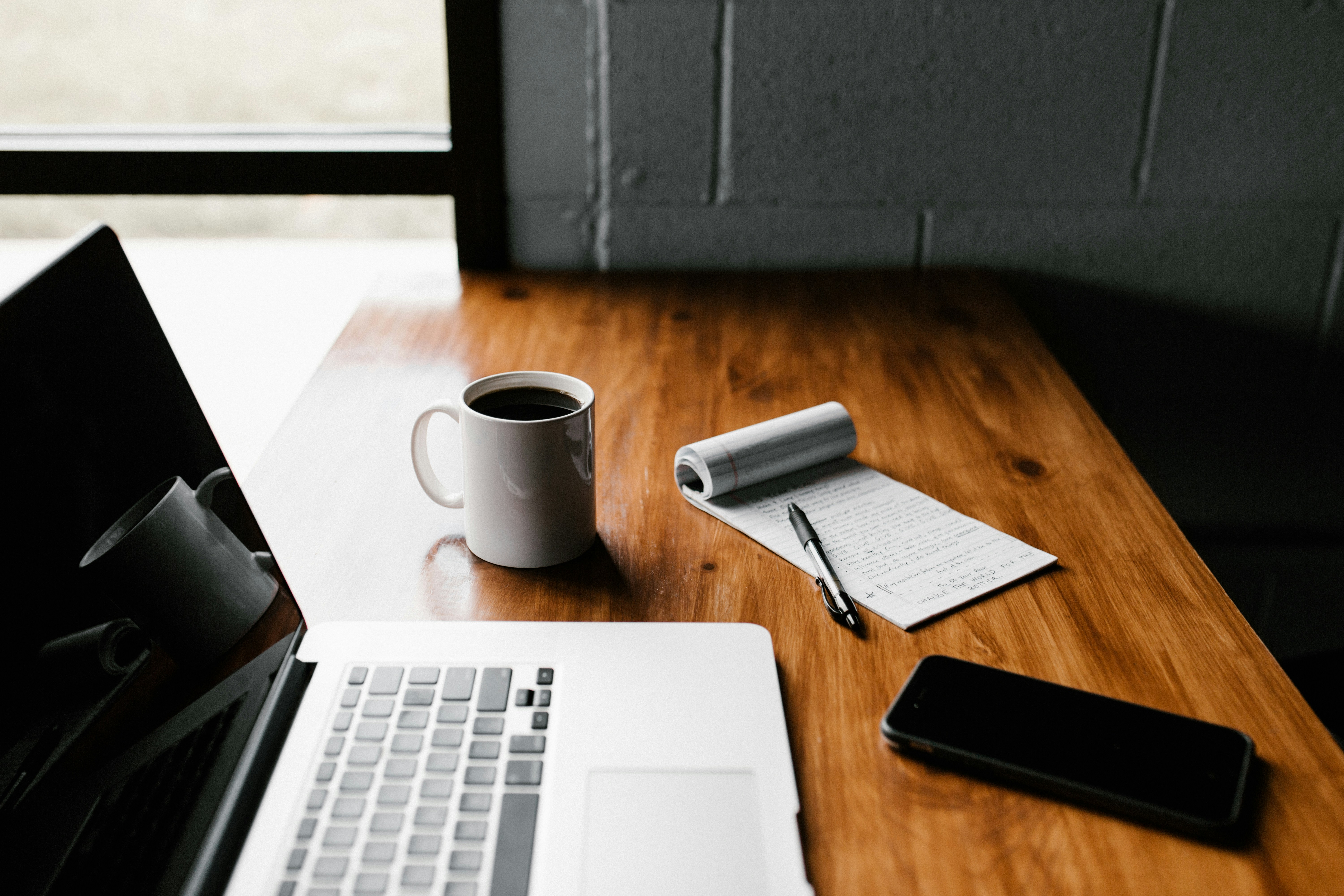
I was doom-scrolling at 2 AM, my thumb moving on autopilot while my brain turned to mush. The screen glow painted my face like a ghost, and I realized: I wasn't living my life — I was watching it disappear in 60-second increments. That's when I knew something had to change.
Let's be honest — our phones have become extensions of our hands. We check them before coffee, during conversations, and right before sleep. But here's the shocking truth I've discovered after experimenting with digital detox in 2025: unplugging doesn't mean disappearing. It means coming back to yourself.
Why Your Brain is Begging You to Disconnect
Remember when boredom was actually a thing? When waiting in line meant thinking, observing, or daydreaming? Now, every spare second gets filled with a screen. Your brain never gets a break.
I've found that constant connectivity creates a low-grade anxiety that we've normalized. It's the phantom vibration in your pocket. The urge to check notifications during movies. The reflexive refresh of feeds you've already seen.
Here's what most people miss: digital detox isn't about rejecting technology — it's about rejecting the addiction to dopamine hits. Your brain's reward system wasn't designed for infinite scrolling. It was designed for finishing tasks, connecting meaningfully, and resting.

The 7-3-1 Method That Changed Everything
After failing at multiple "I'll just stop using my phone" attempts, I developed a system that actually works. I call it the 7-3-1 Method, and it's stupidly simple.
Here's how it works:
- 7 hours before bed: No screens. Yes, you read that right. I start winding down seven hours before sleep — no TV, no phone, no laptop. Just books, conversations, and staring at walls like a normal human.
- 3 hours after waking: No digital input. Let your brain wake up naturally. No news, no emails, no social media. Just breakfast, movement, and quiet.
- 1 full day per week: Tech-free Sunday. Or Monday. Whatever works.
What Happens When You Actually Reclaim Your Time
This is where it gets interesting. Most people think digital detox is about productivity — getting more done. But the real payoff? It's about reclaiming your ability to be present.
I've found that after three months of consistent digital boundaries, I experienced:
- Better sleep — no more blue light disrupting melatonin production
- Deeper relationships — actual eye contact instead of "one sec, let me just check this"
- More creativity — my best ideas come during walks without podcasts
- Less anxiety — the world didn't end because I missed a tweet

The Hidden Trap Most Digital Detox Advice Misses
Everyone talks about deleting apps and setting screen time limits. But here's what nobody tells you: the real addiction isn't the apps — it's the fear of missing out.
I tried going cold turkey. Deleted social media. Installed blockers. Turned off notifications. And I still found myself picking up my phone, unlocking it, staring at the home screen, and putting it down. Over and over.
The fix isn't technical — it's psychological. You need to ask yourself: What am I actually afraid of missing?
For me, it was connection. I thought scrolling was connecting. But it was just consuming. Real connection requires presence, not likes.
How to Start Your Digital Detox Without Hating Your Life
Let's be real — you're not going to throw your phone in a river. And you shouldn't. Technology is a tool, not a master. Here's how to start without the pain:
Start small: Pick one hour per day. No screens. That's it. Do it for a week.
Create friction: Move social media apps to the last page of your phone. Make them harder to access. Turn off all notifications except calls and messages from actual humans.
Replace, don't just remove: When you take away scrolling, add something back. Read a physical book. Take a walk without earbuds. Cook something from scratch. Nature is the ultimate dopamine detox.
Use the 20-minute rule: When you feel the urge to check your phone, wait 20 minutes. Usually, the urge passes. If not, do it intentionally — not reflexively.
The Surprising Gift of Boredom
This is the part that blew my mind. In a world of constant stimulation, boredom has become a luxury. But boredom is where creativity lives. It's where you process your day, form new ideas, and actually feel your feelings.
I've started carrying a small notebook everywhere. When I'd normally reach for my phone, I write instead. Random thoughts. Observations. Half-baked ideas. It's become my favorite habit.

Your Digital Detox, Your Rules
Here's the thing: there's no one-size-fits-all approach. What works for me might not work for you. Maybe you need two tech-free evenings. Maybe you thrive with app blockers. Maybe you're fine with just turning off notifications.
The goal isn't perfection. It's intention.
I still use social media. I still binge Netflix. But now, it's a choice, not a compulsion. I've stopped apologizing for not replying immediately. I've started leaving my phone in another room during meals. I've rediscovered what it feels like to be bored — and it's glorious.
Your time is your most non-renewable resource. Every scroll is a moment you'll never get back. Every notification is a distraction from something that might actually matter.
So here's my challenge to you: try the 7-3-1 Method for one week. See what happens. Notice how you feel. Pay attention to what you gain, not what you lose.
And when you inevitably slip up — because you will — don't beat yourself up. Just notice it. Reset. And try again.
The art of digital detox isn't about rejecting technology. It's about remembering that you are the artist of your own attention. Paint something worth looking at.