
Picture this: It’s late on a Tuesday. You’re staring at a blank document, the cursor blinking with a mocking rhythm. You need a stunning concept image for a client presentation by morning, but your brain feels like static. A few years ago, you’d be facing an all-nighter or a frantic call to a freelancer. Today? You open a new tab, type a few descriptive sentences into an AI image generator, and within seconds, a dozen unique, breathtaking visuals appear. You tweak a prompt, refine a detail, and suddenly, the perfect image is there. The deadline pressure evaporates. That’s not science fiction. That’s a Tuesday in 2024.
This is the lived reality of the AI revolution, and it’s not coming—it’s here. We’ve moved past the novelty phase of weird, distorted AI hands. Generative models have matured from parlor tricks into professional power tools, fundamentally reshaping the creative industries. And let’s be honest, it’s equal parts exhilarating and terrifying. But after spending months immersed in these tools, from Midjourney and Stable Diffusion to ChatGPT and Sora, I’ve found that the narrative of “AI vs. Human” is missing the point. The real story is about augmentation, acceleration, and the democratization of creativity.
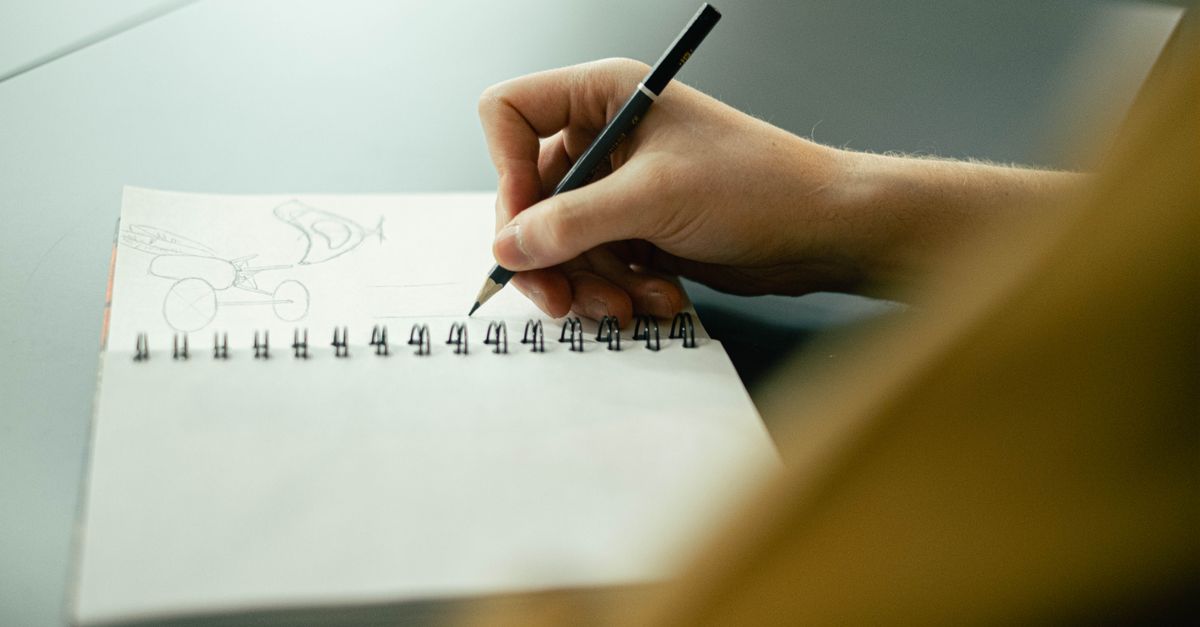
From Blank Canvas to Brainstorming Partner
The most profound shift isn’t in the final product; it’s at the very beginning. The biggest creative hurdle has always been the void of the empty page. Generative AI acts as the ultimate brainstorming partner. Stuck on a logo idea? You can generate 200 variations in the time it takes to brew a coffee. Need a script outline, a melody progression, or a character backstory? The AI doesn’t judge your bad ideas; it just gives you more to work with.
Here’s what most people miss: The skill is no longer just in execution, but in creative direction and curation. The magic happens in the dialogue between human and machine. It’s about crafting the perfect prompt—the “creative brief” for the AI—and then having the taste to select the one raw gem from a pile of rocks and polish it into a diamond. The artist’s eye is more crucial than ever.
The New Creative Workflow: A Symphony of Iteration
So, what does a modern creative workflow look like in 2024? It’s a non-linear, iterative symphony. It breaks down the old, rigid pipelines.
- The Generative Spark: It starts with a human idea, translated into a prompt. "A melancholic robot tending to a neon garden in a derelict cyberpunk city, cinematic lighting."
- Rapid Prototyping: Dozens of concepts are generated in minutes, not days.
- Human Refinement: The creator chooses a direction, then uses inpainting, outpainting, or prompt tweaks to refine. "Make the robot more weathered, add a single glowing blue flower."
- The Final Touch: The AI output is brought into traditional tools (Photoshop, DaVinci Resolve, Pro Tools) for the final, unmistakably human layer of emotion, imperfection, and soul.
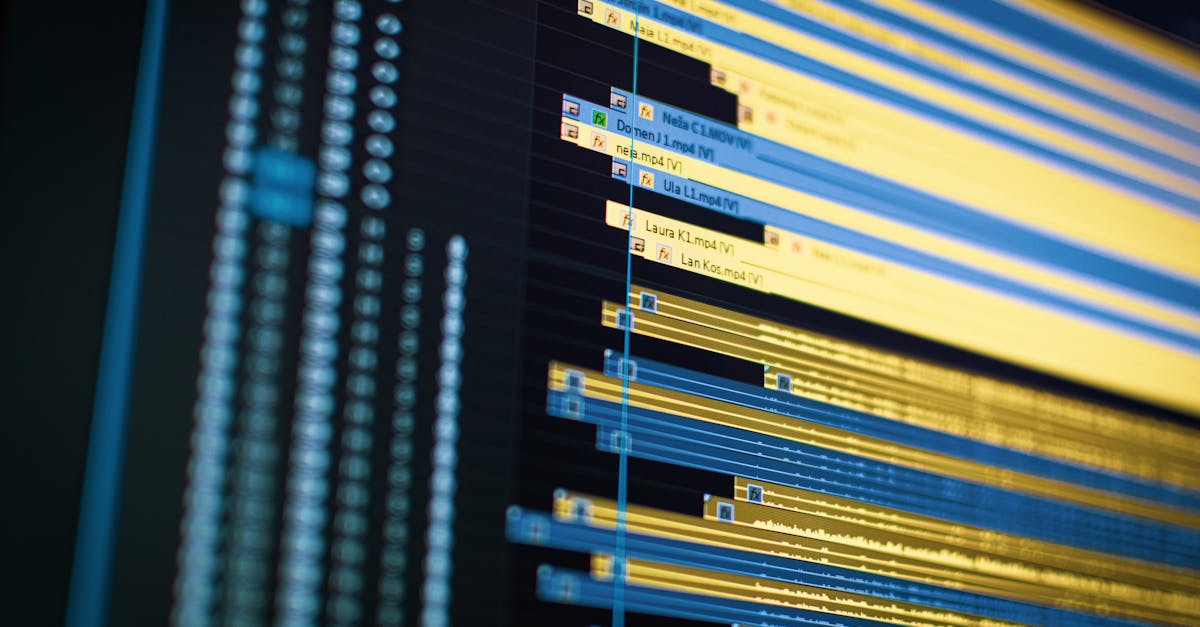
The Sound of AI: Music and Audio Breaking the Mold
It’s not just visual. Open AI’s Jukebox (and a growing number of specialized tools) is changing the audio landscape. Imagine generating a custom, royalty-free soundtrack that matches the exact mood and length of your video. Or an indie game developer scoring their entire game with dynamic, adaptive music. Composers are using AI to overcome writer’s block, generating melodic ideas or unusual harmonies they might never have considered.
The ethical questions are loud here—voice cloning for music is a legal and artistic minefield. But the potential for personalized audio, rapid prototyping, and breaking creative barriers is undeniable. The tool doesn’t write the symphony; it suggests a chord progression that sparks the composer’s masterpiece.
The Written Word Reimagined
As a writer, this hits close to home. I was skeptical. Could a language model ever capture voice? The answer is complex. AI won’t write this blog with my specific anecdotes and quirks (not yet, anyway). But it’s an incredible collaborator. It’s my research assistant, my editor for tightening paragraphs, and my idea generator for headlines. It can draft a first pass of a product description, a social media post, or a newsletter outline in seconds, freeing me to focus on the parts that require a human heart: the story, the emotion, the connection.
The content creation industry is being reshaped from the ground up. The focus is shifting from volume to value—from churning out generic text to strategizing and infusing unique perspective into AI-assisted drafts.
Navigating the Ethical Maze: The Human in the Loop
We can’t talk about this revolution without facing the hard questions. Copyright, originality, job displacement, and deepfakes are serious concerns. The key, I believe, is insisting on the human in the loop. AI is a brush, a chisel, a instrument. It requires a guiding hand.
The future belongs not to those who fear the tool, but to those who master the partnership. It will reward: The Curator with impeccable taste. The Prompt Engineer who speaks the AI’s language with poetry and precision. The Editor who can weave AI outputs into a coherent, emotional whole. The Ethicist who establishes the guardrails for this new frontier.

The Democratization of a Thousand Voices
Perhaps the most inspiring outcome is the democratization. A small business owner can now have a brand identity that rivals a corporation’s. A filmmaker with a micro-budget can visualize scenes that were once impossible. A young musician in their bedroom can experiment with a full orchestra. The barriers to entry, long held in place by cost, access to tools, and technical skill, are crumbling.
This isn’t about replacing human creativity. It’s about amplifying it. It’s about giving more people the chance to tell their stories, build their worlds, and share their visions. The AI revolution in creative industries is ultimately a story of expanded possibility. The blank page is still daunting, but now, it’s a conversation. And that conversation is just getting started.
So, what will you create when your only limit is your imagination, not your manual skill? The tools are waiting. The next prompt is yours to write.




