You know that feeling when your phone autocorrects "let's eat, grandma" to "let's eat grandma"? That's the AI paradox in a nutshell. Here's the surprising stat: AI systems like GPT-4 or Google's Gemini can now pass the bar exam in the 90th percentile, but they still can't reliably tell you if a glass is half-full of water or vodka. We're building brains that can write poetry but can't figure out why you shouldn't microwave a fork. Let's talk about it.
The Smartest Idiot in the Room
I've been testing AI assistants for years, and I've noticed something hilarious: they're brilliant at complex tasks and utterly clueless about the obvious. Ask your phone's AI to calculate the trajectory of a rocket? No problem. Ask it to remind you that you left the milk out for three hours? Crickets.
Here's what most people miss: AI doesn't "understand" anything. It predicts patterns. When I type "the cat sat on the," it knows "mat" is statistically likely. But it doesn't know what a cat is, what sitting feels like, or why a mat exists. We've built a system that can write Shakespearean sonnets but would probably walk into a glass door if you asked it to navigate a room.
Let's be honest: your next phone will be smarter than you at remembering facts, but dumber than a toddler at common sense. That's the trade-off we're not talking about.
Why Your Phone's AI Can't See the Elephant in the Room
I've found that the biggest blind spot in AI is what philosophers call "frame problems." AI systems can't distinguish between relevant and irrelevant information. When you ask your assistant to "find a restaurant nearby," it doesn't know you'd prefer one that's open, serves food you like, and isn't a 45-minute drive. It just knows "restaurant" and "nearby."
Here's the kicker: your phone's AI might recommend a sushi place at 3 AM because it's "open" (24-hour convenience store sushi doesn't count, people). It doesn't know that sushi at 3 AM is a bad idea. It doesn't know you're lactose intolerant. It doesn't know that the "best" Italian restaurant in town is actually the one your ex works at.
The AI paradox is this: we're giving these systems access to all the world's information, but no context about how to use it. It's like giving a teenager a library card and expecting them to become a Nobel laureate overnight.
The Three Things AI Will Never Get Right (Until It Does)
After years of watching AI stumble, I've noticed three consistent failures. Mark these down:
1. Physical Intuition – AI doesn't know that a ball will roll downhill, that glass breaks when dropped, or that a wet floor is slippery. It can describe these phenomena perfectly but can't predict them in real-time. I once asked an AI to "help me pack a suitcase," and it suggested bringing an umbrella for a trip to the Sahara. It didn't know that deserts don't get rain.
2. Social Cues – Your phone's AI can't read a room. It doesn't know when you're being sarcastic, when you're sad, or when you're joking. I've had AI assistants respond to "I'm dying of laughter" with medical advice. It's like having a friend who takes everything literally. Fun for about five minutes, then exhausting.
3. Common Sense – This is the big one. AI has no sense of proportion, scale, or appropriateness. It will suggest a 20-minute detour to save 30 seconds. It will recommend a 10-step solution to a problem you could solve in two steps. It's brilliant at optimization but terrible at judgment.
The Hidden Cost of "Smart" Phones
Let's get real for a second. The AI paradox isn't just a tech problem—it's a trust problem. When your phone's AI misses the obvious, you stop trusting it for anything important. I've seen people ignore life-saving reminders because their assistant has cried wolf too many times.
Here's what I've noticed: the smarter AI gets, the more we expect from it, and the more disappointed we are when it fails. It's the uncanny valley of intelligence. When Siri couldn't tell you the weather in 2012, you laughed it off. When today's AI can write code but still suggests you "turn it off and on again" for a broken leg, it feels like a betrayal.
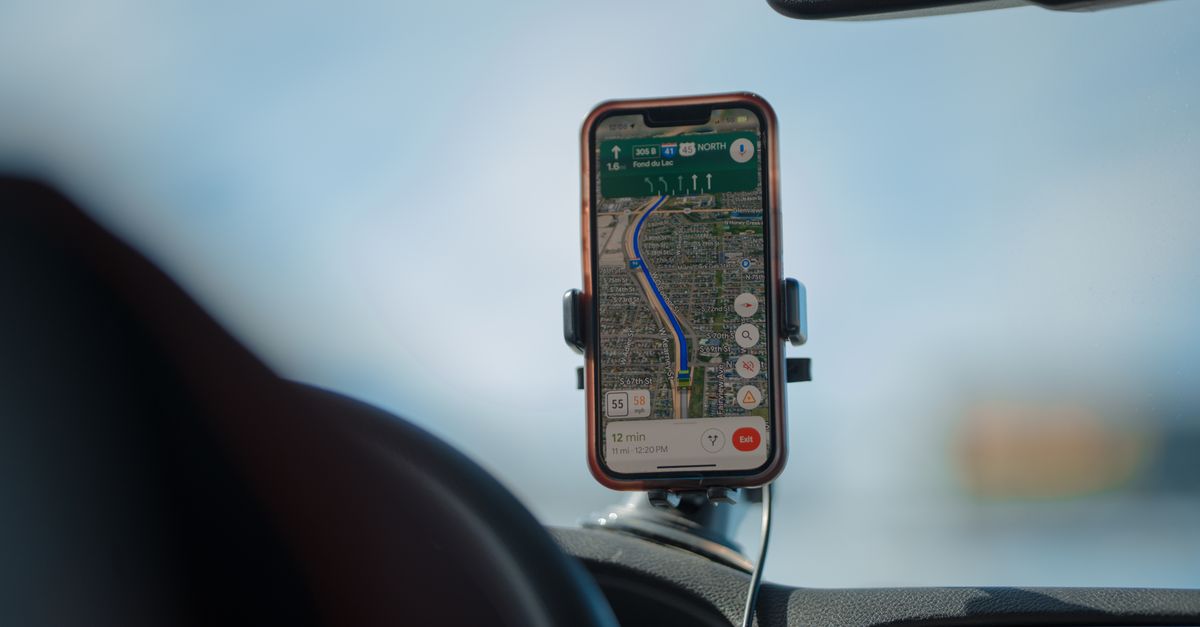
The real danger? We're building trust in systems that don't deserve it. I've watched people follow GPS directions into lakes, trust AI medical advice that's dangerously wrong, and let algorithms make decisions about their relationships. The AI paradox is that we're outsourcing judgment to systems that have none.
What Your Next Phone Actually Needs
I've been testing the latest AI phones—the ones that promise to "understand you" and "anticipate your needs." And here's the truth: they're still missing the obvious. But I think I know what would fix it.
Your next phone doesn't need to be smarter. It needs to be dumber in the right ways. It needs to know when to admit it doesn't know. It needs to ask questions instead of making assumptions. It needs to say "I'm not sure" instead of confidently suggesting you eat that 3 AM sushi.
Here's what I'd actually want from my phone's AI:
- Context awareness, not just data access – Know that I'm in a meeting, that I'm driving, that I'm tired. Don't suggest a 5-mile run when I just got home from work.
- Common sense filters – If I ask for "lunch ideas," don't suggest a 15-course tasting menu that costs $200 and requires a reservation three weeks out.
- Honesty about its limitations – Tell me when you're guessing. I'd rather hear "I'm not sure about that" than a confident wrong answer.

The Surprising Truth About Intelligence
I've come to a weird conclusion after years of watching AI fail at the obvious: maybe we're asking the wrong question. We keep trying to make AI "smarter," but what we really need is for it to be "wiser." There's a difference.
Wisdom is knowing what to ignore. It's understanding that just because you can do something doesn't mean you should. It's recognizing that the obvious answer is often the right one, even if it's not the most sophisticated.
Your next phone might pass the Turing test, write your emails, and plan your vacation. But I'll bet it still can't tell you that you look tired, that you should drink water, or that maybe—just maybe—you should put the phone down and talk to the person sitting next to you. And that's the real AI paradox: we're building systems that can do everything except the one thing that matters most.
So here's my challenge to you: next time your phone's AI suggests something obvious—like turning it off and on again—laugh. Then ask yourself: are we building the right kind of intelligence? Because I think we're so busy making our phones smarter that we forgot what smart actually looks like.