Let's be brutally honest: the 2025 superfoods list is mostly nonsense designed to sell you $14 bottles of green powder.
I said it.
Every January, the wellness industrial complex rolls out a fresh crop of "miracles" — usually something exotic, expensive, and flown halfway around the world so you can feel virtuous while your bank account quietly weeps. Blue spirulina! Moon dust collagen! Mushroom coffee that tastes like a wet basement!
Here's the thing most people miss: the nutritionists I've spoken to aren't eating any of that. When I asked registered dietitians and nutrition scientists what's actually on their plates right now, the answers were almost aggressively boring. No superfoods with trademarked names. No powders. Nobody was Instagramming their breakfast.
They were eating beans. Lots and lots of beans. And honestly? That's the most interesting nutrition story of 2025.

The "Superfood" Label Is a Marketing Term, Not a Science Term
Quick reality check: "superfood" has no legal or scientific definition. It's a marketing word, full stop. The EU actually banned the term on packaging unless it comes with a specific authorized health claim. The US just sort of lets it fly.
So when I say "2025 superfoods list," I mean the foods that nutrition professionals are quietly betting on — the ones showing up in real research, real clinics, and real lunchboxes. The ones with evidence behind them rather than a PR budget.
I've found that the gap between what dietitians eat and what influencers peddle is enormous. And the gap tells you everything about how nutrition marketing works: the louder the health claim, the weaker the study behind it. The foods that actually move the needle rarely need a launch campaign.
Let's get into what's genuinely earning its spot.
Beans and Pulses: The Unsexy Superfood Winning 2025
If 2024 was the year of cottage cheese, 2025 belongs to the humble bean.
Every single nutritionist I talked to mentioned legumes — lentils, chickpeas, black beans, edamame. And the research backs them up hard. A major review published in Nutrients found that regular pulse consumption is linked to better blood sugar control, lower LDL cholesterol, and improved satiety. Beans are one of the few foods that deliver fiber, protein, and resistant starch in a single cheap package.
"People want a hack," one dietitian told me, laughing. "The hack is canned chickpeas."
Here's what's changed: the 2025 Dietary Guidelines conversation has shifted decisively toward plant-forward protein, and beans are the cheapest, most versatile entry point. They're also having a genuine cultural moment — bean-focused cookbooks, bean TikTok, even bean-themed supper clubs in London and Brooklyn. It's a little ridiculous, and also kind of great.
My personal take? A can of black beans costs about a dollar and does more for your gut microbiome than most supplements on the shelf. That's not a hot take. That's just math.
Fermented Foods Are Having a Moment (Again, but Smarter)
Kombucha and kimchi aren't new. What is new is how seriously researchers are taking the gut-brain axis and fermented foods specifically.
Stanford researchers found that a ten-week diet high in fermented foods — yogurt, kefir, kimchi, sauerkraut — increased microbiome diversity and decreased inflammatory markers. Nutritionists are now recommending fermented foods with the same casual confidence they used to reserve for "eat more vegetables."
The smartest approach I've seen: treat fermented foods like a daily habit, not a supplement. A spoonful of sauerkraut on eggs. A splash of kefir in a smoothie. Miso stirred into soup. Small, consistent, cheap.
Here's what most people miss: you don't need a $9 kombucha. A jar of refrigerated sauerkraut from the grocery store does the job for a fraction of the price. The fancy stuff is nice. The boring stuff works.
Seeds, Sardines, and Other Things Nobody Posts About
Two more categories kept coming up, and neither will trend on Instagram anytime soon.
Seeds. Hemp, chia, flax, pumpkin — nutritionists love them because they're nutrient-dense and absurdly versatile. Ground flaxseed in oatmeal is basically a free fiber and omega-3 upgrade. Hemp hearts add protein to almost anything. Nobody's building a brand around flaxseed, which is exactly why it stays cheap and effective.
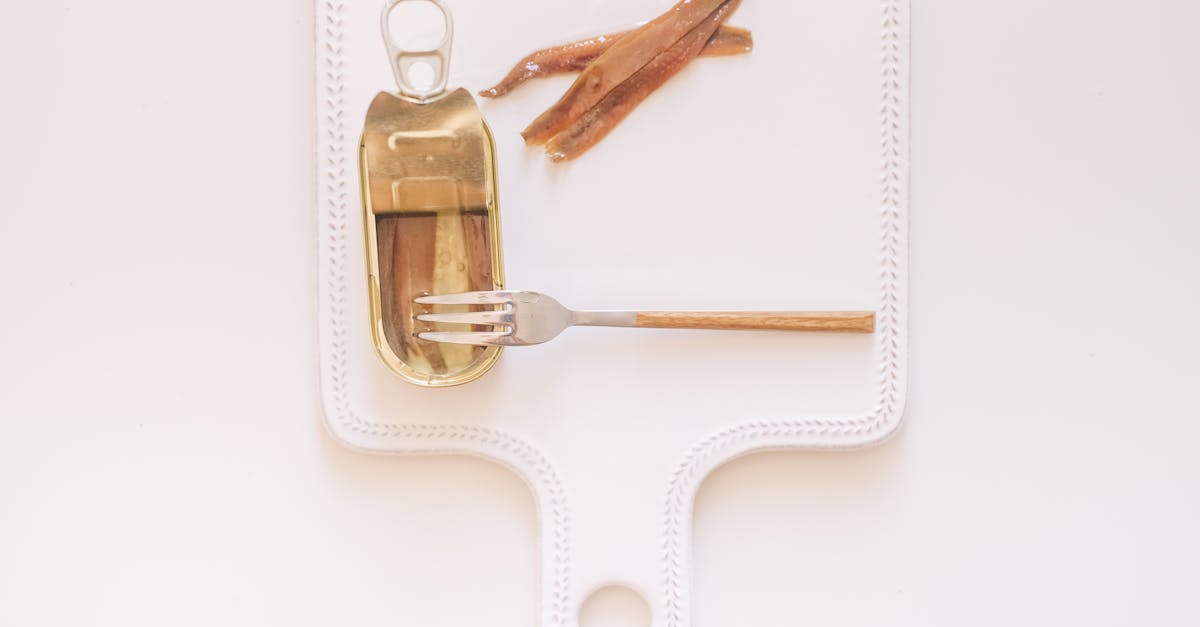
Small oily fish. Sardines, mackerel, anchovies. This one surprised me, but multiple nutritionists said tinned fish is their go-to lunch protein. It's one of the best dietary sources of omega-3s and vitamin D, it's sustainable, and a tin costs less than a latte.
"I eat sardines on toast probably three times a week," one dietitian admitted. "People think it's gross until they try it."
That's the theme of the whole list, isn't it? The 2025 superfoods list isn't a list of exotic discoveries. It's a list of things we've always known were good for us, finally getting their due. Beans. Fermented cabbage. Seeds. Little fish. The stuff your grandmother ate.
The Supplement Aisle Is Losing the Argument
Let me be blunt about where this is heading: the evidence for whole foods keeps getting stronger, and the evidence for most supplements keeps getting weaker.
Multivitamins have shown minimal benefit in large trials. Collagen marketing outpaces its science by a decade. And the "greens powder" industry is essentially selling you dried spinach at a 400% markup.
Meanwhile, the foods nutritionists actually eat — beans, fermented foods, seeds, oily fish, plus the obvious stuff like leafy greens, berries, and olive oil — have decades of research behind them and cost a fraction as much.
I'm not anti-supplement. There are real cases for specific ones (vitamin D in winter, B12 for vegans, iron for some people). But the default shouldn't be a shelf of bottles. It should be a stocked pantry.
Your Move: The Anti-Superfood Challenge
So here's my challenge to you, and to myself: for the next two weeks, buy one thing from this list you don't normally eat. A can of sardines. A bag of lentils. A jar of kimchi. Skip the $14 powder and spend that money on actual food.
The 2025 superfoods list isn't glamorous. It won't photograph well. But it's what the people who study this stuff for a living are actually eating — and that's the most honest endorsement you're going to get.
What's the weirdest "superfood" you've ever bought and regretted? Tell me in the comments. I'll go first: a bag of activated charcoal that I'm pretty sure was just expensive disappointment.