
Let me tell you something that might surprise you: the most interesting tech story this winter isn't a new iPhone or another AI chatbot. It's happening in clinics, labs, and wastewater treatment plants across the country — and it's reshaping how we track the 2025 flu season in real time.
I've been glued to the surveillance dashboards for weeks now, and what I'm seeing is genuinely different from anything we've watched before. This isn't just "flu season is here, get your shot." The data itself is telling a new kind of story — one powered by the same technology trends we talk about in every other corner of our lives.
The Dashboard Doesn't Look Like It Used To
Here's what most people miss: flu surveillance used to be a lagging indicator. By the time hospitals reported a spike, the wave was already crashing over us. That's changing fast.
This year, wastewater-based epidemiology has gone mainstream. Cities are sampling sewage and detecting influenza concentrations days before clinical cases show up in hospitals. Think of it as an early-warning radar system for viruses. I've found that when you watch these dashboards, you can actually see the curve bending before your neighbor even starts sneezing.
And the 2025 flu season data is showing something unexpected: the early signals suggest a steeper, earlier ramp-up in several regions than the past two seasons. Not a reason to panic — but definitely a reason to pay attention.

AI Is Reading the Flu's Tea Leaves
Let's be honest — epidemiologists have been drowning in data for years. The difference now is that machine learning models are actually making sense of it.
Researchers are feeding AI forecasting models with everything from search engine queries to pharmacy sales to school absenteeism reports. The models don't just predict how many people will get sick — they're getting better at predicting where and when the wave will hit next.
What excites me most? These aren't black boxes anymore. Public health teams can see why a model flagged a particular county, which builds trust. I've found that transparency is the secret ingredient in getting people to actually act on the data instead of rolling their eyes at it.
The 2025 flu season is shaping up to be a real-world stress test for these systems. So far, they're holding up better than I expected.
Your Smartwatch Might Know You're Sick Before You Do
This is the part that feels like science fiction until you remember it's already happening.
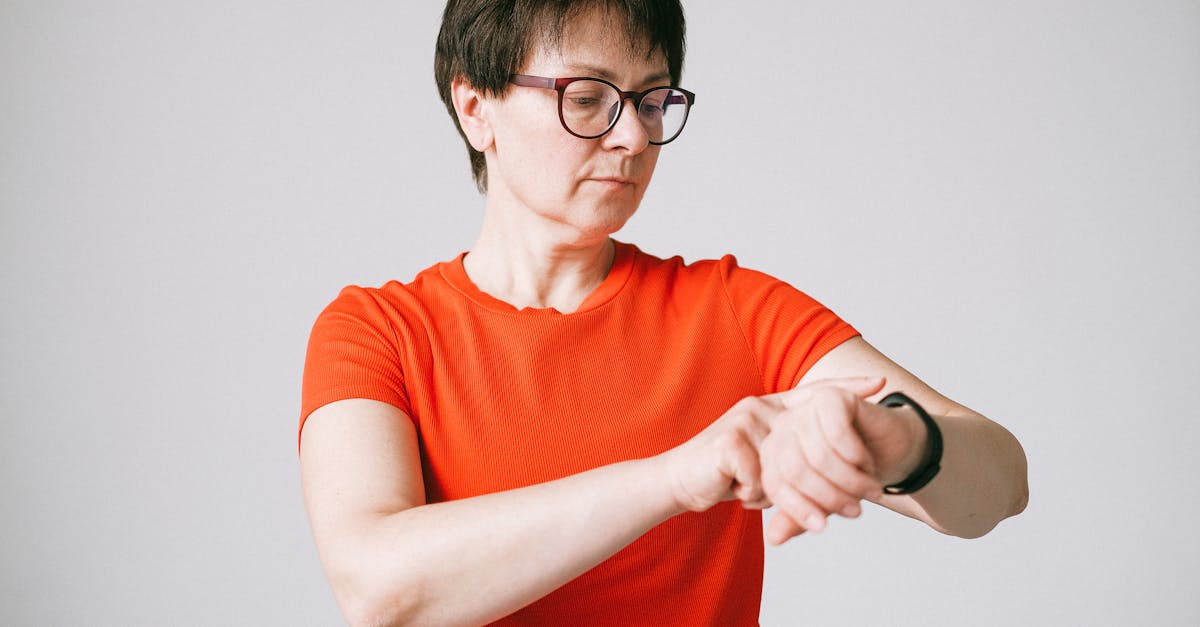
Wearable health tech — smartwatches, fitness rings, even some earbuds — is quietly collecting resting heart rate, skin temperature, and sleep patterns. When those signals deviate from your personal baseline, algorithms can flag a possible infection before symptoms appear.
I've found that people who wear these devices during flu season often report the "your body may be fighting something" notification a day or two before the fever hits. That's not just cool — that's a window to isolate, rest, and avoid spreading the virus to your coworkers.
Here's what most people miss, though: this only works if you've been wearing the device consistently. The value is in the baseline, not the single reading. So if you're a "wear it for a week and forget it" person, the flu-detection magic won't show up for you.
Three Tech Trends Driving the 2025 Flu Season Story
Let me break down what's actually converging here, because it's easy to get lost in the headlines:
- Real-time genomic sequencing — labs are now identifying flu strains in days instead of weeks, which means vaccine matching and treatment decisions happen faster.
- At-home rapid testing 2.0 — next-gen tests linked to apps are reporting results (anonymously) to public health systems, creating a crowdsourced map of illness.
- Predictive pharmacy analytics — supply chains are using flu forecasts to pre-position antivirals and stock shelves before demand spikes.
What This Means for You (Yes, You)
Okay, inspiring tech talk aside — what do you actually do with this?
First, stop treating flu season like a fixed calendar event. The data shows it's becoming more variable and less predictable — earlier in some places, later in others. Watch your local dashboards. They're public, they're free, and they're more useful than the vague "flu is going around" chatter.
Second, let your devices work for you. If your wearable nudges you about an unusual resting heart rate, take it seriously. Sleep in. Skip the gym. That's not laziness — that's data-driven self-care.
Third, get your vaccine. I know, I know — this is the part where people tune out. But here's the truth: the technology I'm describing doesn't replace prevention. It amplifies it. All the surveillance and AI in the world can't protect you if you ignore the basics.

The Bigger Picture Nobody's Talking About
Here's my honest take: the 2025 flu season isn't just a health story. It's a preview of how technology is transforming public health from a reactive system into a proactive one.
We're moving from "wait and see" to "watch and predict." From treating illness to catching it early. From gut feelings to real-time data.
And yeah, there are privacy questions. There are equity questions (not everyone has a smartwatch or reliable internet). There are trust questions. But the direction is clear, and I, for one, find it genuinely hopeful.
The flu isn't going anywhere. But our ability to see it coming? That's changing fast — and that's a story worth paying attention to this winter.
So here's my challenge to you: check your local wastewater dashboard this week. See what the data says about your community. You might be surprised by what you learn — and you'll be more prepared than 90% of the people around you.
The future of public health is already here. It just took a flu season to make us notice.