
It turns out that the single biggest predictor of how long you'll live isn't your cholesterol, your blood pressure, or even your genes. It's how fast you walk up a flight of stairs.
I'm not kidding. Researchers call it " gait speed," and it's become one of the most reliable longevity markers we have. A 2022 meta-analysis found that slow walkers had a 22% higher risk of dying from any cause compared to their speedier peers. And here's the part that keeps me up at night: most of us start slowing down in our 30s without even noticing.
I've spent the last year digging into the actual science of longevity — not the biohacking podcasts, not the $300 supplement stacks, but the peer-reviewed stuff. What I found genuinely surprised me. The habits that add years to your life are mostly boring, free, and a little uncomfortable. Which is exactly why most people ignore them.
So let's fix that.

The Habit That Sounds Like a Pun (But Adds Real Years)
Zone 2 cardio. It sounds like a fitness influencer invented it, but it's actually the training intensity elite endurance athletes have used for decades — and it's now the darling of the longevity crowd for good reason.
Here's the gist: you exercise at a pace where you can still hold a conversation, but it's slightly annoying to do so. Think brisk walk uphill, easy jog, or a slow bike ride. Your heart rate sits around 60-70% of your max.
Why does this matter for longevity? Because Zone 2 training builds mitochondrial density — the cellular power plants that determine how efficiently your body produces energy. More mitochondria means better metabolic health, lower risk of type 2 diabetes, and slower aging at the cellular level.
I've found that most people either go way too hard (HIIT every day) or way too easy (a leisurely stroll). The sweet spot is 3-4 sessions a week, 45 minutes each. That's it. That's the secret.
Eat Like Your Grandmother, Not Your Guru
Let's be honest — the nutrition world is a circus. One week eggs will kill you, the next week they'll save you. But the longevity research is remarkably consistent, and it points somewhere deeply unsexy.
The Blue Zones — those five regions where people routinely live past 100 — share a few eating patterns that aren't revolutionary at all:
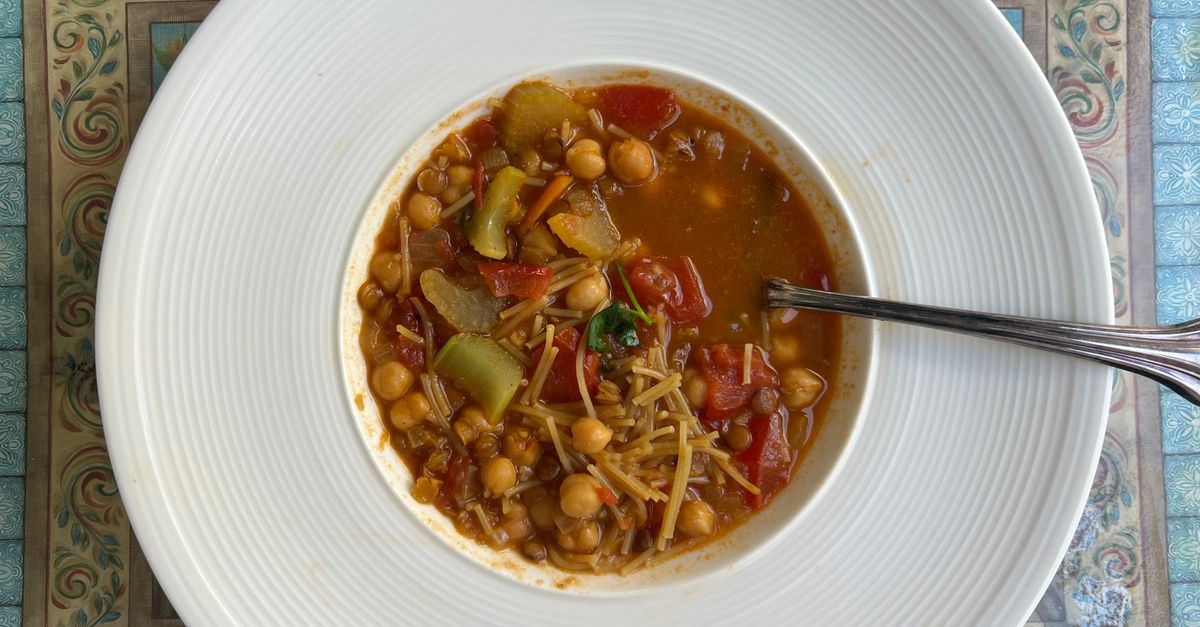
- Beans and legumes are the protein backbone, not steak
- Meals are mostly plant-based, with meat as a garnish, not the main event
- People eat until they're 80% full (the Okinawan principle of hara hachi bu)
- Alcohol is minimal — and no, that glass of red wine isn't the miracle we were promised
Here's what most people miss: longevity eating isn't about restriction. It's about crowding out the junk with foods that actually do something for your cells.
The Sleep Habit You're Probably Getting Wrong
Everyone knows sleep matters. But the longevity angle most people ignore isn't duration — it's consistency.
A 2024 study published in Sleep found that people with irregular sleep schedules — varying bedtime by more than an hour night to night — had a significantly higher risk of cardiovascular events than those with steady routines. Even if they slept the same total number of hours.
Your body loves rhythm. Your circadian system runs on predictability, and when you throw it off, inflammation creeps in, cortisol spikes, and your metabolism gets confused.
My fix has been embarrassingly simple: I set a "get ready for bed" alarm on my phone, 45 minutes before my target sleep time. Sounds ridiculous. Works shockingly well.
Aim for 7-9 hours, same window every night. Your mitochondria will thank you.
Strength Training: The Anti-Aging Drug Nobody Wants to Take
If Zone 2 is the longevity darling, resistance training is the longevity powerhouse. And it's the one people skip.
Here's the uncomfortable truth: after age 30, you lose roughly 3-8% of your muscle mass per decade unless you actively fight it. That's called sarcopenia, and it's linked to falls, fractures, frailty, and — you guessed it — earlier death.
But muscle isn't just about looking good at the beach. It's a metabolic organ. More muscle means better blood sugar control, stronger bones, and a body that handles stress more gracefully.
You don't need to become a gym rat. Two sessions a week, focusing on compound movements — squats, deadlifts, push-ups, rows — is enough to move the needle. I've found that even 20 minutes of bodyweight work beats a perfect plan you never start.
The science here is so strong that some researchers now call muscle mass "the new vital sign." Not a bad thing to have on your side.

The Social Habit That's Basically a Vaccine
This one gets dismissed as "soft science," but the data is brutal. Chronic loneliness carries a mortality risk comparable to smoking 15 cigarettes a day.
Read that again.
Blue Zone researchers consistently find that social connection is one of the strongest predictors of longevity. Not just having friends — but having people who show up. The kind you can call at 2 AM.
I've found that modern life quietly erodes this. We're more "connected" than ever and lonelier than ever. So here's the unglamorous prescription: schedule your friendships like you schedule workouts. Recurring walks, monthly dinners, a standing phone call. Sounds clinical. Feels like lifeline.
The Habit That Costs Nothing and Changes Everything
If I had to pick one habit from this entire list, it would be this: walk more, and walk faster than you think you should.
Walking is the most underrated longevity tool on the planet. It's free, it's accessible, it builds muscle, improves circulation, regulates blood sugar, and — as we started with — gait speed predicts how long you'll live.
I've started treating my walks like a non-negotiable appointment. Not a "if I have time" thing. A "this is how I'm staying alive" thing.
Here's the uncomfortable truth about longevity: the habits that work are the ones that feel too simple to matter. Eat beans. Lift something heavy twice a week. Go to bed at the same time. Call your friend. Walk like you're late for something.
None of it will go viral. All of it will add years.
So here's my challenge to you: pick one from this list and do it for 30 days. Not all seven. One. Then tell me you don't feel different.
Because the longevity reset isn't about living forever. It's about living better for longer — and that starts with the next choice you make.





