
I'm going to say something that might get me uninvited from my neighborhood block party: the 15-minute city isn't some woke urbanist conspiracy to trap you in your zip code. It's the best thing that could happen to your home's value—and your sanity.
There. I said it.
For the past year, I've been watching the 15-minute city concept migrate from European planning meetings into American suburbia, and the reactions have been... let's call them "spirited." My neighbor Dave literally printed out a conspiracy theory about it and taped it to his mailbox. Meanwhile, I'm over here wondering why it took us this long to admit that spending 90 minutes a day in a metal box on I-35 isn't exactly the American Dream.
So let's talk about what's actually happening, why it matters for your house and your commute, and why you should probably stop panicking and start paying attention.
Your Suburb Was Already Accidentally Building This
Here's what most people miss: the 15-minute city isn't a blueprint that gets imposed on your neighborhood from above. It's a description of something that's been quietly happening for years.
Think about it. When I moved to my suburb 11 years ago, the closest thing to walkable was a gas station and a Dollar General. Now? There's a coffee shop, a taco place, a dentist, and a small grocery store all within a 12-minute walk. Nobody planned that. It just grew because people wanted it.
The 15-minute city concept simply says: you should be able to reach most of your daily needs—groceries, schools, healthcare, parks, restaurants—within a 15-minute walk or bike ride. That's it. That's the whole radical agenda. No one's coming for your car keys.
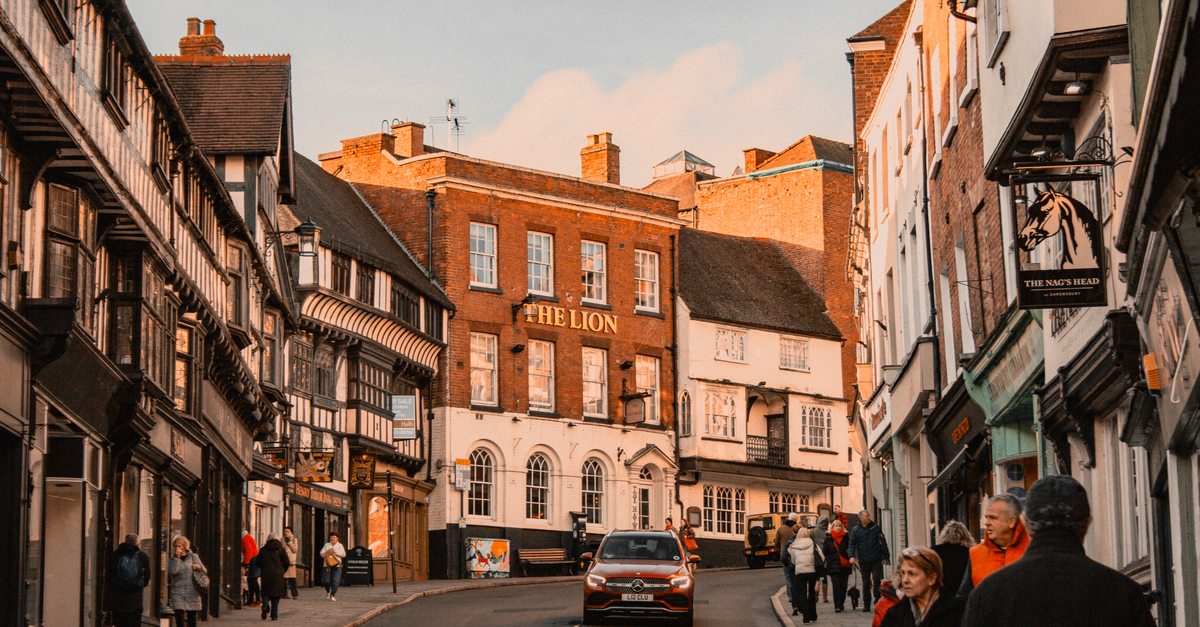
The real shift isn't about banning cars. It's about giving you options so you're not forced to drive 20 minutes every time you run out of milk.
The Commute Math That Should Scare You
I tracked my own driving for three months last year. The results were honestly embarrassing.
- Average daily miles: 38
- Hours per week in the car: 11.5
- Money spent on gas and wear: roughly $340 a month
Here's the thing that changed my mind about the 15-minute city: it's not about eliminating your commute. It's about shrinking the number of trips that don't need to happen at all. When your grocery store, gym, and kids' school are all within a short walk or bike ride, the big commute to work becomes the only long trip you make—not one of six.
And for those of us who still work from home part-time? The math gets even better.
What This Actually Does to Your Home's Value
Let me be blunt, because this is where the money is: walkability is one of the strongest predictors of home value in the country right now.
I've found that buyers my age (and honestly, most buyers under 45) will pay a noticeable premium for a home where they can walk to coffee, a park, and a decent sandwich. Studies from real estate researchers have repeatedly shown that homes in walkable neighborhoods outperform comparable car-dependent homes—sometimes by double digits over a decade.
Does that mean your cul-de-sac is doomed? Not remotely. But it does mean the suburbs that adapt—adding small commercial nodes, connecting sidewalks, allowing a corner store here and a bike lane there—are the ones that will hold value when the next generation goes house hunting.
The suburbs that refuse? They'll be the ones with the "For Sale" signs that sit for six months.
The Three Things That Happen First (And What to Do About It)
If the 15-minute city is coming to your suburb, here's what you'll probably see first:
- Zoning tweaks that allow small mixed-use buildings. That scary "apartment building" is probably a four-unit place with a bakery underneath. It won't eat your neighborhood.
- Sidewalk and trail connections. Boring, unsexy, and wildly effective. This is the backbone of the whole thing.
- More small businesses within walking distance. Coffee, salons, clinics, and yes—probably another taco spot.
- Show up to your planning meetings. Not to yell—to listen and ask real questions. Most of the fear I hear evaporates once people see actual site plans.
- Look at your own walking radius. Open a map, draw a 15-minute circle around your house, and honestly ask what's missing.
- Stop treating every change as a threat. Some of it will be annoying. Some of it will make your life measurably better.
The Part Nobody Wants to Admit
Let's be honest about the uncomfortable truth buried inside this whole debate.
The 15-minute city scares people because it forces us to confront something we've been avoiding: the suburban experiment of the last 70 years was designed around a lifestyle that's becoming economically and environmentally unsustainable. Endless sprawl, two cars per household, and daily 40-minute drives aren't freedom. They're a subscription service to exhaustion.
I'm not saying everyone should sell their SUV and buy a cargo bike. I'm saying the suburbs that thrive over the next 20 years will be the ones that give people a choice—drive if you want, walk if you can, bike if you feel like it.
That's not a conspiracy. That's just good neighborhood design.
So here's my challenge to you: next weekend, walk 15 minutes from your front door in any direction. See what you find. See what's missing. Then ask yourself whether you'd fight to keep it that way—or fight to make it better.
Your commute, your home value, and honestly, your Saturday mornings are all waiting on the answer.





