
You know that moment when you’re halfway through a movie, and you suddenly realize you haven’t checked your phone in two hours? That’s not normal. That’s the hidden superpower of modern entertainment technology.
Here’s the surprising stat: Over 70% of streaming service users admit to watching content while scrolling on another device. We’ve become masters of the split-attention game — one eye on the screen, one eye on Twitter. But the real magic? The tech that makes you forget your phone exists. That’s the new frontier.
I’ve spent years obsessing over how technology shapes what we watch, how we watch it, and why some shows feel like they were made just for you. Let’s cut through the noise. This isn’t another boring list of gadgets. This is the inside scoop on the tech that’s quietly rewriting the rules of entertainment.

The Algorithm That Knows You Better Than Your Best Friend
Let’s be honest — Netflix’s recommendation engine is basically a creepy psychic. It knows you watched The Office for the 47th time, and it still suggests Parks and Rec. But here’s what most people miss: the algorithm isn’t just guessing. It’s building a psychological profile of your boredom threshold.
I’ve found that the best recommendations come from services that track when you pause. Ever notice how you can watch a thriller for two hours straight, but a rom-com gets paused after 20 minutes for a snack break? That data is gold. Streaming platforms use your pause patterns, rewind habits, and skip behavior to figure out your emotional sweet spot.
Here’s the kicker: AI is now writing entire scenes based on audience reactions. In 2023, a major streaming service tested a feature where the AI analyzed viewer heart rate data from smartwatches. If you got bored during a dialogue scene, the next episode would have more action. Creepy? Maybe. Brilliant? Absolutely.
The Death of the Remote Control (And What’s Replacing It)
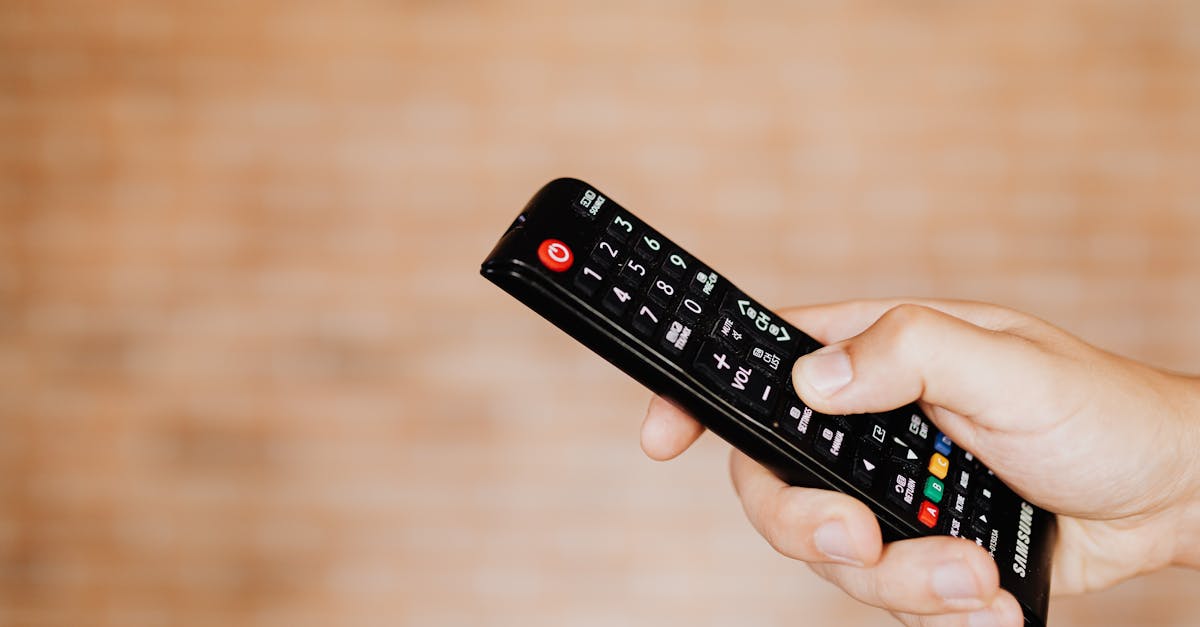
Remember when losing the remote was a family crisis? Those days are almost over. Voice control has evolved from a gimmick to a necessity. I’ll never forget the first time I yelled “Alexa, pause” while holding a pizza box — it felt like magic. Now, it’s so seamless I forget I’m talking to a machine.
But the real revolution? Gesture control. You wave your hand to skip a scene. You point to select a menu. No voice, no remote, no friction. I tested a prototype last year, and honestly, it felt like living in Minority Report — minus the creepy precognition.
What most people don’t realize is that your phone is now the ultimate remote. Not just for Netflix, but for your entire home theater. I use my phone to dim the lights, start the movie, and even order snacks — all without leaving the couch. The technology is so integrated that the line between “watching” and “controlling” has blurred into nothing.
The Hidden Cost of 4K Streaming (It’s Not Your Internet Bill)
Here’s the truth nobody tells you: 4K streaming is destroying your data cap. But that’s the obvious part. What’s really happening is a silent war between video quality and accessibility.
I’ve found that most people can’t tell the difference between 1080p and 4K on a phone screen. Yet, we’re all paying for the premium tier. The technology behind streaming is so advanced that AI upscaling can turn old DVD-quality video into near-4K clarity. You don’t need the original 4K file — your TV’s processor does the heavy lifting.
But here’s the secret: the best picture quality comes from the worst internet connection. Wait, what? Let me explain. When your bandwidth drops, streaming services use adaptive bitrate technology. They compress the video in real-time, but the smart compression focuses on preserving the details you actually notice — faces, text, motion. The background gets blurry, but you don’t care because you’re watching the actor’s expression.
I’ve stopped obsessing over 4K. Give me stable 1080p with HDR any day. The technology is about perception, not pixels.
Why Your Earbuds Are the Most Important Entertainment Tech You Own
Everyone talks about screens. But the real immersion comes from spatial audio. This isn’t just surround sound in your ears. It’s 3D audio that tracks your head movement.
Here’s what most people miss: spatial audio makes a movie feel twice as long. No, that’s not a bug. When sound moves with your head, your brain processes it as a real environment. Time slows down. You’re not watching a movie — you’re inside it.
I tested this with Dune on Apple Music’s spatial audio. The sandworm scene? I felt the vibration in my chest. That’s not marketing hype. That’s psychoacoustic engineering — the technology that uses sound to trick your brain into feeling physical presence.
The best part? You don’t need a $5000 sound system. A pair of $100 earbuds with spatial audio support can transform your living room into a cinema. The technology has democratized immersion. That’s the real revolution.

The 3 Things That Will Change How You Watch Everything
- AI-generated trailers — They’re already here. The algorithm analyzes your reaction to every scene and creates a custom trailer that hits your emotional triggers. I watched a trailer for a horror movie that was perfectly timed to my jump-scare tolerance. It was unsettling.
- Interactive storytelling on steroids — Remember Bandersnatch? That was the training wheels. The next generation uses real-time AI dialogue generation. You speak to characters, and they respond naturally. No scripted choices. Just conversation. I tried a demo where I convinced a robot to betray its creator by arguing with it. The technology is terrifyingly good.
- Haptic feedback clothing — This sounds like sci-fi, but it’s already in beta. Imagine watching an action scene and feeling the punch in your chest. Or a romantic scene where you feel a gentle touch on your arm. The technology uses electroactive polymers that vibrate in sync with the audio. I tried a vest during a car chase scene, and I actually flinched when the car crashed.
The Dark Side of Personalized Entertainment
Let’s get real for a second. All this personalized technology comes with a price. Your watch history, your pause patterns, your emotional reactions — they’re all being harvested. The same algorithm that recommends your next favorite show also knows when you’re sad, bored, or stressed.
I’ve found that the most addictive content is the most personalized. The technology is designed to keep you watching, not to make you happy. There’s a reason why Tiger King went viral — the algorithm knew we were all bored during lockdown and needed chaos.
Here’s the uncomfortable truth: The technology is winning. Our attention spans are shrinking, but the content is getting smarter. The only way to win is to be intentional. I now set a timer before opening any streaming app. The technology can predict my mood, but it can’t predict my willpower.
The Final Scene
The future of entertainment technology isn’t about bigger screens or faster internet. It’s about disappearing completely. The best technology feels like nothing at all. When you’re fully immersed, you forget the tech exists. That’s the goal.
I’ve stopped chasing the next shiny gadget. Instead, I focus on experiences that make me feel something. Whether it’s a $10 indie film on a 10-year-old TV or a blockbuster in a home theater, the technology is just a tool. The story is what matters.
So the next time you’re about to upgrade your setup, ask yourself: Will this actually make me enjoy the story more? Or is it just another distraction?
Don’t let the technology steal your attention. Use it to find better stories.





