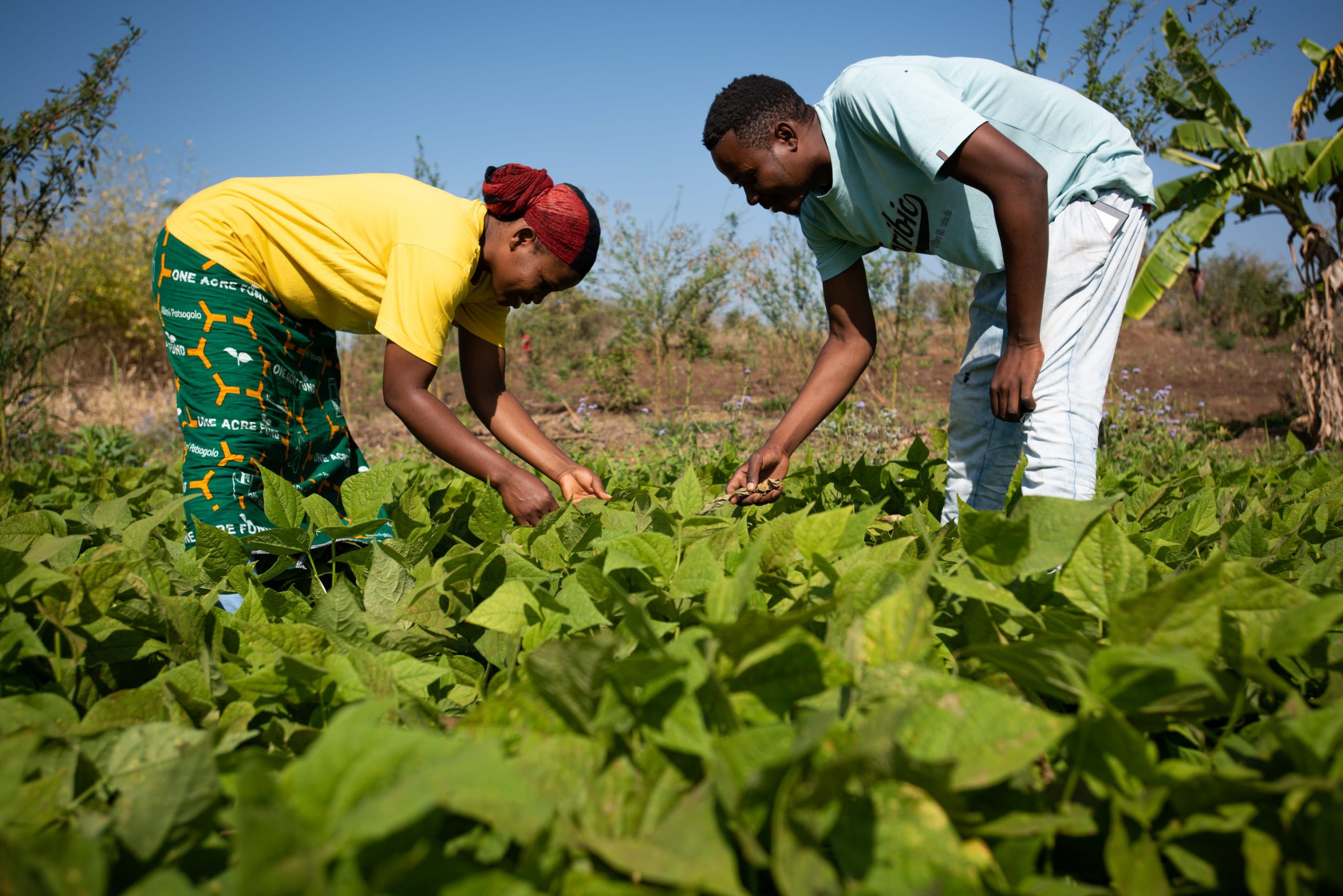
Tanzania's struggle to draw young people into farming is examined in a Daily News analysis published Tuesday, which identifies land ownership, expensive credit and a stubborn image problem as the main obstacles. The Dar es Salaam-based outlet frames the issue against one of the country's most pressing socioeconomic problems: joblessness among those aged 18 to 24.
According to Daily News, that age group is set to grow as birth rates climb and death rates fall, meaning the pressure will intensify unless deliberate steps are taken. Public and private institutions are already running programmes to train and support young people who want to build agricultural businesses, and the outlet credits these incubators with doing strong work.
Why it matters
Agriculture remains central to Tanzania's economy and food supply, yet the generation best placed to modernise it is looking elsewhere. Daily News argues that if the barriers holding young people back are not removed, an energetic but cash-strapped cohort will stay idle — an untapped resource rather than a force for transforming farming, strengthening the economy and improving food security.
A reputation problem rooted in subsistence farming
The first obstacle, per Daily News, is perception. Many young people see farming as a backward occupation suited to older people or those who have not succeeded elsewhere, not as a route to prosperity. The outlet suggests they have some justification: for decades Tanzanian agriculture has been largely subsistence-based, with growers focused on feeding their own households and using any surplus to cover other basic needs.
Daily News points out that young people do not form their views in isolation. They grow up in communities whose attitudes toward farming harden over time into beliefs, habits and traditions. Those attitudes shape ambitions and, in turn, career choices. Overturning them, the outlet says, will take persistent effort, and every community faces a version of this problem even if the specifics vary.
Land and capital shut out those without salaries
Access to land is the second barrier. Tanzania is often described as holding large areas of unused land fit for cultivation, but Daily News notes that little of it belongs to young people, and buying land requires money. As a result, the young entrants who do manage to farm tend to be salaried workers who put their wages into agribusiness and can afford plots where they choose. For most others, land remains a locked gate.
Capital is the third. Daily News observes that young people exposed through technology and information to how farming operates in more developed economies understand that profitable agriculture demands modern methods, better inputs and serious investment. That means money for pesticides, improved seeds and machinery such as tractors — not just for land.
Yet finance in Tanzania is costly and often hard to obtain, and the outlet says young borrowers face even steeper hurdles. Banks lend heavily to the economy each year, but agriculture receives only a small slice. Daily News cites a figure of about seven per cent of roughly 20 trillion shillings in annual bank lending going to the sector, and argues this gap calls for new financial products tailored to young agribusiness entrepreneurs while still making commercial sense for lenders.
The outlet concludes that until these obstacles are tackled, the country's ambitious but financially constrained youth will remain a missed opportunity. Watch for whether banks and policymakers respond with dedicated youth agriculture financing.