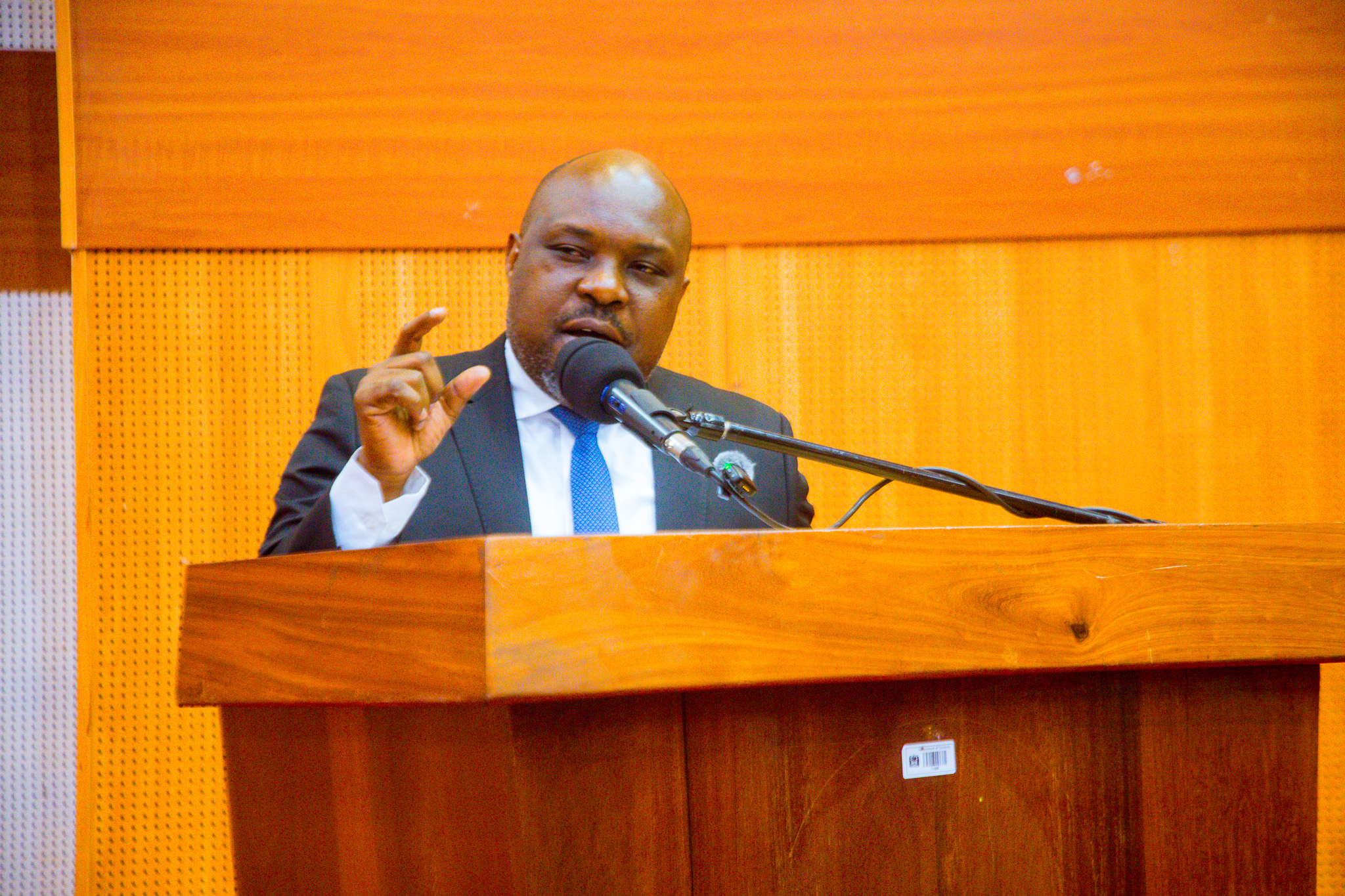
The Tanzanian government has instructed every institution that collects non-tax revenue to tighten how it gathers, manages and monitors that money, so that all funds owed to the state pass through official government channels, Daily News reports. The directive was given in Dodoma by Elijah Mwandumbya, Deputy Permanent Secretary in the Ministry of Finance, as he opened a technical meeting of the government bodies responsible for non-tax revenue collection. According to Daily News, the meeting was convened to review collection reports, examine difficulties in the current system and agree on recommendations for better management of public revenue.
Why it matters
Non-tax revenue — the fees, charges and other payments institutions collect on the government's behalf — helps pay for social services and development projects. When that money bypasses official systems, the government loses resources it has already budgeted for. Mwandumbya's message was that raising rates or finding fresh sources of income will not solve the problem on its own; the machinery for collecting and tracking payments has to be fixed first, and the gaps that let public funds slip away have to be closed.
According to Daily News, he stressed that every shilling due to the government must be directed through official systems, and that revenue management and oversight must be reinforced to stop the loss of money needed to carry out government plans and serve citizens.
Economic conditions and the burden on citizens
Mwandumbya also said efforts to boost revenue should be weighed against the state of the economy, and should preserve room for citizens to take part in lawful economic activity. In other words, the push for stronger collection is not meant to come at the cost of the environment in which people earn a living — a balance the deputy permanent secretary framed as part of the same exercise.
He described non-tax revenue collection as a shared duty, one that depends on every institution involved at each stage: estimating what should be collected, carrying out collection, monitoring progress and evaluating results. No single body can carry the process alone, he indicated.
Uneven contributions across institutions
Daily News reports that Mwandumbya pointed to collection figures for the 2025/26 financial year showing wide differences in how much individual government institutions contribute to non-tax revenue, with some accounting for a large portion of the total. That uneven picture sits behind the call for a common approach and closer tracking.
He asked those at the meeting to come away with resolutions backed by workable strategies, clearly assigned responsibilities and solid arrangements for following implementation through to measurable results. The aim, he said, is not simply to collect more, but to make sure nothing owed to the government is lost through weak systems or insufficient oversight, and that each institution does its part and that agreed decisions are followed until results are delivered.
The meeting brought together the entities that handle non-tax revenue collection, and its review of reports and challenges is meant to feed into recommendations for improving how government revenue is managed overall.
What to watch: whether the institutions represented in Dodoma translate the meeting's resolutions into tracked actions, and whether the wide gaps in institutional contributions narrow in future collection reports.