Bioengineers at the Swiss Federal Institute of Technology in Zurich (ETH Zurich) have built a wireless electronic implant that removes surplus glucose from the bloodstream directly, an approach researchers say could eventually offer a drug-free route to treating type 2 diabetes and obesity. The work was reported by الشرق الأوسط, drawing on coverage by the Independent, and the results appeared in the journal Science.
In experiments on mice with diabetes and obesity, an implant placed under the skin brought elevated blood sugar back to normal within 60 to 90 minutes of being switched on, according to the published findings. Over six weeks of treatment, the animals shed as much as 10 percent of their body weight and showed a clear drop in triglycerides, a common form of fat carried in the blood.
Why it matters
More than five million people in the United Kingdom alone live with diabetes. Standard care for type 2 diabetes — daily insulin injections and newer drugs that act on GLP-1 receptors, such as Ozempic and Mounjaro — requires careful dose-setting and continuous monitoring. Even experimental implants designed to manage diabetes have relied on the hormone insulin, which clears sugar from the bloodstream but does not eliminate it from the body, according to Professor Martin Fussenegger, a biomedical engineer at ETH Zurich.
The Zurich device takes a different route: it removes glucose from the body without drugs, added genes or living cells, الشرق الأوسط reports.
How the implant works
The core of the device is a catalyst built from gold flakes and platinum particles laid over a layer of sponge-like graphite. When a low-voltage current is applied, the catalyst converts glucose into gluconate, a compound the kidneys can readily dispose of in urine.
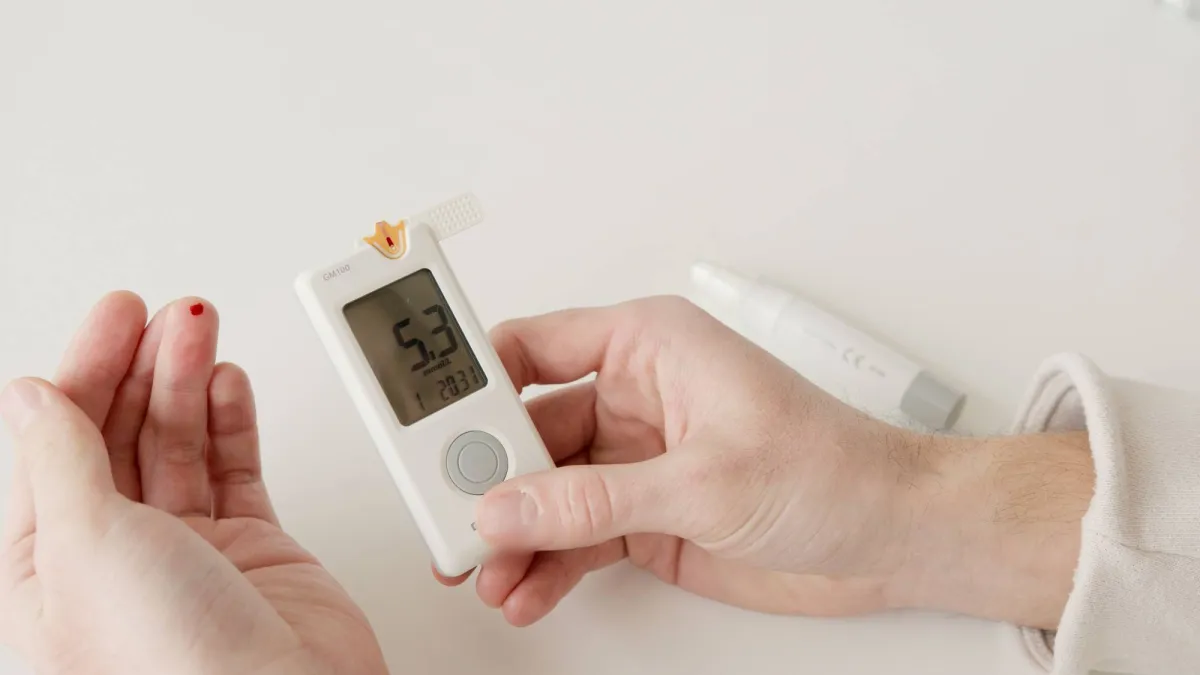
The implant is designed to work alongside a wearable sensor that tracks glucose levels continuously. When the sensor detects a rise in blood sugar, it passes readings through a smartphone, which activates the implant wirelessly.
Fussenegger framed the shift in treatment terms. For decades, he said, diabetes has been managed by instructing the body on how to handle glucose; the new work shows glucose levels can be controlled directly, using electronics rather than medication. He added that the system in effect targets the root of the problem — the excess energy that glucose represents in the body.
Caution from independent experts
Despite the early results in mice, outside specialists urged restraint, stressing that major hurdles remain before the technology could be used in people.
Dr. David Klonoff, an endocrinologist at the Sutter Mills-Peninsula Medical Center in California who was not involved in the research, called the method promising but said the associated risks are substantial and must be carefully ruled out before it can be tested safely in humans.
Klonoff said the researchers need to establish precisely how much gluconate human kidneys can process and excrete. A buildup of the compound could disturb the body's acid-base balance and produce symptoms such as nausea and confusion, he said. Clearing it too aggressively, meanwhile, could deplete electrolytes — essential body salts including sodium and potassium.
What to watch
Fussenegger's team now plans to test the system in larger animals, including pigs and sheep, before moving toward the steps required for clinical trials in humans. If the implant proves safe and effective, it could become an alternative to conventional diabetes treatments and open new possibilities for weight control, both in people with diabetes and in those without it.





