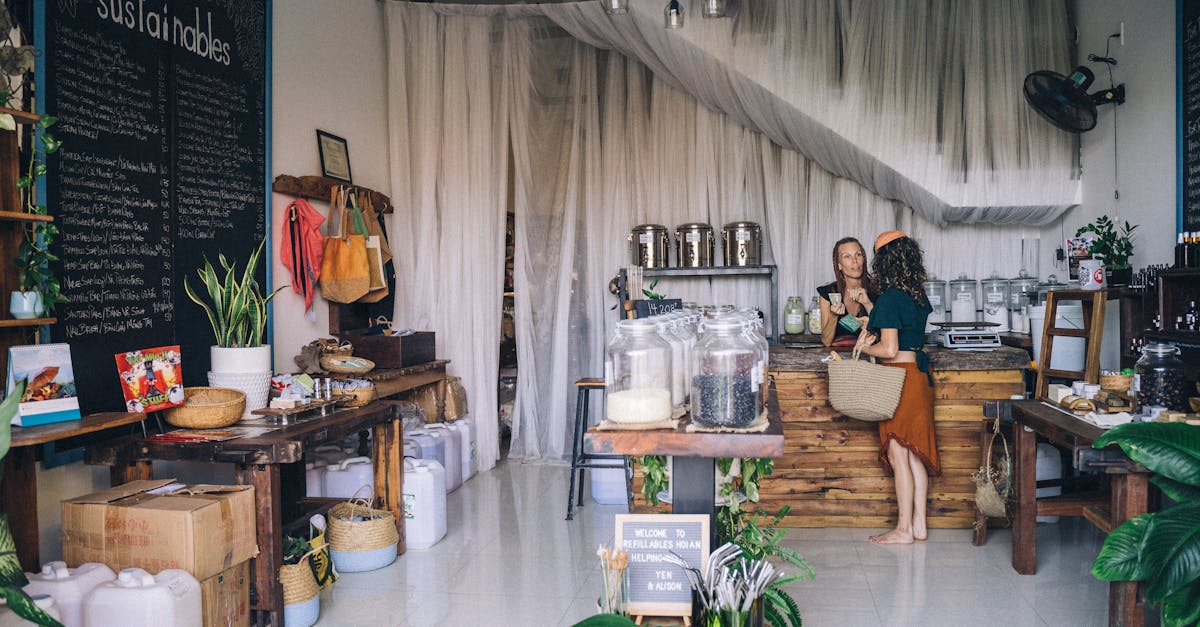
I nearly had a panic attack at the checkout counter last month. There I was, holding a $12 jar of organic almond butter, a $9 “eco-friendly” cleaning spray, and a bamboo toothbrush that cost more than my lunch. I almost put it all back. If sustainable living requires this kind of price tag, I thought, count me out.
But here’s the dirty little secret the green industry doesn’t want you to know: the most sustainable swaps aren’t the ones you buy — they’re the ones you don’t. After years of trial, error, and a few questionable DIY experiments, I’ve learned that living lighter on the planet can actually pad your wallet. Let’s cut through the hype and get real.

The “Zero Waste” Starter Kit You Already Own
I’m going to say something controversial: you don’t need a stainless steel straw. You don’t need a matching set of glass containers. And you definitely don’t need that $40 “plastic-free” lunchbox your influencer friend keeps pushing.
The greenest item is the one already in your cupboard. I’ve found that the most effective sustainability hack is simply using what you have until it falls apart. That plastic Tupperware from 2017? Keep it. Those cotton t-shirts with the faded logo? Turn them into cleaning rags. The glass pasta sauce jars? Congratulations — you now own free storage containers.
Here’s what most people miss: the manufacturing footprint of a “sustainable” replacement is often higher than just keeping your old plastic alive for another few years. The math isn’t just about material — it’s about lifespan. So before you buy anything new, ask yourself: Can I make do with what I have? Nine times out of ten, the answer is yes.
The Grocery Swap That Pays You Back
Let’s talk about food waste because this is where the real money hides. The average household throws away roughly $1,500 worth of food every year. That’s not just bad for your budget — it’s a climate disaster. When food rots in landfills, it produces methane, a greenhouse gas 80 times more potent than carbon dioxide.
I started a simple practice that changed everything: the “Eat Me First” container. Every Sunday, I take a minute to survey my fridge. Anything getting close to its expiration date goes into a designated bin. When I’m hungry, I have to eat from that bin first. No exceptions.
The results? My grocery bill dropped by about 30% in the first month. I stopped buying vegetables I’d never cook. I started getting creative with leftovers. And I felt like a genius making soup from wilting kale and a single sad carrot.
The bonus: meal planning around what you already have is actually easier than planning from scratch. You’re not deciding what to cook — you’re just using what exists. It’s like a cooking show challenge, but with less pressure and more garlic.

The Laundry Secret Your Grandmother Knew
I used to buy those plastic jugs of laundry detergent that promised “mountain fresh” scent and “stain-fighting power.” Then I learned that most commercial detergents are mostly water, packaged in plastic, and shipped across the country. The carbon footprint alone made me cringe.
The swap? Powdered detergent in a cardboard box. It’s cheaper per load, lasts forever, and the packaging is recyclable. But here’s where I went full grandma mode: I now make my own laundry powder.
It sounds intimidating, but it’s literally three ingredients: washing soda, baking soda, and a bar of castile soap grated into flakes. Mix them together, store in a jar, and use two tablespoons per load. The total cost? About $5 for six months’ worth of detergent. The environmental impact? Nearly zero. And my clothes? Cleaner than they’ve ever been because there’s no chemical buildup.
Let’s be honest — the first time I did this, I felt ridiculous. But now I feel like a wizard every time I do laundry. You don’t need to make your own, but switching to powder in cardboard will save you money and plastic. That’s a win-win.
The Energy Bill Hack Nobody Talks About
Here’s a truth bomb: most of us are heating and cooling rooms we aren’t using. I used to keep my apartment at a comfortable 72 degrees year-round, thinking it was just “normal.” Then I realized I was paying to heat the hallway, the bathroom, and the closet.
The swap is simple: zone your thermostat. If you have central heating, close vents in unused rooms and shut the doors. If you have space heaters, only heat the room you’re in. I bought a cheap programmable thermostat for $30 and set it to drop to 65 degrees at night and while I’m at work. The result? My energy bill dropped by 25% in the first month.
But here’s the part nobody talks about: the biggest energy savings come from behavior, not gadgets. Turning off lights when you leave a room, unplugging electronics that aren’t in use, and air-drying your clothes on a rack instead of using the dryer. These things sound small, but they add up to hundreds of dollars a year.
I switched to air-drying my clothes two years ago, and I’ll never go back. They smell better, they last longer, and my electricity bill dropped by about $20 a month. Plus, I get to pretend I’m living in a European countryside cottage, which is a nice mental escape from my tiny apartment.

The “Buy It for Life” Mindset Shift
This is the hardest swap of all because it requires patience. We live in a world designed for instant gratification, where buying something new feels good for about 30 seconds. But sustainable living on a budget means breaking up with impulse buying.
I’ve developed a 48-hour rule: if I want something that isn’t a necessity, I wait two days. Usually, the urge passes. If it doesn’t, I ask myself: Can I find this used? Can I borrow it? Can I repair something I already own?
The most sustainable purchase I ever made was a $40 cast iron skillet. I found it at a thrift store, and it will outlive me. I’ve cooked thousands of meals in it, and it requires no special cleaning products. Compare that to non-stick pans that need replacing every two years. The cast iron was cheaper upfront and infinitely cheaper in the long run.
The trick is to invest in quality, not quantity. Buy fewer things, but buy things that last. This isn’t about deprivation — it’s about liberation. When you own less stuff that you actually love and use, your space feels calmer, your bank account is happier, and the planet breathes a little easier.
Where Do We Go From Here?
Look, I’m not perfect. I still buy takeout in plastic containers. I still forget my reusable bags sometimes. I still have a weakness for fast fashion when I’m having a bad day. But perfection is not the goal. The goal is progress, done in a way that doesn’t bankrupt you or make you miserable.
The irony of sustainable living is that the more you do it, the more money you save. It’s one of the rare life changes where the ethical choice and the practical choice align perfectly. You don’t have to be a martyr. You just have to be a little smarter about what you buy, how you use it, and when you replace it.
So start small. Pick one swap from this list and try it for a month. See how it feels. I promise you — your wallet and the planet will thank you. And if anyone tries to sell you a $50 reusable straw, just laugh and walk away.