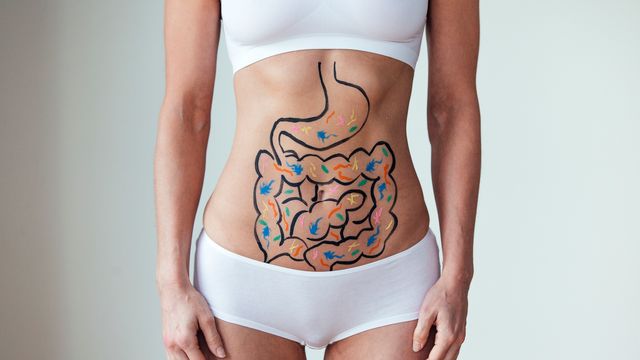
A study published in Nature has found that eating sweets while taking antibiotics is associated with a steeper loss of gut bacterial diversity and a rise in harmful bacteria, Technology Networks reports. Researchers tracked the meals and gut microbes of 173 cancer patients hospitalized for bone marrow transplants and found that sugar intake during antibiotic exposure predicted worse disruption to the microbiome.
The work points to a possible low-risk change for patients: cutting back on sugar while on antibiotics may reduce the damage these drugs do to gut bacteria.
Why it matters
The gut microbiome is a community of microbes that helps regulate metabolism and immunity, according to Technology Networks. Antibiotics, among the most widely prescribed medicines worldwide, can upset that balance by wiping out helpful bacteria along with harmful ones and, in some cases, letting dangerous species take over. That loss of diversity can leave the gut more open to disease.
Blood cancer patients are especially exposed to this problem. They often receive antibiotics during treatment, and the study's authors say the effects of microbiome disruption can be amplified in people who are already very vulnerable.
Dr. Jonas Schluter, an assistant professor in the Department of Microbiology at NYU Langone, told Technology Networks that the microbiome has been linked to many health conditions, but cause and effect are not always clear. In patients as fragile as those with blood cancer, he said, those causal effects can be stronger.
Tracking 9,419 meals and the microbes that followed
Patients with blood cancers who undergo bone marrow transplants are usually hospitalized for weeks, receiving chemotherapy and antibiotics together. That combination causes major shifts in the gut microbiome. Schluter said this gives researchers a chance to study what makes microbiome imbalance worse, because these patients' microbiomes face repeated assaults.
The team logged the food in 9,419 meals the patients ate. Schluter described this as an experiment that would be very difficult to run in a healthy population, where people may forget a meal they did not record and where memory can distort food questionnaires.
Using a statistical method called Bayesian causal inference, the researchers analyzed data from 158 patients who had microbiome samples taken repeatedly over time. They found that eating sweets and sugars during antibiotic treatment predicted more severe microbial imbalance. For every 100 grams of sugar consumed in the 48 hours before an antibiotic dose, the study reported an additional 21% drop in alpha diversity, a measure of how rich, even and varied the bacterial species in a sample are.
That drop came alongside an expansion of Enterococcus faecium, an opportunistic pathogen that can cause life-threatening infections, particularly in hospitalized patients. The vancomycin-resistant form of E. faecium is especially hard to treat.
Schluter offered a hypothesis for what is happening. He said the antibiotic vancomycin may give E. faecium an ecological advantage, and sugar then feeds that bacterium a resource it can use, which can worsen its dominance.
Mouse experiments show a similar pattern
To test the idea, the researchers ran further experiments in mice given the antibiotic biapenem. When the animals' standard diet was supplemented with sucrose, enterococci in the gut rose 16.3-fold by day three and 33.4-fold by day six, according to Technology Networks.
Taken together, the findings suggest that removing sugar during antibiotic treatment may ease disruption to the microbiota. The study's authors, however, list several limitations. Antibiotics were started because of clinical need, so the results may be tangled up with how severe a patient's condition was. Records of food eaten outside the hospital are incomplete, and passing symptoms can change what people feel like eating, adding more factors that shift over time. The researchers also say more work is needed to pin down the mechanisms behind the microbiome changes.
Schluter said his team is following up at the molecular biology level, and that a preprint under review examines which bacteria tend to thrive when sugar is present.
He also said it is not yet clear how far the findings apply beyond this group of patients. Still, he believes the underlying logic — disturb a system, let some bacteria survive by chance or through antibiotic resistance, then feed them a resource that helps them grow — would also hold for otherwise healthy people. Even in healthy individuals, he said, there is a cost to the microbiome damage antibiotics cause, and temporarily reducing sugar intake is a very low-risk lifestyle change.
For now, the study offers a testable, low-cost idea rather than a clinical recommendation. Watch for the team's molecular follow-up and for research testing whether the same pattern appears in healthier populations.





