
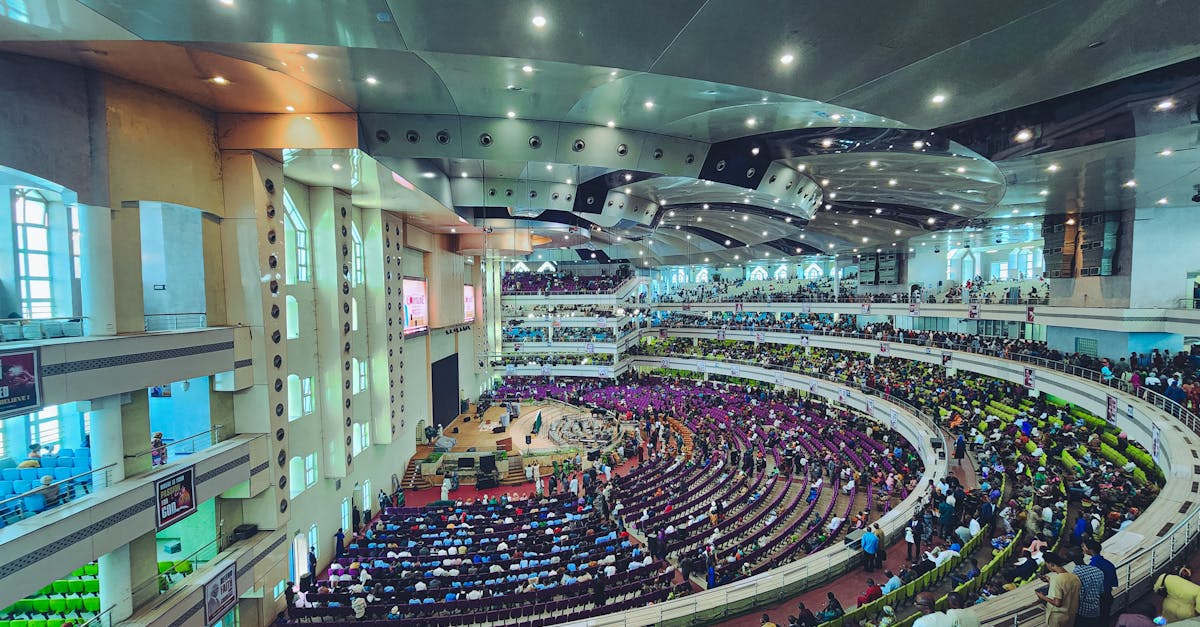
I remember the first time I walked into Christ Embassy Loveworld Arena in Ho. It wasn't a grand spiritual awakening—I was just curious. A friend had been nagging me for weeks, saying, "You need to experience the energy here." I rolled my eyes, thinking, It's just another church service. But let me be honest: I was wrong.
The moment I stepped through those doors, something shifted. It wasn't the air conditioning (though that was a blessing in the tropical heat). It wasn't the perfectly timed worship or the polished preaching. It was a palpable sense of transformation—like the entire room was vibrating with possibility. I saw people I'd known for years, people who were struggling with everything from financial stress to family breakdowns, and they looked... different. Lighter. Hopeful.
That's when I started asking questions. Why are so many residents of Ho—a city that's historically been more reserved about faith—flocking to this particular church? What's the secret sauce at Christ Embassy Loveworld Arena that's sparking such visible spiritual growth in Ghana? I spent the next few months digging into this, talking to members, pastors, and even skeptics who wandered in. Here's what I found.
The "Loveworld" Phenomenon: More Than Just a Building
Let's get one thing straight: Christ Embassy Loveworld Arena isn't just a church—it's a spiritual ecosystem. When I first heard the term "Loveworld," I assumed it was marketing fluff. But after attending five services and three midweek programs, I realized it's a deliberate culture. The name matters because it frames the entire experience around love as the foundation for growth, not guilt or fear.
Most churches in Ho—and across Ghana—lean heavily on the "fire and brimstone" approach. You know the drill: sermons about what you're doing wrong, what God is angry about, and how you need to repent or else. It works for some people, but it leaves others feeling exhausted. Christ Embassy flips the script. Their mantra is "Love is the greatest", and they mean it literally. Every message, every song, every interaction is designed to remind you that you're valued, not condemned.
I sat down with a woman named Adjoa, a 34-year-old teacher who joined the church two years ago. She told me, "I grew up terrified of God. My grandmother would say, 'God is watching, so don't misbehave.' At Loveworld Arena, they said, 'God is loving you so much, He died for you to live.' That changed everything." Her story isn't unique. I've heard variations of it from dozens of members.
The church's "Loveworld" philosophy isn't just theoretical—it's practical. They have what they call "Love Clubs" (small groups) that meet in homes across Ho. These aren't Bible studies where you sit and listen to a lecture. They're interactive, with discussions about real-life issues: debt, marriage, parenting, career decisions. The goal is to apply love in daily situations, not just talk about it. And that's where the spiritual growth happens—in the messy, awkward, beautiful process of trying to live differently.
The Secret Ingredient: Practical Spirituality for Real Life
Here's what most people miss about spiritual growth in Ghana: We're a deeply religious country, but we're also practical people. We don't just want theology; we want solutions. And Christ Embassy Loveworld Arena gets that.
I remember attending a program called "The Healing School" (yes, that's the actual name). I went in skeptical—healing services in Ghana often feel like theatrical performances. But this was different. The pastor didn't shout or demand people to "receive your healing." Instead, he taught a lesson on the connection between emotional wounds and physical sickness. Then he had people pair up and pray for each other, addressing specific hurts—betrayal, grief, resentment. I saw grown men cry. One guy, a mechanic named Kofi, told me he'd been suffering from chronic back pain for five years. After the session, he said, "I realized I was carrying anger from my divorce. When I let that go, the pain disappeared." Coincidence? Maybe. But Kofi hasn't had a pain episode since.
The church also runs practical workshops that I've never seen elsewhere in Ho. "Financial Wisdom for Kingdom Living" is a monthly class that teaches budgeting, saving, and investing—all from a biblical perspective. It's not about "seed sowing" (though they do that too). It's about helping people get out of debt and build wealth. One member, a 28-year-old entrepreneur named Selorm, told me the class helped him save his first 10,000 cedis. "I was living paycheck to paycheck," he said. "Now I own my own business."
This blend of spiritual and practical is what I believe is drawing so many people. Ho residents are tired of religion that doesn't change their lives. They want a faith that helps them pay their bills, heal their marriages, and find purpose beyond Sunday service. Christ Embassy Loveworld Arena delivers exactly that.

The Community Factor: Why You Can't Grow Alone
Let me share something personal. For years, I attended a church where I felt like a spectator. I'd show up, sing, listen to the sermon, and leave. I knew maybe five people by name. And I wasn't growing—not spiritually, not emotionally. I was just... existing.
That's the problem with many churches in Ho. They're large, impersonal, and focused on the event rather than the individual. Christ Embassy Loveworld Arena flips this model. They've built a culture of intentional community that's almost impossible to ignore.
I joined one of their "Love Clubs" (they have over 40 in Ho alone). The group I'm in meets every Wednesday evening at a member's house in Sokode-Lokoe. There are about 15 of us, ranging from a university student to a grandmother. We share meals, pray for each other's specific needs, and hold each other accountable. Here's the shocking part: I know the real names of everyone in that group, their struggles, their dreams. I've seen someone lose a job and the group rally to find them a new one within two weeks. I've seen a couple on the verge of divorce get counseling and save their marriage.
This isn't just "fellowship." It's spiritual growth in a laboratory. You can't grow in isolation—we all know that. But most churches don't create structures for genuine connection. Christ Embassy does. They have "Love Ambassadors" (trained members) who follow up with newcomers within 24 hours. They organize "Love Feasts" (potluck dinners) every quarter. They even have a "Love Text" program where you get daily encouragement via SMS. It sounds small, but these systems create a web of belonging that makes you feel seen.
The Surprising Role of Music and Atmosphere
I need to talk about the worship. Because if you've been to a Christ Embassy service, you know it's not your typical Ghanaian church experience. The music is loud, modern, and intentionally joyful. They use full bands—guitars, drums, keyboards, horns—and the singers don't just perform; they lead you into a state of release.
I'll never forget my second visit. The band started playing a song called "You Are Great," and the entire congregation—easily 500 people—began dancing. Not the polite, reserved dancing you see in some churches. I'm talking full-body, sweat-forming, hands-in-the-air dancing. For a moment, I felt awkward. I'm not a dancer. But then something clicked. The atmosphere was infectious. I found myself moving, not because I was pressured, but because the joy in the room was undeniable.
What most people miss is that this isn't just entertainment. The church deliberately uses music to create an emotional release valve for stress, anxiety, and depression. Studies show that music activates the brain's reward centers and reduces cortisol. Christ Embassy has intuitively tapped into this. People leave the service not just spiritually refreshed, but emotionally lighter. One member, a nurse named Esther, told me, "After a long week at the hospital, I come here and just let go. The worship heals me."
The "Loveworld" Effect on Ho's Culture
This isn't happening in a vacuum. Ho is experiencing a cultural shift. The city is growing—new businesses, new roads, new universities. But with growth comes stress: inflation, unemployment, family pressures. People are searching for something stable, something that gives them meaning beyond the daily grind.
Christ Embassy Loveworld Arena is filling that gap in a unique way. They're not just offering a Sunday service; they're offering a lifestyle brand of faith. And it's working. I've seen the church's influence spread beyond its walls. Members start businesses, mentor youth, and organize clean-up campaigns in the community. There's a sense of purpose that's contagious.
I talked to a local pastor from a different denomination who admitted, "They're doing something right. We're losing members to them, but I can't be bitter—the people are genuinely changing." That's the thing: the results are visible. You see it in the faces of members, in their testimonies, in the way they carry themselves.
The Hard Question: Is It All Hype?
Now, let's be real. I'm not here to sell you a perfect picture. I've heard criticisms. Some say it's too prosperity-focused. Others say the atmosphere is too emotional, too driven by hype. And yes, there are moments when the enthusiasm feels manufactured—like when they call for "seed sowing" and the pressure is intense.
But here's my honest take: Every church has flaws. The question is whether the core is genuine. And after months of observation, I believe the core at Christ Embassy Loveworld Arena is authentic. The leaders I've met are humble, open to feedback, and genuinely invested in people's lives. The members I've talked to aren't brainwashed; they're transformed.
One evening, I sat with a group of young men who had joined the church after being involved in gang activity. One of them, a 22-year-old named Michael, told me, "I used to sell drugs. I was angry at everyone. But someone from Loveworld Arena kept inviting me, kept loving me, even when I was rude. Eventually, I gave in. Now I'm studying to be a nurse." His story isn't a scripted testimony. It's messy, raw, and real.
What This Means for Spiritual Growth in Ghana
If there's one lesson from the Christ Embassy Loveworld Arena phenomenon, it's this: Spiritual growth isn't about finding the right doctrine; it's about finding the right environment. People in Ho—and across Ghana—are hungry for a faith that works in real life. They want a community that sees them, loves them, and helps them become better versions of themselves.
Christ Embassy Loveworld Arena isn't perfect. But it's providing something that's increasingly rare: a space where you can be honest about your struggles, receive practical help, and feel like you belong. That's why residents are joining. That's why the church is growing.
And maybe that's the real secret. Not the music, not the preaching, not the "Loveworld" branding. It's the love. Not as a slogan, but as a lived experience. When people feel genuinely loved, they change. And when they change, they bring others along.
So if you're in Ho and you've been curious, I'd say: go. Not because I'm selling you anything, but because you owe it to yourself to see what's happening. You might just find what you've been looking for.


