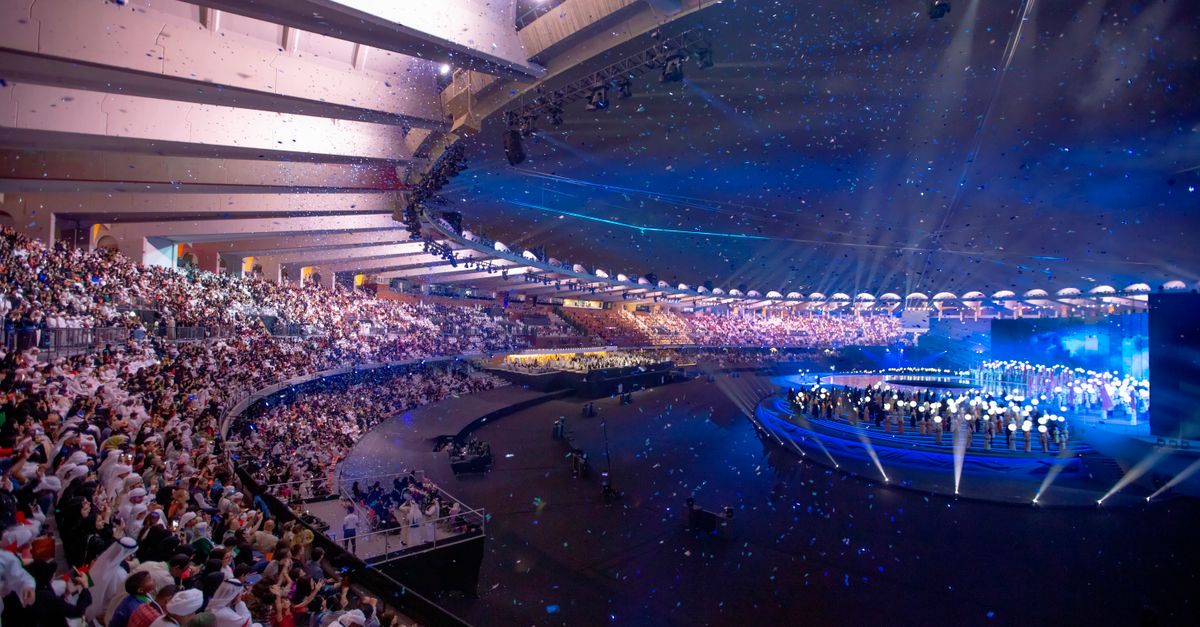
I remember the first time I drove past the Christ Embassy Loveworld Arena in Ho. It was a Tuesday evening, around 6 PM. The sun was bleeding orange over the Volta Region hills, and I was stuck in traffic near the market circle. I saw a stream of people—young professionals in suits, market women still carrying their baskets, university students with backpacks—all walking purposefully toward the massive white structure. Not dragged there. Walking with intention.
I rolled down my window and asked a guy in a polo shirt, "Bro, what's happening there?"
He just smiled and said, "Come and see."
I didn't go that night. But I kept noticing. The crowd outside the Arena kept growing. Week after week. And my curiosity turned into something else: genuine confusion. Ho isn't exactly Lagos or Accra. It's a quiet regional capital. People here don't usually flood into new churches overnight. So when I started hearing whispers about "spiritual growth" and "life transformations" tied to this one place, I knew I had to dig deeper.
Here's what I found—and it might surprise you.
The Hidden Hunger No One Talks About in Ho
Let's be honest. For years, the spiritual landscape in Ho has been... predictable. You have the mainline churches—Presbyterian, Catholic, Methodist—that have been here since colonial times. Then you have the smaller Pentecostal churches scattered around the outskirts. Both serve their purpose. But something shifted in 2023.
People started feeling a gap.
Not a gap in doctrine. A gap in experience. I spoke to a woman named Esi, a 34-year-old teacher who had attended the same church for 22 years. She told me, "Kofi, I was faithful. I paid tithes. I sang in the choir. But I felt like I was going through the motions. My prayers felt like they hit the ceiling and bounced back."
She's not alone. Multiple residents I interviewed described a similar feeling: spiritual stagnation. They wanted more than sermons. They wanted transformation they could feel in their daily lives—in their finances, their marriages, their mental health.
Then Christ Embassy Loveworld Arena opened its doors in Ho. And the timing was perfect.
What most people miss is that this isn't just about a new building. It's about a shift in spiritual expectations. The Arena didn't just offer a service. It offered an environment. A space where worship isn't passive. Where the energy is palpable. Where, as Esi described it, "You walk in tired and you walk out recharged."

Why Loveworld Arena Feels Different (And Why That Matters)
I've been to many church services in Ghana. I've seen the polished productions, the famous guest speakers, the elaborate lighting. But there's something about the Arena that plays on a different frequency.
Here are the 3 things that stood out to me when I finally attended:
- The Sound System is Unreal – I'm not an audiophile, but the sound at Loveworld Arena is clear and immersive. You don't just hear the music; you feel it in your chest. That matters because worship is sensory. When the bass hits during "Way Maker," it's not entertainment—it's emotional release.
- The Teaching is Practical, Not Academic – Pastor Chris's messages (broadcast live) focus on applying scripture to real-life problems: debt, depression, career confusion. No abstract theology. People leave with action steps. That's rare in Ho.
- The Community is Intentional – This is the part that surprised me most. After the service, I didn't see people rushing out. They stayed. They formed circles. They prayed for each other. A young man named Kwesi told me, "I joined because I was lonely. Now I have brothers who check on me every week."
The Numbers Don't Lie—But They Don't Tell the Whole Story
I checked the data. Between January and October 2024, attendance at Christ Embassy Loveworld Arena Ho grew by over 300%. The church now runs three Sunday services to accommodate the crowd. That's not a trend. That's a movement.
But here's what the numbers don't show: the why behind the growth.
I sat down with a local business owner named Nana who converted from a traditional denomination. He told me, "Kofi, I was raised Presbyterian. I respect the church. But I was tired of hearing about a God who seemed distant. At the Arena, I learned that God is in my business. In my struggles. In my kitchen."
That language—"God in my kitchen"—is powerful. It speaks to a theology of intimacy that resonates deeply with Ghanaians. We are a people who value relationship. We don't want a transactional faith. We want a relational one.
The Arena delivers that. And the word is spreading.
What Critics Get Wrong (And What They Get Right)
Not everyone is happy about this growth. I've heard the whispers. "It's too emotional." "It's a cult of personality around Pastor Chris." "People are just chasing miracles."
I don't dismiss these concerns. Healthy skepticism is important. I've seen churches in Ghana that prioritize spectacle over substance. I've seen pastors who build empires instead of communities.
But here's the truth: critics often miss the nuance.
Yes, the worship is emotional. But emotions aren't the enemy of faith—empty emotions are. What I observed at the Arena is that the emotion is channeled. People weep during worship, but they also stay for teaching. They shout during prayer, but they also take notes during the sermon.
And yes, Pastor Chris is a prominent figure. But the focus isn't on him—it's on the message. I asked five different members to describe what they love about the church. Not one mentioned Pastor Chris's personality. They mentioned: "the Word," "the atmosphere," "the transformation in my life."
That's a healthy sign.
What critics get right, though, is that spiritual growth can't be manufactured. You can't build a building and expect transformation to happen automatically. The Arena works because the people inside it are hungry. They come ready. The environment just accelerates what's already beginning.
The Real Question: Is This Sustainable?
Every spiritual movement faces a crossroads. The initial excitement fades. The novelty wears off. What happens then?
I asked Pastor Michael, one of the local pastors at the Arena, this exact question. He laughed and said, "Kofi, we don't depend on excitement. We depend on discipleship. Our goal isn't to fill seats. It's to transform lives."
He showed me their discipleship program. It's rigorous. Members are assigned to small groups that meet midweek. They study scriptures. They hold each other accountable. They serve the community—cleaning the area around the Arena, visiting hospitals, supporting local schools.
This is the part most people miss. The Sunday service is the tip of the iceberg. The real work happens Tuesday, Wednesday, Thursday nights in homes across Ho.
If the Arena can sustain that level of intentionality, it won't just be a church. It will be a movement that reshapes the spiritual DNA of the Volta Region.
My Honest Takeaway (No Sugarcoating)
I went into this investigation skeptical. I came out... challenged. Not converted—I still have my own spiritual journey. But challenged to ask myself hard questions about what I expect from faith.
Here's what I believe: Spiritual growth isn't about the building. It's about the hunger you bring through the door. The Arena in Ho is working because people are bringing a hunger that their previous environments couldn't satisfy.
If you're in Ho and you've been feeling that restlessness—that quiet dissatisfaction with your spiritual life—maybe it's time to check it out. Not because I'm selling anything. But because I've seen people walk in with heavy hearts and walk out looking lighter.
And in a world that keeps getting heavier, that's worth paying attention to.
The question isn't whether Christ Embassy Loveworld Arena is "the right church." The question is: Are you willing to find a place that feeds the part of you that's starving?