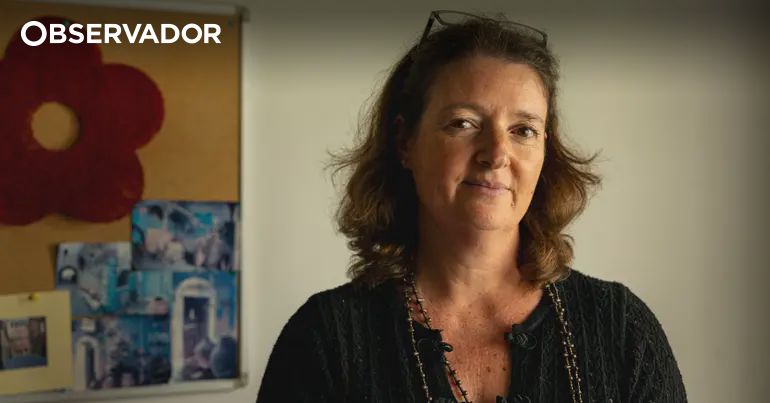
A Portuguese social psychologist says the circumstances a person lives in play a major role in how chronic pain is experienced and managed, according to reporting by Observador. The researcher, who works at ISCTE in Lisbon, has spent more than two decades studying how psychosocial factors affect health, with a focus on chronic pain.
Her comments appeared in Observador as part of a series of articles built from interviews with health professionals who care for patients living with long-term pain.
Why it matters
The researcher told Observador that many people around her hold down jobs, carry out their daily duties and appear to function normally while living with chronic pain. In most cases, she said, they do not use that term. Instead they describe it simply as a pain they have had every day for years.
That gap between how pain looks from the outside and how it is lived is central to her argument. Two people with a similar chronic illness can end up in very different places, Observador reports. One may keep working, maintain relationships, stay socially active and hold on to a reasonable quality of life. Another may withdraw, stop working, become depressed and feel more pain.
The researcher said these differences cannot be explained by individual traits alone.
Pain is real, and it is also psychological
According to Observador, the researcher stressed that describing pain as partly psychological does not mean it is imaginary. Pain is generated by the brain when signals arrive suggesting something may be potentially dangerous, she said. The brain then has to interpret that information and judge whether a threat exists.
To do that, it draws not only on signals from the body but also on what a person sees, hears, thinks and feels at that moment. That, she said, is why a psychological component exists.
But those thoughts and emotions do not occur in a social vacuum, she added. People have families and friends, they work, they belong to social groups, and they live within particular economic and cultural conditions. The social setting therefore also shapes how pain is thought about, felt and lived.
The researcher pointed to the ease with which resilience, optimism, self-efficacy and a sense of control are invoked, and said the context in which someone lives with an illness is often overlooked. Having chronic pain while holding a stable job, with financial security and a support network, is not the same as having it while unemployed, with few economic resources, low levels of schooling and no family support, she told Observador. The levels of threat and stress a person faces in those two situations differ greatly, and that affects the pain experience.
From biochemistry to the psychology of health
The researcher described a career path that began with an interest in biochemistry. In her final school year she studied biology, mathematics and chemistry, and planned to apply for a degree in the field, according to Observador. Unsure, she followed her mother's suggestion to take a vocational assessment.
After psychometric tests and an interview, the psychologist told her she had a broad profile that included biochemistry but suggested she might miss working with people if she chose it. The remark stayed with her, and she decided to study psychology instead.
She completed a degree in psychology with a specialisation in psychotherapy and counselling, then began postgraduate training in psychotherapy at the Portuguese Association for Behavioural, Cognitive and Integrative Therapies. In 1999, at the end of her degree, ISCTE hired her as a trainee assistant in what was then its department of social and organisational psychology, Observador reports. She went on to complete a master's and a doctorate in social health psychology there.
She has now been at ISCTE for more than 26 years and is a full professor in its psychology department and director of the master's programme in social health psychology and well-being.
Her interest in pain emerged as she was finishing her psychotherapy specialisation. She told Observador that she had begun to feel that too much attention went to the psychological side while the body was never discussed, and that patients with chronic pain started appearing in her consultations. She said the area caught her attention because it joins body and mind in a way that cannot be separated.
A personal loss that shaped a research question
When she was looking for a doctoral topic, a significant event occurred in her personal life, according to Observador. Her maternal grandmother died following a cardiac catheterisation. The researcher described it as a shock. Her grandmother was much loved, the outcome was entirely unexpected, and she had not wanted to undergo the examination but went ahead.
The researcher then began reading about sex and gender disparities in the diagnosis and treatment of cardiovascular disease. Observador reports that a substantial body of research already showed higher mortality from heart attacks among women and that chest pain was given less weight in women than in men.
She decided to connect questions of gender and pain. Her thesis examined how a patient's sex influences clinical judgements when someone assesses another person's pain, and in particular how that happens depending on the context.
What she has learned about help
One lesson from her work, she told Observador, is that efforts to help someone in pain do not always produce the effect intended. When a person is suffering, it is natural for family members to try to protect them — taking over tasks such as carrying things when climbing stairs is difficult, or stepping in when other everyday actions become hard.
The researcher's wider work runs along two lines, according to Observador: how health professionals' stereotypes and prejudices, particularly around sex and gender, affect the assessment and treatment of pain, and how context, relationships and social support influence adaptation to chronic pain.
Observador's series, titled "What I learned from other people's pain," is based on interviews with health professionals who accompany patients with chronic pain. Further instalments are expected to examine how clinicians and researchers approach the condition.





