
You’ve got about 10 trillion microplastic particles floating through your body right now. That’s not a typo. Ten. Trillion. And until recently, we didn’t even know they could get inside our veins.
A new study just dropped, and it’s the kind of news that makes you stop mid-bite of your takeout. For the first time ever, researchers have detected microplastics in human blood. Not in fish guts. Not in Arctic ice. In us. Let’s break down what this actually means, why nobody’s talking about it on your morning news feed, and — most importantly — what you can do about it without moving to a cabin in the woods.
Wait, They’re in My Blood Now?
Let’s be honest: we all knew plastic was everywhere. We’ve seen the videos of turtles with straws up their noses. We’ve read the headlines about plastic in our seafood, our tap water, even the air we breathe. But there was always this quiet hope that our bodies had some kind of bouncer at the door. You know, the liver filters this, the kidneys handle that. We thought we were safe.
We were wrong.
In a landmark study published in Environment International, scientists analyzed blood samples from 22 healthy, anonymous donors. They found microplastics in 77% of them. That’s nearly 4 out of 5 people walking around with plastic particles in their bloodstream. The most common type? PET (the stuff in water bottles) and polyethylene (shopping bags, shampoo bottles). So next time you sip from a plastic bottle, just know — that bottle might be taking a return trip through your veins.
Here’s the part that really got me: these particles are small enough to travel through your body and potentially lodge in your organs. We’re not just talking about them passing through. They could be setting up camp.

The Scary Part Nobody’s Talking About
Here’s what most people miss. They hear “microplastics” and think, “Oh, it’s just tiny pieces of plastic. My body will flush them out.” But here’s the kicker: plastic doesn’t biodegrade. It just breaks into smaller and smaller pieces. Forever.
These particles aren’t inert. They’re like tiny sponges that soak up whatever they float through — pesticides, heavy metals, flame retardants. And when they hitch a ride in your bloodstream, they deliver those chemicals straight to your cells. I’ve found that most people don’t realize microplastics are also endocrine disruptors. They mimic hormones like estrogen, which can throw your entire system out of whack. We’re talking potential links to infertility, metabolic disorders, even certain cancers.
And the really unsettling part? The study found particles as small as 0.0007 millimeters. That’s smaller than a human red blood cell. That’s not just “micro” — that’s nano. They can cross the blood-brain barrier. They can get into your placenta. We’ve gone from “we’re swimming in plastic” to “plastic is swimming in us.”
How Did This Happen? (Spoiler: It’s Not Just Bottled Water)
If you’re thinking “I only drink from glass,” I’ve got some tough news for you. The study didn’t just find plastic from bottles. It found it from dust, synthetic clothing, and even the air inside your home.
Let me break down the main culprits:
- Tap water — One study found 83% of tap water samples globally contain microplastics.
- Seafood — Especially shellfish, because they filter-feed and concentrate particles.
- Salt — Sea salt is basically a microplastic delivery system.
- Airborne fibers — Every time you wash a polyester shirt or open a plastic bag, tiny fibers float into the air you breathe.
- Food packaging — Microwaving in plastic containers? You’re basically marinating your food in microplastics.

What This Means for Your Health (The Honest Truth)
Here’s where I need to level with you. We don’t yet have a direct, proven link between microplastics in blood and specific diseases in humans. The science is still catching up. But we do have evidence from animal studies and cell cultures. And it’s not pretty.
In mice, microplastics have been linked to:
- Inflammation — Chronic, low-grade inflammation is the root of almost every modern disease.
- Oxidative stress — Think rust for your cells.
- Gut microbiome disruption — Your gut bacteria hate plastic.
- Reduced fertility — Sperm count? Sperm quality? Both take a hit.
5 Things You Can Do Right Now (That Actually Work)
Look, I’m not here to sell you a $50 filter or a zero-waste starter kit. I’m a realist. You can’t avoid plastic entirely — it’s in the air, the soil, the rain. But you can reduce your load. Here are the changes that actually move the needle:
1. Stop microwaving plastic. This is the single biggest win. Heat makes plastic leach chemicals like crazy. Use glass or ceramic. Yes, even if it’s “microwave-safe.” That label means it won’t melt, not that it won’t leach.
2. Ditch the bottled water. Switch to a stainless steel or glass bottle. Tap water filtered through a carbon filter is almost always cleaner than bottled water (and cheaper).
3. Vacuum with a HEPA filter. Most microplastic exposure indoors comes from dust. A good vacuum traps particles instead of blowing them back into the air.
4. Wash synthetic clothes less (and use a Guppyfriend bag). Every load of polyester, nylon, or spandex releases thousands of microfibers. A Guppyfriend bag catches them. Or just wash less — your clothes will last longer anyway.
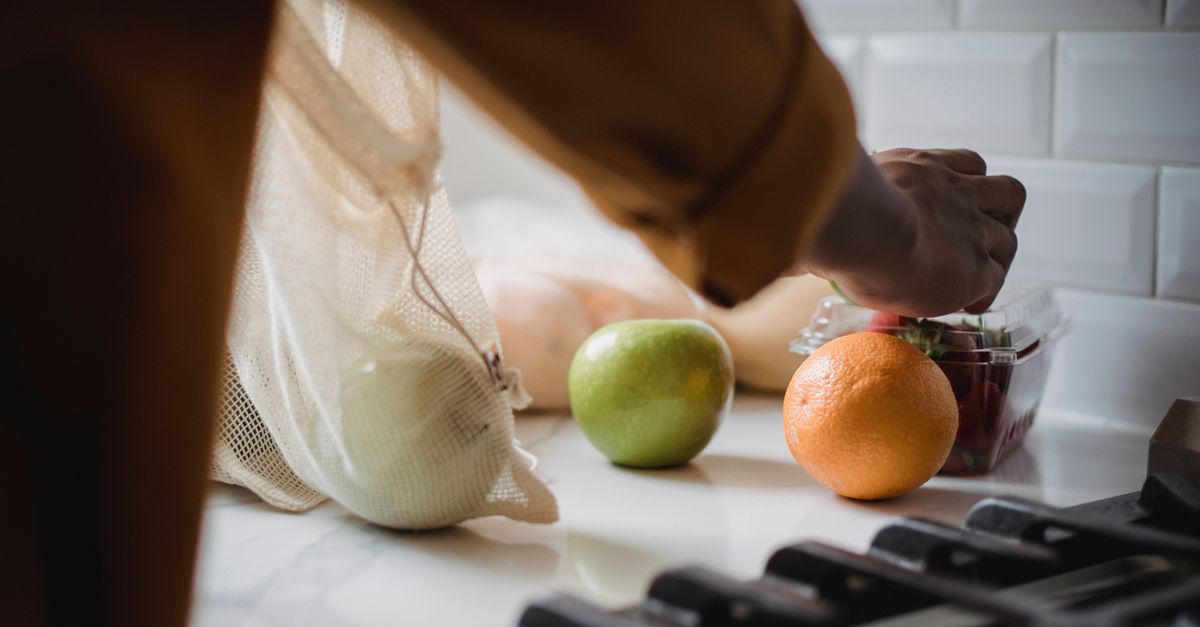
5. Eat fresh, not packaged. The less food that touches plastic, the better. Buy produce loose. Store leftovers in glass containers. It’s not rocket science, but it matters.
The Bigger Picture: We Need More Than Personal Choices
Let’s be real for a second. I can tell you to stop buying bottled water, but if the entire food industry wraps everything in plastic, that’s like telling someone to bail out a sinking boat with a teaspoon. Systemic change matters more than individual guilt.
The shocking part of this study isn’t just that plastic is in our blood. It’s that we’ve known about this problem for years and done almost nothing at the policy level. We need:
- Bans on single-use plastics (like the EU is doing)
- Better wastewater treatment (to catch microfibers before they reach rivers)
- Innovation in biodegradable materials (that actually break down)
So, What Now?
I’ve found that the most empowering response to scary news is action. Not panic. Not denial. Just small, consistent steps. You don’t have to become a plastic-free monk. But you can make three changes this week that lower your exposure. Your body will thank you.
And next time you see a news headline about plastic pollution, remember: it’s not just out there. It’s in here. In your blood. In your cells. In your future.
The question is: What are you going to do about it?