Researchers analysing the hind leg bones of a small carnivorous dinosaur called Aratasaurus say they have found structures resembling fossilised red blood cells, along with chemical traces of the molecule that carries oxygen in blood. The animal lived roughly 115 million years ago in what is now north-eastern Brazil, according to The Guardian, which reported the findings on Monday. The study appears in the Proceedings of the National Academy of Sciences.
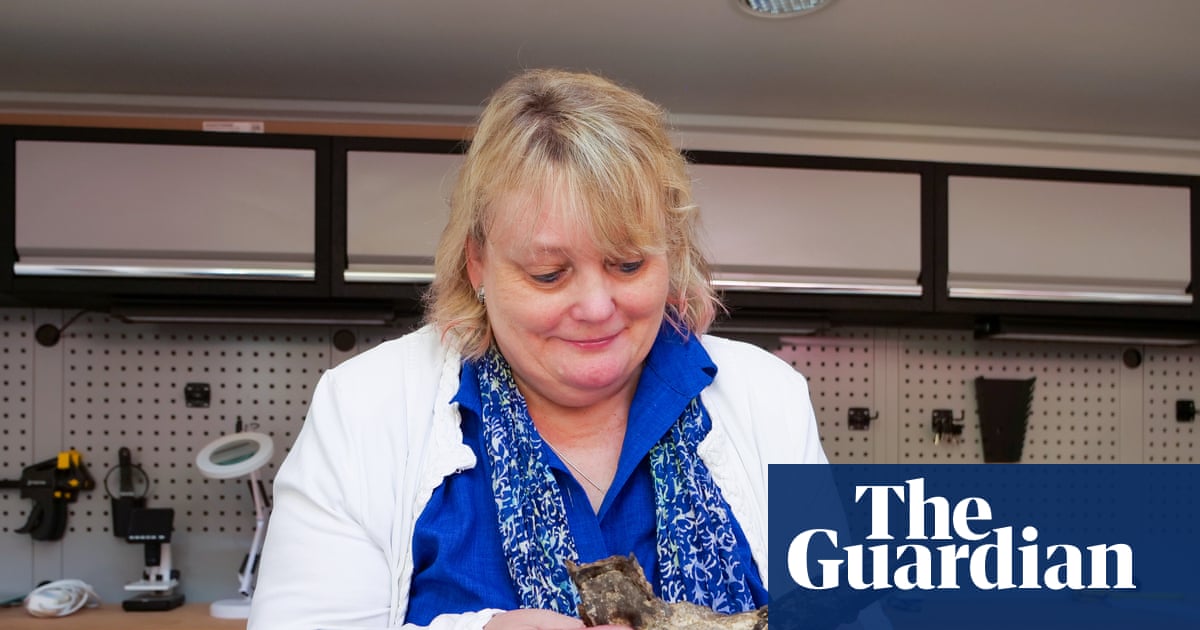
The team was led by Prof Kliti Grice of Curtin University in Western Australia. According to The Guardian, electron microscope images of the bone showed small, round shapes sitting in narrow channels where blood vessels once ran. Chemical testing then detected heme, the organic compound that allows haemoglobin to transport oxygen around the body.
Grice described the find as a first. "We are seeing a mineral and molecular echo of the dinosaur's original biology," she said, adding that fossilised red blood cells with chemistry linked to heme had never been found in place in any fossil, let alone a dinosaur's. The Guardian reports her calling it a world first.
Why it matters
Claims about soft tissue and blood surviving in deep time are contested, because biological material normally degrades quickly and leaves little behind. If this one holds up, The Guardian reports, it could give scientists a new way to study dinosaur blood, metabolism and even how active the animals were.
The fossil itself is not new. The Aratasaurus remains were unearthed in a mine in 2008 and are kept at the National Museum of Brazil, where research on them continues. Grice noticed the cell-like structures while examining the hind leg bones, according to The Guardian.
Chemical evidence and a possible route to preservation
The case for red blood cells rests on more than shape. The Guardian reports that chemical tests came back positive for heme and for substances produced when it breaks down. Testing also turned up traces of the amino acid building blocks of collagen, a protein central to connective and other tissues.
How such material could survive for so long is a separate question. Grice told The Guardian that hausmannite, a manganese compound that formed in and around the blood cells, may have helped by stabilising them before fossilisation. The same process, she suggested, might have protected the amino acids.
Not everyone accepts the identification. Prof Mary Schweitzer of North Carolina State University, who has previously reported remnants of blood vessels and soft tissue in dinosaur fossils, told The Guardian she is unconvinced the structures are red blood cells. She pointed to their shape: the dinosaur's red blood cells should carry a nuclear bulge that would make them appear domed on both sides, whereas the structures Grice found are concave, which in her view suggests they may be something else.
Schweitzer was more receptive to the heme and collagen amino acid results. She told The Guardian that exceptionally well-preserved fossils still have much to teach, and that the long-standing assumption in palaeontology — that original organic material vanishes within a million years or so — is being challenged regularly as new techniques are applied to specimens.
Grice herself is cautious about what the work means. She told The Guardian that any extraordinary claim requires extraordinary analytical evidence, and that her team's findings do not mean large biological molecules such as proteins or DNA persist in ancient fossils. The goal, she said, is not to hunt for Jurassic Park-style DNA but to establish how much genuine molecular information can survive over vast stretches of time.
She also raised a broader possibility: that significant molecular evidence may already be held in museum collections worldwide, awaiting fresh questions. The Guardian reports her saying that extraordinary molecular information may be sitting in collections, waiting to be examined with new methods.
What happens next will likely hinge on independent scrutiny of the Brazilian specimen and on whether other laboratories can reproduce the chemical signals in similarly preserved bones. Watch for follow-up studies testing the hausmannite preservation idea and for responses from researchers who work on fossil soft tissue.





