
Picture this: I'm standing in my kitchen last week, blindfolded, trying to catch a tennis ball my daughter is tossing at me. I missed. Badly. The ball bounced off my forehead, knocked over a coffee mug, and my dog hasn't looked at me the same since.
But here's the weird part—I felt it coming. Not the impact. The approach. That faint, inexplicable sense that something was moving toward me before my ears or skin could confirm it.
Turns out, I wasn't imagining things. And neither are you when you get that little tingle at the back of your neck. Scientists have been quietly uncovering what might genuinely be a "sixth sense" in the human brain—and it's not the mystical, fortune-telling kind we see in movies. It's far stranger, and honestly, far cooler.
The Sense You've Been Using Without Knowing Its Name
Let me introduce you to interoception—your brain's ability to sense what's happening inside your body. Your heartbeat. Your breathing. That flutter in your stomach before a big presentation. The subtle signals that tell you you're thirsty, tense, or about to crash from too much coffee.
Most of us grew up learning about five senses: sight, sound, smell, taste, touch. But researchers have found that interoception operates like an entire sensory system of its own—one that's been hiding in plain sight, quietly running in the background of every moment of your life.
I've found that understanding interoception completely changed how I think about my own anxiety. That knot in my chest before a difficult conversation? That's not random. That's my brain processing internal data I wasn't consciously aware of.
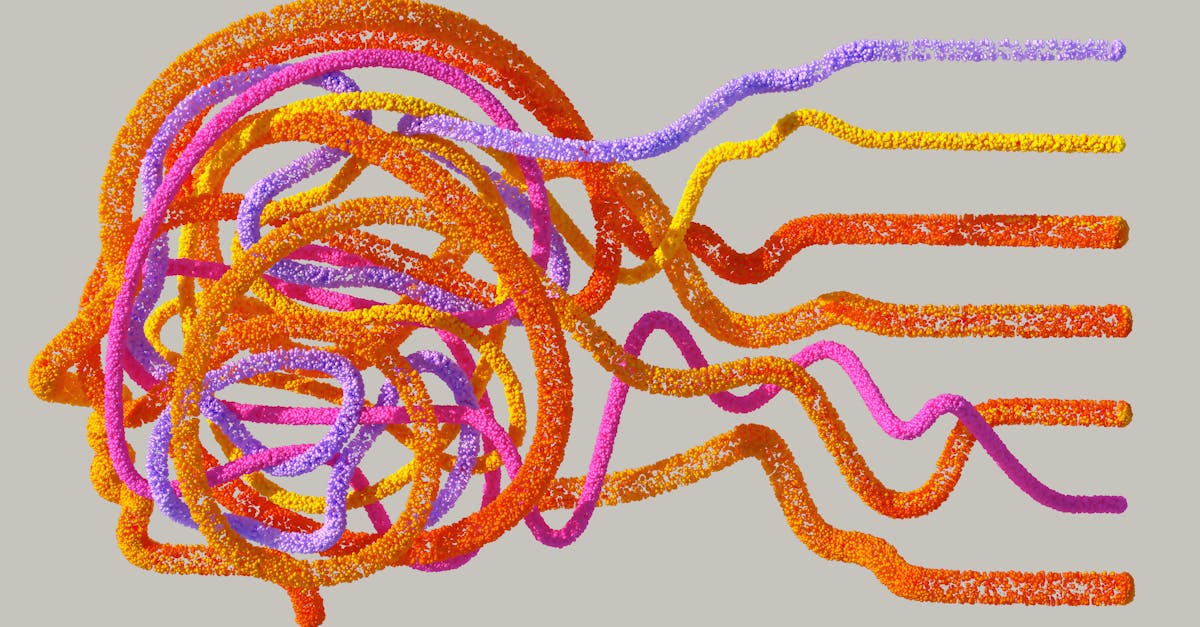
Inside the Brain's Secret Monitoring Station
Here's where it gets genuinely wild. Scientists have identified specific brain regions dedicated to this internal sensing—particularly the insular cortex, a wrinkled fold of tissue tucked deep within your brain. Think of it as your body's mission control center, constantly receiving updates from your heart, lungs, gut, and blood vessels.
A landmark study published in Nature Neuroscience showed that people with more accurate interoception—those who could precisely count their own heartbeats without checking their pulse—tended to make better decisions under pressure. They also showed greater emotional awareness and resilience.
Here's what most people miss: this isn't just about detecting physical sensations. Your insula helps translate those bodily signals into feelings. That "gut instinct" everyone talks about? It's not metaphorical. It's your brain reading internal data faster than your conscious mind can process it.
I remember reading about this and immediately thinking: so that's why I sometimes "know" something is wrong before I can explain why. The brain is literally sensing changes in my physiology before my thoughts catch up.

Why Some People Have a Stronger Sixth Sense Than Others
Not everyone's interoception is created equal. Research suggests individual differences in interoceptive accuracy can vary dramatically—and these differences matter more than we ever realized.
People with heightened interoception often report:
- Stronger emotional intuition—they "feel" emotions in their body before naming them
- Better stress regulation—they catch early warning signs of anxiety or burnout
- Enhanced decision-making—they trust physical signals that guide choices
- Greater empathy—they sense subtle physiological cues in others
Let's be honest—this research makes me wonder how many of my "irrational" fears were actually my insula working overtime.
The Shocking Truth About Training Your Sixth Sense
Here's the part that genuinely surprised me: you can train interoception. It's not fixed at birth. Studies show that practices like mindfulness meditation, focused breathing, and even regular exercise can sharpen your brain's ability to read internal signals.
Researchers at the University of California found that just eight weeks of mindfulness training significantly improved participants' interoceptive accuracy. They got better at detecting their own heartbeats, identifying subtle body sensations, and—crucially—responding to those signals with appropriate action.
Try this right now: close your eyes and try to count your heartbeat for thirty seconds without touching your chest. How close did you get? If you struggled, don't worry—most people do initially. But with practice, your brain can learn to tune into frequencies it's been ignoring.
I've been testing this myself for a few weeks now, and I swear I'm getting better at noticing when I'm getting stressed before it fully hits. Small thing, but it feels like unlocking a hidden feature in a video game.

What This Means for How We Understand Consciousness
The discovery of interoception as a full sensory system raises profound questions about the nature of consciousness itself. If our brains are constantly processing internal data we're not aware of, how much of our "self" is constructed from these hidden signals?
Some neuroscientists argue that interoception forms the foundation of self-awareness—that our sense of being a unified "I" emerges partly from the brain's continuous monitoring of bodily states. Your heart, your gut, your breath—they're not just keeping you alive. They're helping you feel alive.
That's a lot to process on a Tuesday morning. But it's also weirdly beautiful. The sixth sense isn't some supernatural ability. It's the most intimate sense you have—the one that connects your conscious mind to the flesh-and-blood machine that carries you through the world.
The Sense That's Been There All Along
So next time you get a weird feeling in your chest before something important happens, or you "just know" something's off about a situation, don't dismiss it. That's your brain's hidden sixth sense doing its job—processing information your conscious mind hasn't caught up to yet.
We've spent centuries looking outward, mapping the stars, cataloging species, building telescopes to peer at distant galaxies. Meanwhile, the most fascinating discovery might have been inside us all along.
Here's my challenge to you: spend five minutes today just noticing what your body is telling you. Not judging it, not trying to change it. Just listening. You might be surprised by what you hear.
Because the truth is, you have a sixth sense. You've always had it. You just didn't know its name.