
You know what’s wild? Over 60% of the world’s population—nearly 5 billion people—can’t read a single word of this article. Not because they don’t want to, but because the schools they attended (if they attended any at all) failed to teach them effectively. That statistic isn’t just a number; it’s a gut punch. It makes you wonder: are we even building schools the right way? Or are we just recycling a failed experiment from the 19th century?
Let’s be honest—I’ve spent way too many nights staring at research papers and classroom data, and here’s what I’ve found: most schools are designed for compliance, not curiosity. They’re like assembly lines for factory workers, not launchpads for thinkers. And that’s a problem, because the world has changed. The kids in those desks today are competing with AI, climate change, and a gig economy. So, what’s actually working? And what’s secretly sabotaging our kids’ potential? Let’s dig in.
The Shocking Lie About "Back to Basics"
We’ve all heard the rallying cry: "Schools need to get back to basics!" Reading, writing, arithmetic. Sounds noble, right? But here’s the truth that most people miss: "back to basics" is often code for "let’s ignore 50 years of cognitive science." I’m not saying foundational skills aren’t important—they are. But the way we teach them? It’s stuck in 1950.
Think about it. When was the last time you sat through a lecture without zoning out? Exactly. Yet, that’s still the default in most schools. A teacher stands at the front, talks for 45 minutes, and expects kids to absorb it all. Research from the National Training Laboratories shows that lectures have a retention rate of just 5%. Meanwhile, teaching others or practicing by doing? That jumps to 75-90%. So why aren’t schools doing more of that?
I’ve seen classrooms where kids are literally falling asleep at their desks. And we blame the kids. But maybe—just maybe—the system is the problem. The real "basics" should be critical thinking, collaboration, and adaptability. Not memorizing dates from a textbook that’s already outdated.

Why Finland’s Schools Are Laughing at Us
Let’s talk about Finland for a second. Because if you’re not jealous of their education system, you haven’t been paying attention. Finnish kids start school at age 7, have almost no homework, and take zero standardized tests until they’re 16. And guess what? They consistently rank in the top 10 globally for math, science, and reading.
Here’s what most people miss: Finland didn’t just tweak the curriculum—they flipped the entire philosophy. They trust teachers like doctors. Teachers in Finland have master’s degrees, are highly respected, and are given autonomy to design lessons that work for their students. Compare that to the U.S. or India, where teachers are often overworked, underpaid, and forced to "teach to the test."
I remember reading about a Finnish school where kids spent 45 minutes a day just playing outside. No structure, no learning objectives—just mud, trees, and scraped knees. And their academic performance improved. Why? Because play is the brain’s way of learning to solve problems. It builds resilience, social skills, and creativity. Meanwhile, we’re cutting recess to squeeze in more math drills. It’s almost comical if it weren’t so tragic.
The takeaway? It’s not about more school. It’s about better school. And better doesn’t mean harder.
The 3 Hidden Killers of Student Potential
After years of digging into education data and talking to teachers, I’ve nailed down three things that quietly destroy a child’s love for learning. And they’re not what you think.
- The Fear of Failure. Schools punish mistakes. Red pens, low grades, public shame. But here’s the thing: every major scientific breakthrough came from failure. Thomas Edison didn’t invent the light bulb on his first try—he found 10,000 ways that didn’t work. Yet, we teach kids that an "F" is the end of the world. It’s not. It’s data. We need to normalize failure as part of the process.
- The One-Size-Fits-All Myth. Ever tried to fit a square peg in a round hole? That’s what traditional schools do to kids. Some kids are visual learners, some are kinesthetic. Some need silence, others need background noise. But most schools force everyone into the same chair, same test, same pace. I’ve found that when you let kids learn in their own style, their engagement skyrockets. It’s not rocket science—it’s basic psychology.
- The Disconnect from Reality. How many times did you sit in math class and think, "When will I ever use this?" Probably a lot. Schools often teach abstract concepts without connecting them to real life. But *when kids see why something matters, they learn it faster and remember it longer. A friend of mine taught fractions by having kids measure ingredients for a pizza. They didn’t just learn fractions—they owned them.
The Science of "Boring" Subjects (And How to Fix Them)
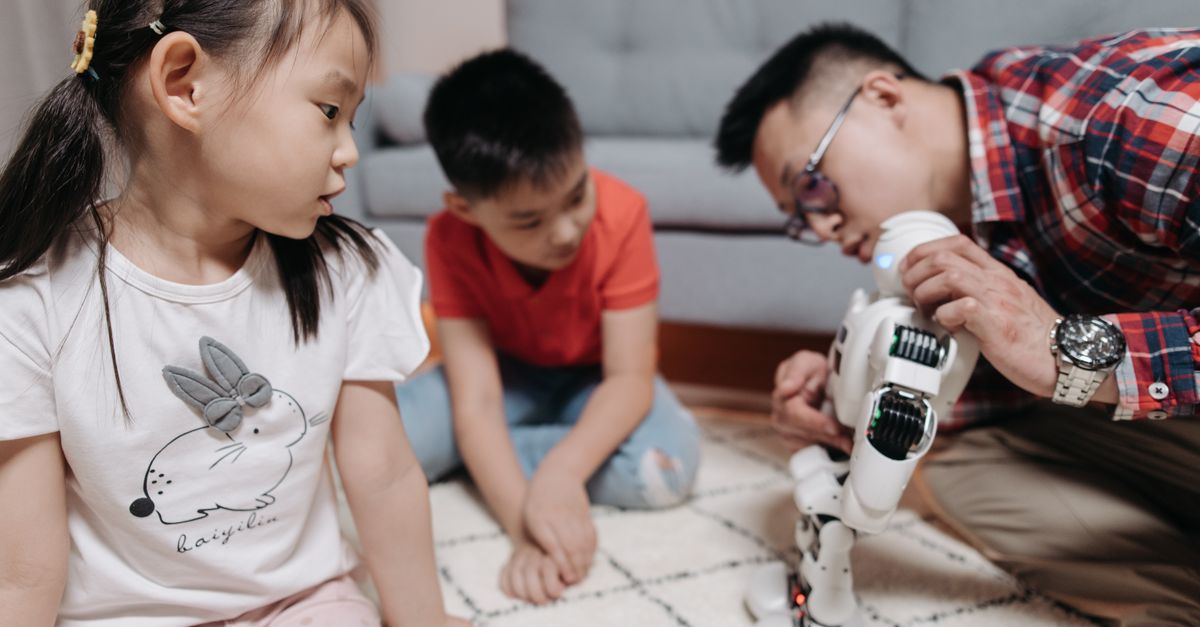
Let’s get real about science education. Most schools treat science like a museum—look at these facts, don’t touch, memorize for the test. But science is a verb, not a noun. It’s about asking questions, making messes, and being wrong. So why are we teaching it like a list of vocabulary words?
I once visited a school where the science teacher had kids build catapults to learn about physics. They didn’t just read about force and motion—they felt it. And here’s the kicker: those kids scored 30% higher on the end-of-year test than kids who learned from a textbook. Why? Because their brains were engaged. They had skin in the game.
The same applies to history. Instead of memorizing dates, what if kids reenacted a historical debate? Or math—instead of worksheets, what if they designed a budget for a fictional company? The secret is to make learning interactive. And it doesn’t require fancy tech. A cardboard box, some tape, and a curious question can do more than a $5,000 smartboard.
Here’s what I’ve found works like magic: Project-based learning. Give kids a real-world problem (like "How can we reduce plastic waste in our cafeteria?") and let them solve it. They’ll learn biology, chemistry, economics, and public speaking—all at once. And they’ll want to learn it.
The Elephant in the Room: Technology
Oh, technology. The savior and the villain of modern education. On one hand, AI tutors and online resources can personalize learning at scale. On the other hand, kids are glued to screens, and attention spans are shrinking. So what’s the right balance?
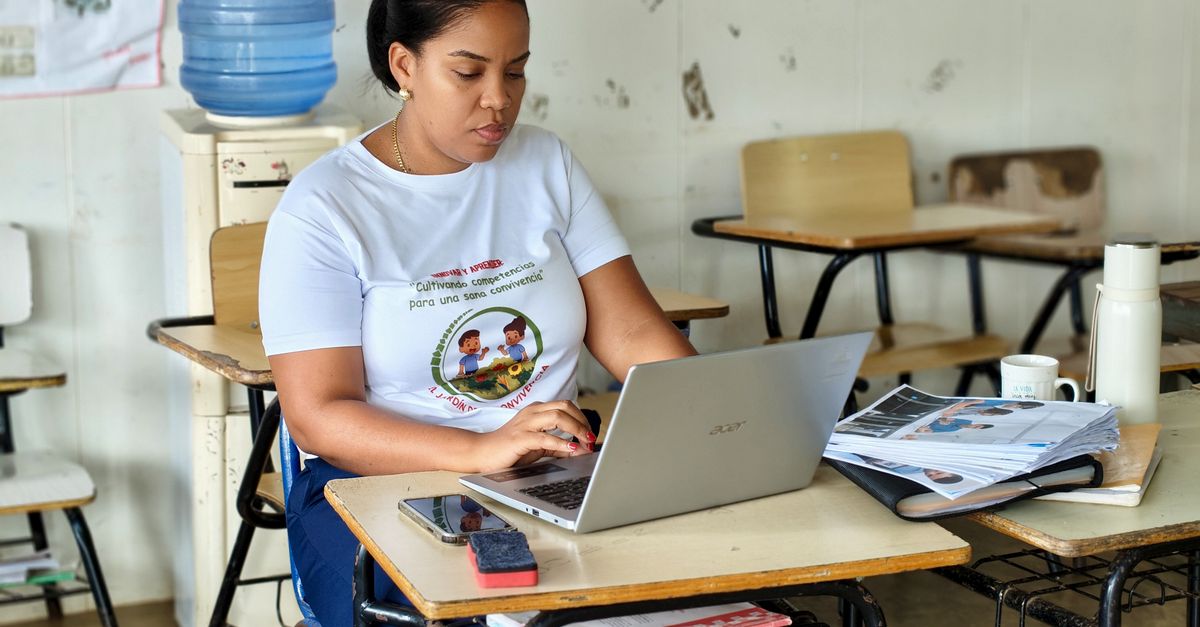
Here’s my hot take: Technology is a tool, not a teacher. A hammer doesn’t build a house—a carpenter does. Similarly, a laptop doesn’t educate a child—a skilled teacher does. The best schools I’ve seen use tech sparingly and intentionally. They might use an app for math drills (because repetition is boring but necessary), but they still prioritize face-to-face discussions and hands-on projects.
I’m also worried about the digital divide. Not every kid has Wi-Fi at home. When schools rushed to online learning during the pandemic, millions of students fell through the cracks. We can’t pretend technology is a silver bullet. It’s a supplement, not a replacement.
The smartest move? Teach kids how to use technology critically. Not just how to swipe and tap, but how to verify sources, spot misinformation, and manage screen time. That’s a skill that will serve them long after they’ve forgotten the Pythagorean theorem.
What Parents and Teachers Can Actually Do (Right Now)
I know this all sounds overwhelming. You’re probably thinking, "I’m not a policy maker—I can’t overhaul the system." And you’re right. But you can change the micro-environment around your kids or students. Here’s where to start:
- Ask better questions. Instead of "What did you learn today?" try "What made you curious today?" or "What did you fail at and what did you learn from it?"
- Embrace boredom. Stop filling every moment with activities. Boredom sparks creativity. Let kids sit with nothing to do—they’ll invent something.
- Model learning. Show your kids that you’re still learning. Read a book, take a course, admit when you don’t know something. Your attitude toward learning is contagious.
- Advocate for change. Talk to your school board. Ask for more project-based learning, less homework, and more recess. You’d be surprised how many administrators are open to it when parents speak up.
The Future of School Isn’t a Building
Here’s my final thought: The best "school" might not be a school at all. It’s a mindset. It’s a community. It’s a library, a park, a kitchen table. We’ve been so focused on the institution that we forgot the purpose: to help humans become their best selves.
Imagine a world where learning happens everywhere, all the time. Where a child learns biology by gardening, history by talking to grandparents, and physics by riding a bike. That’s not a fantasy—it’s the original way humans learned. We just forgot.
So the next time someone says "schools are failing," don’t just nod. Ask how. And more importantly, ask what can we do about it?* Because the system isn’t broken—it’s just outdated. And with a little courage, we can build something better. One classroom, one kid, one catapult at a time.





