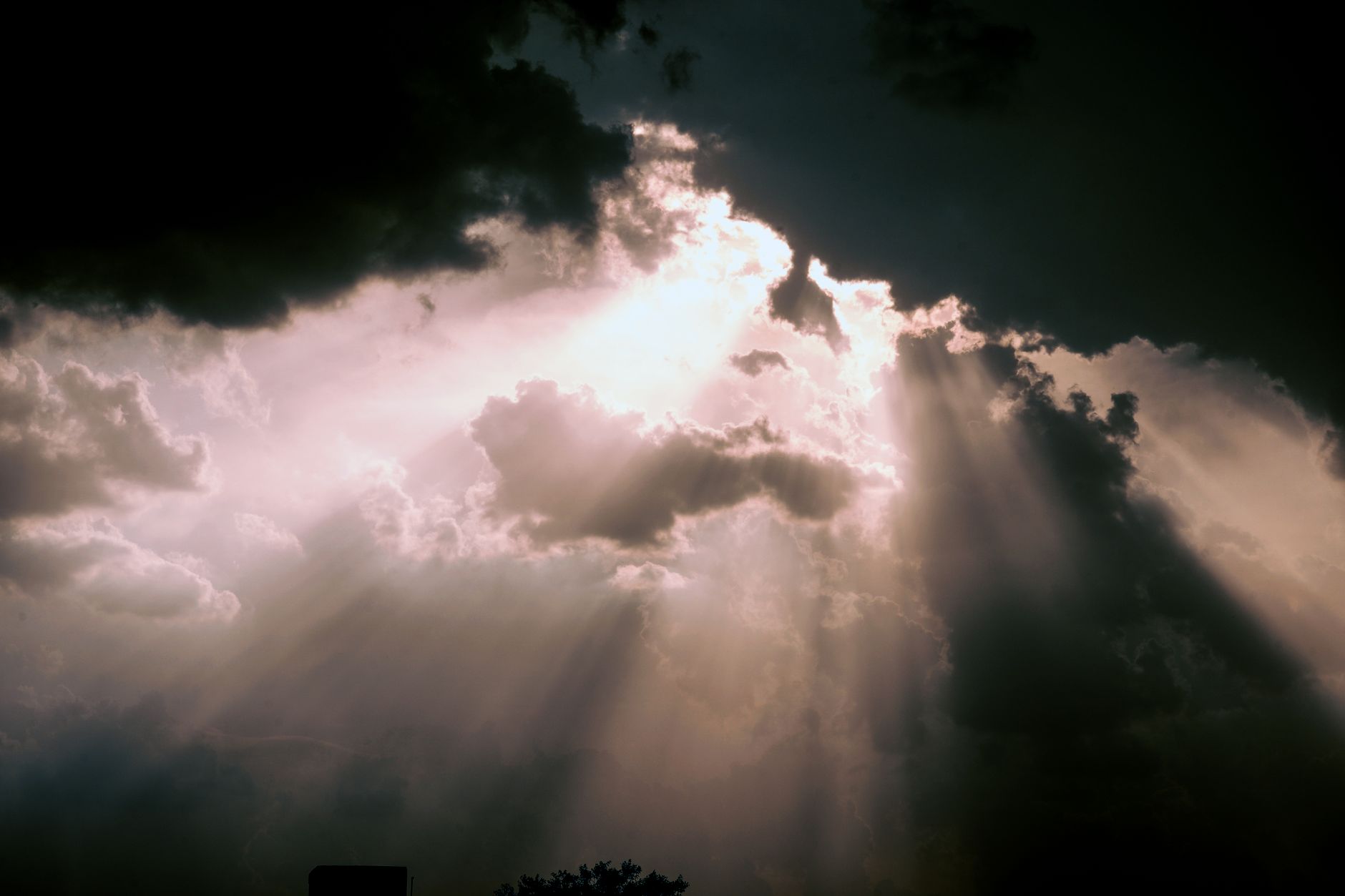
I remember the exact moment my thumb hovered over the red "Delete Account" button. It was 2:47 AM on a Tuesday. I had just spent forty-five minutes scrolling through a vortex of hot takes about a celebrity breakup, a cousin’s passive-aggressive meme about "energy vampires," and three ads for teeth whitening strips. My chest was tight. My soul felt like it had been run through a cheese grater. I wasn't angry. I wasn't sad. I was just... empty.
So I did it. I deleted the app. I didn't deactivate—I deleted. And for the next thirty days, I sat in what I can only describe as sacred solitude. Here’s the shocking truth no influencer will tell you: silence isn’t boring. It’s a spiritual superpower.

The Noise We Mistake for Connection
Let’s be honest for a second. Most of us aren't on social media to "stay connected." We’re there to feel seen. We post the vacation photo not to share the memory, but to collect the likes. We scroll through the feed not to learn, but to soothe the low-grade anxiety that we might be missing something.
But here’s what most people miss: constant connectivity is the enemy of depth.
In the faith tradition I grew up in, there is a concept called hesychia—a Greek word meaning "stillness" or "quiet." It’s the practice of silencing the external world so you can hear the internal whisper of the Divine. You cannot achieve hesychia while your phone is buzzing with a notification that Karen from high school just posted her avocado toast.
When I unplugged, I wasn't just quitting a bad habit. I was reclaiming my attention span—and my soul. Without the constant drip of dopamine hits, I finally had the bandwidth to sit still long enough to ask the question I’d been avoiding: Who am I when nobody is watching?
The Surprising Spiritual Benefits of Digital Fasting
I’m not saying social media is evil. I’m saying it’s a terrible substitute for prayer.
During my thirty-day digital sabbatical, I noticed three profound shifts that completely rewired my spiritual life:
- My prayer life stopped feeling like a performance. When you’re used to crafting the perfect caption, it’s hard not to treat God like an audience. Without the habit of curating my image, I started talking to God like a real person—messy, unfiltered, and honest.
- Boredom became a gateway to revelation. You know that uncomfortable feeling you get when you're standing in line without a phone? That’s not boredom. That’s your soul knocking on the door. In the silence, I started having insights that felt downloaded from somewhere beyond my brain.
- I stopped comparing my behind-the-scenes to everyone else’s highlight reel. This is the big one. Social media is a spiritual cancer when it comes to contentment. When I unplugged, I stopped feeling like my quiet life was insufficient. I actually started to love the small, holy moments—the way morning light hits the kitchen floor, the sound of my kid's laugh, the feeling of a deep breath.
The Hidden Danger: Digital Idolatry
Here’s where I need to get real for a second. I’ve found that social media often functions as a modern idol—not because we worship the screen, but because we give it the devotion that belongs to God alone.
Think about it. How many times have you checked your phone before you prayed? How many times have you reached for a notification faster than you reached for Scripture? The ancient prophets weren’t talking about smartphone apps, but the principle is timeless: anything that demands your constant attention, shapes your identity, and promises fulfillment is an idol.
When I unplugged, I realized I had been outsourcing my sense of worth to an algorithm. My spiritual life was shallow because I was feeding on crumbs. Sacred solitude forced me to eat the bread of life instead of the crumbs of validation.
How to Start Your Own Digital Sabbath (Without Going Full Hermit)
I’m not suggesting you go live in a cave. I’m not even suggesting you delete your accounts forever. But I am suggesting you try a digital fast—and treat it as a spiritual discipline, not just a detox.
Here’s a simple three-step plan that worked for me:
- Start small. Pick one day a week. Sunday, for example. Make it a true Sabbath—no screens, no news, no doom-scrolling. Just you, the world, and God. You’ll be shocked at how much time you suddenly have.
- Replace, don't just remove. Don’t just stare at the wall. Use that time for actual spiritual practices: read a physical Bible, take a nature walk, write in a journal, or have a real conversation with someone in the same room as you.
- Expect the withdrawal. The first three days are brutal. Your brain will scream for the dopamine hit. That’s normal. Push through. On the other side of that withdrawal is a peace that social media can never manufacture.
The Gift You Didn't Know You Needed
I won’t lie to you: the first week was hard. I felt phantom vibrations in my pocket. I almost instinctively typed "instagram.com" into my browser like a junkie reaching for a cigarette. But by week two, something shifted. The silence stopped feeling empty and started feeling sacred.
I started noticing things I hadn’t seen in years. The way the wind sounds different when you’re not wearing earbuds. The color of the sky at dusk. The weight of a book in your hands. And most importantly, I started hearing that still, small voice that had been shouting over the noise for years.
Sacred solitude isn’t about being lonely. It’s about being alone with the One who knows you completely. And let me tell you—once you taste that kind of presence, the likes and comments start to feel like the cheap plastic toys they really are.
So here’s my challenge to you: try unplugging for just 24 hours. Not as a self-improvement hack, but as an act of worship. See what happens when you stop performing and start listening. The results might just change everything.