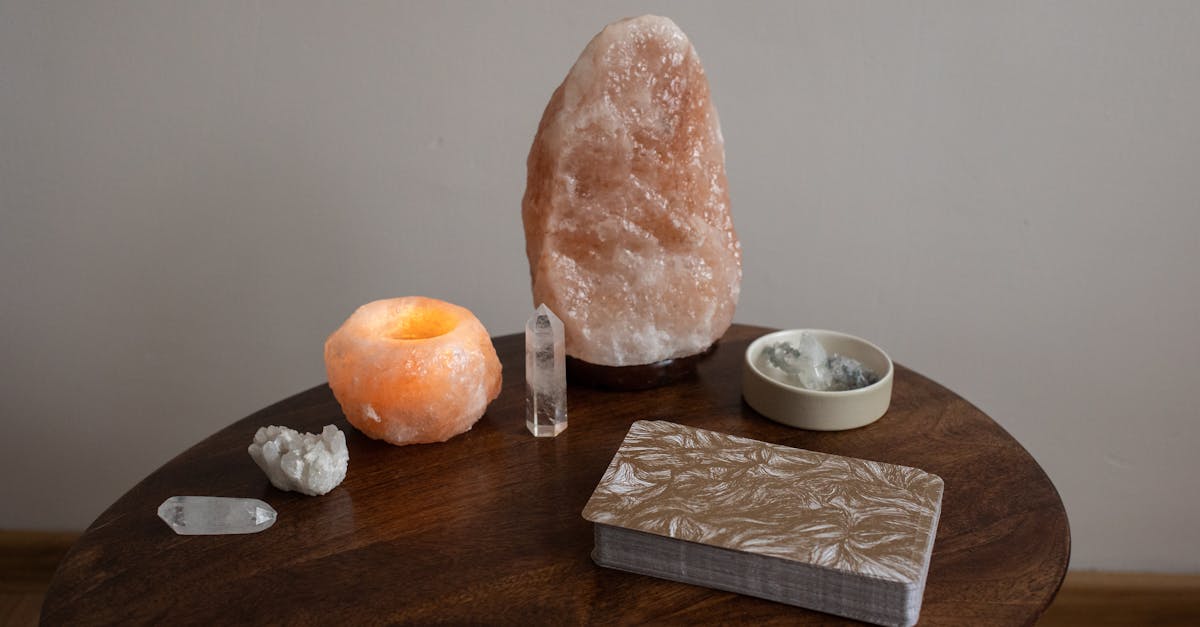
Let me tell you something that might shake up your idea of what "self-care" really means.
I used to think self-care was all about bubble baths, face masks, and saying "no" to extra work. Don't get me wrong — I love a good lavender soak as much as the next person. But here's what I've discovered after years of chasing that fleeting calm: real self-care isn't about escaping life. It's about grounding yourself in something bigger than your to-do list.
And the crazy part? Some of the most powerful self-care practices on the planet have been around for thousands of years — long before anyone coined the term "mindfulness" or started selling $40 candles.
Modern science is finally catching up to what our ancestors knew all along. Today, I want to walk you through three ancient faith practices that research now validates as essential for mental, emotional, and even physical well-being. Let's dive in.

The Surprising Science Behind Silent Prayer (It's Not What You Think)
Let's be honest — when most people hear "prayer," they picture someone kneeling, eyes closed, asking for stuff. A new job. Healing for a sick relative. Maybe a parking spot when you're running late.
But here's what most people miss: silent, contemplative prayer is one of the most neurologically powerful self-care tools available to us. And it's free.
Studies from institutions like Harvard and Duke have shown that regular prayer — particularly the kind that involves stillness, gratitude, and surrender — can lower cortisol levels, reduce blood pressure, and even increase gray matter in the brain's prefrontal cortex. That's the part responsible for focus, emotional regulation, and decision-making.
Think about it. When you practice silent prayer, you're essentially doing what neuroscientists call "attentional training." You're pulling your mind away from the chaos of the day and anchoring it in something steady. It's like weightlifting for your brain's ability to stay calm under pressure.
I've personally found that even five minutes of silent prayer before I check my phone in the morning sets a completely different tone for my day. It's not about getting answers. It's about showing up, being still, and remembering you're not the one in control of everything.
The ancient monks knew this. They called it hesychia — a Greek word meaning stillness, silence, rest. They believed that in the quiet, you could encounter the divine. Modern science just calls it stress reduction. Call it what you want — it works.
Why Fasting Is Secretly the Best Reset Button for Your Body and Mind
Okay, I know what you're thinking. Fasting? That sounds like deprivation, not self-care. But hear me out.
Every major world religion has some form of fasting — Ramadan in Islam, Yom Kippur in Judaism, Lent in Christianity, various practices in Buddhism and Hinduism. And for centuries, it was seen as a spiritual discipline. A way to humble yourself, to focus on prayer, to detach from physical cravings.
But here's the kicker: modern science is now proving that intermittent fasting triggers profound cellular repair mechanisms. When you stop eating for 12-16 hours, your body shifts into what researchers call autophagy — a process where your cells clean out damaged components and regenerate new, healthier ones.
This isn't fringe wellness stuff. This is Nobel Prize-winning research (thanks to Dr. Yoshinori Ohsumi in 2016). Fasting reduces inflammation, improves insulin sensitivity, and even boosts brain-derived neurotrophic factor (BDNF), which is like fertilizer for your brain cells.
But here's the part the wellness industry doesn't tell you: the spiritual component matters. When you fast with intention — as a sacrifice, a prayer, a moment of surrender — it changes your relationship with food and comfort. You stop eating out of boredom or anxiety. You start eating with gratitude and discipline.
I've tried both "biohacking" fasts and faith-based fasts. The difference is night and day. The former made me feel like a science experiment. The latter made me feel grounded, connected, and strangely peaceful.
If you want to try this, don't just skip meals. Set an intention. Light a candle. Pray or meditate during the times you'd normally eat. Watch how your mind clears and your heart softens.

The Hidden Power of Ritual (Your Brain Craves It More Than You Know)
Let's talk about ritual. Not the dry, repetitive kind that makes you feel like you're just going through the motions. I mean intentional, embodied practices that mark time and connect you to something sacred.
Ancient faith traditions are full of them: lighting candles, making the sign of the cross, bowing toward Mecca, chanting mantras, washing before prayer. These aren't arbitrary rules. They're physical anchors for spiritual realities.
And guess what? Research in behavioral science and psychology shows that rituals reduce anxiety, increase focus, and create a sense of control in uncertain situations. A study published in the Journal of Experimental Psychology found that people who performed a simple ritual before a stressful task performed better and felt less anxious than those who didn't.
Why? Because rituals engage your brain's predictive processing. They tell your nervous system, "We've done this before. We know what comes next. You're safe."
I've found that building small, sacred rituals into my day — lighting a candle before I write, saying a blessing over my morning coffee, taking three deep breaths before I walk through my front door — transforms ordinary moments into miniature sanctuaries.
You don't need to belong to a specific religion to benefit from this. The key is intention. Do the same thing, at the same time, with the same focus, day after day. Your brain will start associating that action with calm, presence, and meaning.
The ancient Israelites had a word for this: kavanah — the intentional focus of the heart during prayer or ritual. It's not about perfection. It's about showing up with your whole self.
How to Start Your Own Sacred Self-Care Practice Today
If you're feeling inspired but overwhelmed, I get it. We live in a world that screams "more, faster, better" at us every second. The idea of adding anything to your day can feel suffocating.
But here's the truth: sacred self-care isn't another task. It's a permission slip to slow down.
Start small. Pick one practice from this article and try it for one week:
- Silent prayer — 5 minutes before you check your phone each morning
- Intention-based fasting — skip one meal and use that time for reflection
- Daily ritual — light a candle, say a blessing, or take three breaths before a specific activity
The ancients understood something we've forgotten in our rush to optimize, hack, and maximize everything: true self-care isn't about filling a cup that's empty. It's about reconnecting to the source that never runs dry.
So go ahead. Light that candle. Sit in the silence. Skip that meal with intention. Your body, mind, and soul will thank you.
And honestly? The science is just catching up to what your heart already knows.