
My buddy Marcus called me last Tuesday, and I could hear the exhaustion in his voice before he even said hello. He'd just finished a 90-minute commute — 90 minutes! — to sit in a cubicle and do the exact same Zoom calls he'd been doing from his kitchen table for two years. His company had just announced a "return to office" mandate, and the kicker? His manager works from another state. You can't make this stuff up.
Here's the thing: Marcus isn't alone. Millions of workers are stuck in this bizarre limbo where companies demand butts in seats while the work itself hasn't changed one bit. But something interesting is happening beneath the surface. A growing wave of companies are quietly ditching the old playbook entirely — and what they're building instead might just be the future of work.

The Great RTO Reckoning Nobody Saw Coming
Let's be honest — the "return to office" wars have gotten ugly. Amazon, Google, Salesforce, and a parade of other giants have been cracking the whip, and the results have been... mixed, to put it politely. Attrition spiked. Employee engagement tanked. And here's what most people miss: the companies forcing people back aren't seeing the productivity gains they promised shareholders.
I've found that when you dig into the actual data, the picture gets even murkier. Stanford research showed hybrid work didn't hurt productivity at all. Microsoft's own studies found that return-to-office mandates actually slowed hiring and retention. It's almost like forcing people into traffic jams and open-plan distractions wasn't the productivity hack executives thought it was.
So while the headlines scream about RTO mandates, a quieter revolution is brewing. Companies like Atlassian, Dropbox, and GitLab have gone all-in on something radically different. They're not just "remote-friendly" — they've rebuilt their entire operating model around asynchronous work, outcome-based performance, and genuine flexibility. Welcome to Remote Work 3.0.
What Remote Work 3.0 Actually Looks Like (Spoiler: It's Not Just Zoom Forever)
First, let's clear something up. Remote Work 1.0 was the pandemic scramble — laptops on ironing boards, kids crashing meetings, everyone pretending it was fine. Remote Work 2.0 was the hybrid compromise — three days in, two days out, nobody happy about it. Remote Work 3.0? That's where companies stop treating location as a proxy for commitment and start treating output as the only metric that matters.
Atlassian calls it "Team Anywhere." Dropbox calls it "Virtual First." GitLab wrote an entire handbook on it. The common thread? These companies realized that the office was never actually the point. The work was.
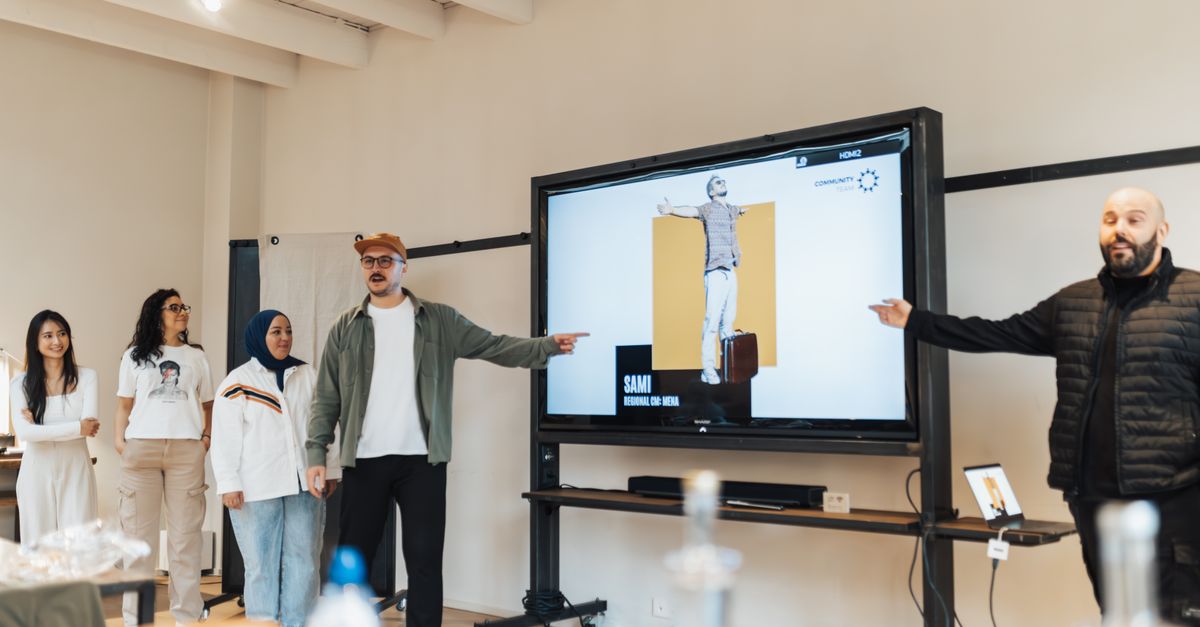
Here's what separates the 3.0 crowd from everyone else playing pretend:
- Async by default — Meetings are the exception, not the rule. Written communication is king.
- Outcome-based evaluation — Nobody cares when you logged on. They care what you shipped.
- Intentional in-person gatherings — When teams do meet up, it's for strategy, bonding, and celebration — not passive-aggressive surveillance.
- Location-agnostic hiring — Talent pools expand from "within commuting distance" to "anywhere with decent wifi."
- Documentation culture — Every decision gets written down. No more "you had to be there" gatekeeping.
The Hidden Superpower: Trust (Yes, Really)
I know what you're thinking. "But how do you know people are actually working?" It's the question every skeptic asks, and it reveals more about them than about remote work itself. If you can't tell whether your employees are working without watching them, you've got a management problem, not a remote work problem.
Remote Work 3.0 companies figured this out early. They hired adults, set clear expectations, and then... let them work. Revolutionary, right?
The trust dividend is real. When people don't feel surveilled, they bring more of themselves to the job. They solve problems creatively. They stay longer. They refer friends. The companies that get this are absolutely crushing it on retention while their RTO-mandating competitors hemorrhage talent.
Let's be honest — the office was never a productivity tool. It was a control tool. And the companies clinging to it are discovering that control is expensive when your best people have options.
The Companies Betting Big (And Winning)
Want names? Here's who's actually walking the walk:
Automattic — 2,000+ employees across 90 countries. No offices. They've been doing this since 2005, and they power over 40% of the entire web through WordPress. If that's not validation, I don't know what is.
Zapier — Fully remote since day one. They've built a billion-dollar automation platform with zero headquarters and a "default to async" philosophy baked into everything.
Doist — The makers of Todoist and Twist. They wrote the book on async work culture, literally. Their employee handbook is public, and it's a masterclass in Remote Work 3.0 principles.
Buffer — Transparent salaries, fully remote, and a radical commitment to work-life balance that includes mandatory time off. They've been profitable and growing for years.
What do these companies have in common? They stopped trying to recreate the office online and started building something new entirely.
The Playbook for Going 3.0 (Without Burning It All Down)
Thinking about making the leap? Here's what I've learned from watching companies succeed and fail at this transition:
- Start with why, not how. If leadership doesn't genuinely believe in the model, it'll fail. Performative flexibility is worse than honest rigidity.
- Invest in async infrastructure. That means documentation tools, clear communication norms, and training people to write well. Yes, writing is a skill you need to teach.
- Redefine performance metrics. Shift from hours logged to outcomes delivered. This requires managers who can actually manage, not just supervise.
- Create intentional connection. Remote doesn't mean isolated. Budget for retreats, virtual team-building, and genuine relationship-building opportunities.
- Be patient. This is a multi-year transformation, not a policy announcement. Expect friction. Learn from it.

Marcus ended up leaving his job three weeks after that phone call. He's now working for a Remote Work 3.0 company, making more money, and — get this — he actually likes his coworkers. His old employer is still mandating three days in the office. Their best engineers keep quitting.
The writing's on the wall, folks. The companies clinging to the past are fighting a war they've already lost. The ones building Remote Work 3.0? They're not just surviving the future — they're defining it.
So here's my challenge to you: if you're in leadership, ask yourself honestly whether your policies are about results or control. If you're an employee, start looking for companies that get it. And if you're somewhere in between, well... now you know what's possible.
The office isn't dead. But the idea that it's the only place work can happen? That's on life support. And honestly? Good riddance.





