I remember the first time I tried to explain quantum computing to my aunt. She stared at me like I’d just told her I was dating a unicorn. “So… it’s a computer that can be in two places at once?” she asked, half-serious. I laughed, but honestly? She wasn’t far off. That was five years ago. Fast forward to today, and quantum supremacy isn’t a sci-fi pipe dream anymore. It’s real. And it just happened.
Let’s cut the fluff: In late 2024, a team of researchers announced they’d achieved quantum supremacy—a term that sounds like a Marvel movie villain’s goal, but actually means a quantum computer solved a problem that would take the world’s best classical supercomputer thousands of years to crack. In minutes.
I know, I know. You’re thinking, “Okay, Chiamaka, but what does that actually mean for me? I’m still waiting for my laptop to stop crashing during Zoom calls.” Fair point. But trust me, this is bigger than a faster processor. This is the moment computing stopped playing checkers and started playing 4D chess.

The 3 Things Most People Get Wrong About Quantum Supremacy
Here’s what I’ve found after digging through the research papers and watching way too many YouTube explainers: most people think quantum supremacy means “quantum computers are now better at everything.” Wrong. That’s like saying because Usain Bolt can sprint 100 meters in 9 seconds, he can also win a marathon. Nope.
Let me break it down:
- It’s not about speed—it’s about the type of problem. Quantum computers shine on specific tasks: factoring huge numbers, simulating molecules for drug discovery, optimizing complex systems. Your Excel spreadsheet? Not impressed.
- It’s not a replacement for your laptop. Classical computers are still kings of everyday tasks. Think of quantum supremacy as proof that a new tool exists, not that the old one is obsolete.
- It’s not a single event. We’ll see multiple “supremacy” milestones. This one is a big deal, but it’s the first step of a thousand-mile journey.
Why This Feels Like the “Wright Brothers” Moment for Computing
I’ve been writing about tech for years, and I’ve seen hype cycles come and go. Blockchain? Metaverse? You name it. But quantum supremacy feels different. It’s not a promise—it’s a demonstration.
Here’s what most people miss: the first flight at Kitty Hawk lasted only 12 seconds. Nobody immediately booked a transatlantic ticket. But that moment changed everything because it proved flight was possible. Same thing here. The quantum computer that achieved supremacy didn’t cure cancer or break encryption. It performed a calculation so niche that even the researchers called it “pointless” in any practical sense.
But the point wasn’t the calculation. The point was proving that quantum mechanics can be harnessed to do something a classical machine fundamentally cannot. That’s the shift. We’ve gone from “maybe one day” to “it works, now let’s make it useful.”

The Quiet Revolution: What’s Actually Happening Inside the Machine
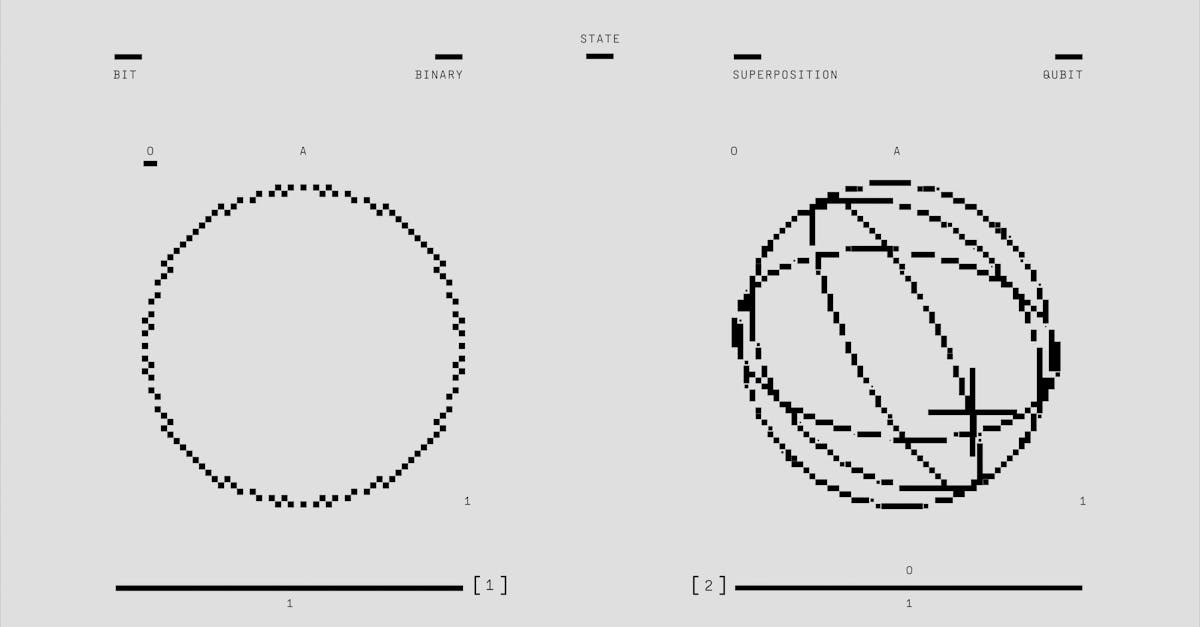
Let’s get a little nerdy, but I promise to keep it painless. You know how classical computers use bits—0s and 1s? Quantum computers use qubits. A qubit can be 0, 1, or both at the same time (thanks to superposition). Add entanglement (where two qubits are linked so that changing one instantly affects the other, even across the universe), and you’ve got a machine that explores multiple solutions simultaneously.
The breakthrough here wasn’t just having enough qubits. It was error correction. Quantum states are fragile—they collapse if you sneeze too loud. The team behind this achievement found a way to keep the qubits stable long enough to complete the calculation. That’s the hidden hero of this story.
Think of it like building a sandcastle. Anyone can pile sand. But keeping it standing when the tide comes in? That’s the real skill. This team built a sandcastle that didn’t just survive the tide—it thrived.
4 Industries That Will Be Shaken (and Stirred)
Now, let’s talk about the fun part: what changes. Because quantum supremacy isn’t just a lab curiosity. It’s a heads-up for entire industries. Here’s where I’m placing my bets:
- Drug Discovery & Healthcare: Simulating molecular interactions is quantum’s sweet spot. We’re talking about designing drugs in days instead of decades. Alzheimer’s, cancer, rare diseases—quantum could shatter the timelines.
- Cybersecurity: This is the scary one. Quantum computers can crack current encryption methods (like RSA) by factoring large numbers exponentially faster. The race is on to build “quantum-resistant” encryption before the bad guys get their hands on one.
- Finance & Logistics: Optimizing supply chains, portfolio risk analysis, trading algorithms—anywhere you need to evaluate a massive number of possibilities simultaneously. Wall Street is already salivating.
- Climate Modeling: Simulating complex climate systems with unprecedented accuracy. If we can predict weather patterns or carbon capture methods better, we might actually have a fighting chance.
The Elephant in the Room: Should You Be Worried?
Let’s be honest for a second. Every time a new technology emerges, there’s a shadow side. Quantum supremacy is no exception. The most immediate concern? Encryption Armageddon. If a sufficiently powerful quantum computer gets into the wrong hands, all your online banking, private messages, and government secrets could become open books.
But here’s the thing: we saw this coming. Researchers have been developing post-quantum cryptography for years. The National Institute of Standards and Technology (NIST) already has draft standards. It’s not a panic button—it’s a wake-up call.
I’ve also found that people worry about job displacement. Will quantum computers replace programmers? Unlikely. They’ll augment them. Think of it like calculators replacing mathematicians—they didn’t. They just made the boring parts faster. Same here. Quantum computers will handle the heavy lifting, but humans will still design the problems and interpret the results.
What’s Next? The 3-Year Prediction
I’m not a fortune teller, but I’ve watched enough tech cycles to spot patterns. Here’s what I think unfolds in the next three years:
- Year 1: More supremacy claims from different teams (Google, IBM, Chinese researchers). Expect a “quantum supremacy race” narrative in the news.
- Year 2: First practical applications emerge—probably in drug simulation or financial modeling. Not mainstream, but demonstrably useful.
- Year 3: Quantum-as-a-Service becomes a thing. You won’t buy a quantum computer. You’ll rent time on one through the cloud, just like you use AWS or Google Cloud today.
The Bottom Line (No Boring Conclusion)
Look, I’m not saying you need to learn quantum physics tomorrow. But I am saying this: the future of computing just got a lot more interesting. Quantum supremacy isn’t a final destination—it’s a signpost. It says the road ahead is real, it’s paved, and we’re already driving.
So here’s my challenge to you: the next time someone says “quantum computing is decades away,” smile and tell them it already arrived. It just didn’t bring a parade.
Now, go cancel your Netflix subscription. You’ll need the time to learn qubits. (Okay, maybe not. But seriously, keep an eye on this space.)