Two near misses involving autonomous vehicles (AVs) in Punggol on Thursday (Nov 5) have prompted the Land Transport Authority (LTA) to order partial pauses on testing, CNA reports. In one incident, a Grab AV came close to a young girl crossing at a traffic junction while making a discretionary left turn; in the other, a ComfortDelGro (CDG) AV turned into the path of an approaching vehicle as it tried to make a U-turn at a junction along Punggol Field.
Both vehicles were on new routes being trialled for enhanced on-demand services, not on their established fixed shuttle routes, according to CNA. The LTA is investigating both cases and has told Grab to halt testing at such junctions until the probes conclude, while CDG has been directed to stop U-turns at the Punggol Field junction as a precaution.
Why it matters
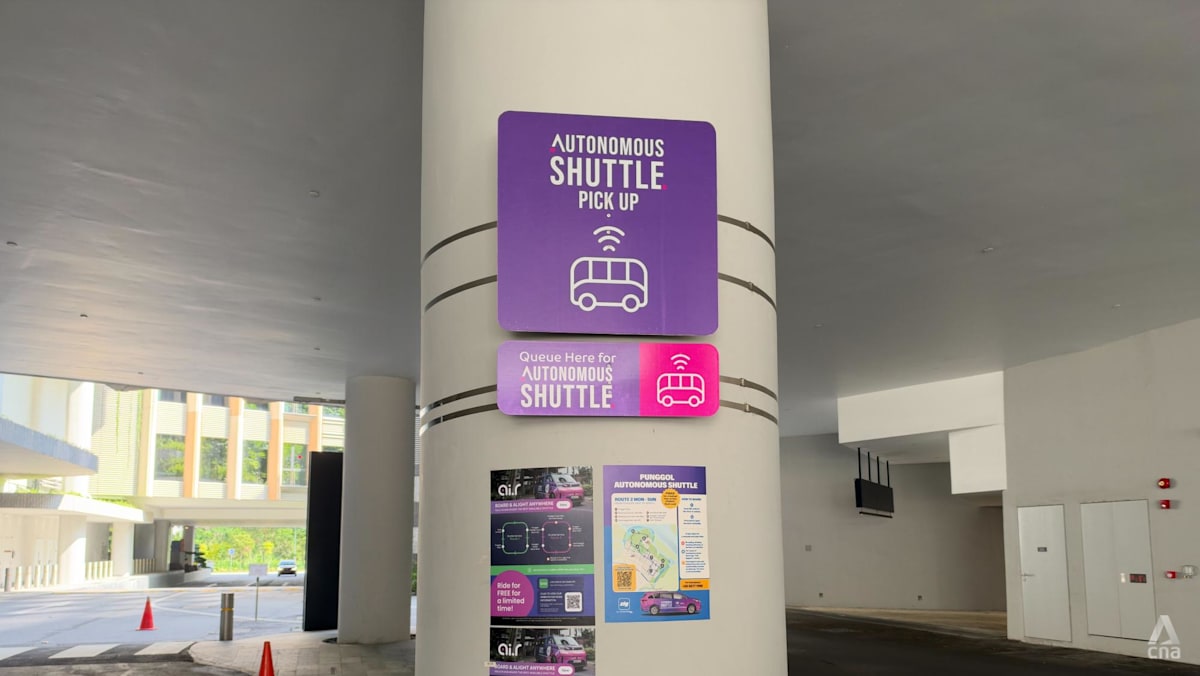
The incidents land at a sensitive moment for Singapore's AV ambitions. The Ministry of Transport (MOT) has said autonomous vehicles are being trialled to supplement the public transport network, and in Punggol the fixed-route shuttles are meant to link residents more directly to amenities such as MRT stations and polyclinics. According to MOT figures cited by CNA, 15 passenger AVs were operating in Punggol as of Nov 3 — a small fleet, but one that puts the technology in daily contact with families, schoolchildren and other road users.
How the LTA handles these two cases will therefore shape public confidence well beyond Punggol. The town has effectively become the visible test bed for driverless transport in Singapore, and every near miss is now scrutinised by residents who live alongside the vehicles rather than merely reading about them.
Parents voice concern as operators pause routes
CNA spoke to 12 Punggol residents, and parents of young children were the most anxious after the incidents. Mr Tan Kar Yeow, 46, a research engineer with a five-year-old and an eight-month-old, said he was somewhat worried and sceptical about boarding the vehicles with his family. He added that even away from the vehicles, crossing the road with young children now requires an extra lookout for AVs, and suggested industrial areas or university campuses with fewer children might suit testing better.
Mr Amri Hakim Mohamed Alias, 41, and his wife told CNA they would not object to riding in an AV themselves but keep their distance when out with their three children. They teach their children to wait until a vehicle has fully stopped before crossing, and apply the same rule to autonomous ones. Ms Nurul Farhah Zulkiflee, 28, who lives near the junction where the Grab AV nearly struck a schoolgirl, described being shocked and frightened by the reports and said she did not want her niece or nephew caught up in anything similar.
Some motorists also expressed unease. Civil servant Mr Teo, 37, said the AVs travel slowly and he tries to avoid driving near them, adding that he does not yet trust the technology and finds the vehicles harder to predict.
The two incidents follow an earlier one in January, when a CDG AV struck a road divider during testing. The LTA later determined that the collision happened after the safety officer inside the vehicle took manual control, CNA reports.
Support for trials, with caveats
Despite the safety worries, the residents CNA interviewed largely wanted the trials to go on, even where they had no plans to use the services themselves. One resident, a tutor named Mr Lou, argued that someone has to go first and that Punggol makes sense as the pioneer because the town is intended as a proving ground for new technology. Testing in a newer, less crowded town such as Tengah might be safer, he said, but would offer a less realistic environment.
Mr Heng, 29, who works in healthcare, said he takes pride in his neighbourhood sitting at the forefront of innovation in Singapore. He backed a short, targeted pause but warned against overreacting at the first sign of trouble, saying trials are unlikely to run entirely smoothly and that the priority should be learning from incidents and refining the systems.
The operators involved have different track records in the town. Grab runs its self-driving shuttles with WeRide and opened them to the public on Apr 1, after trials in Punggol began in September 2025. ComfortDelGro's shuttles, run with Pony.ai, launched in June this year. In LTA post-ride surveys in July, 99 per cent of about 900 respondents said they felt safe during their ride and would recommend it, according to CNA.
The next signal to watch is the outcome of the LTA's investigations and when the paused testing at the affected junctions resumes.