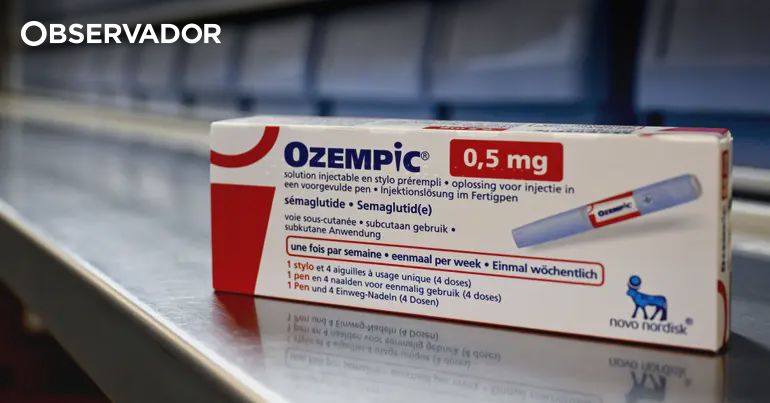
Portugal will cover 15% of the cost of obesity medicines for patients enrolled in a specific hospital monitoring programme, according to a government order published on Thursday and reported by Observador. The Associação Protetora dos Diabéticos de Portugal (APDP) responded the following day, calling the level of reimbursement insufficient and warning that obesity cannot be tackled with short-term thinking. The association set out its position in a statement issued on Friday.
Under the order, the state subsidy applies only to patients followed at the non-surgical hospital care unit of the multidisciplinary obesity team (EMO) within their local health unit (ULS). Prescriptions must come from endocrinologists, internal medicine specialists or paediatricians, and patients must be part of a multidisciplinary approach that includes planned physical activity alongside nutritional and psychological support.
Why it matters
The APDP argues that obesity sits behind more than 200 associated conditions, and that treating it is a way of preventing complications further down the line. According to the association, preventing obesity could cut new cases of type 2 diabetes by 80% and allow thousands of people already living with diabetes to go into remission. It describes obesity as the root from which type 2 diabetes grows.
The association's president, José Manuel Boavida, said fewer cases would mean fewer people with kidney failure, amputations, blindness and low vision, as well as fewer heart attacks, strokes and hospital admissions — and less demand on health services overall.
Hospitals only, and a twelve-month limit
The APDP's criticism centres on where treatment is delivered and how long it is supported. Boavida said confining obesity treatment to hospitals would "generate chaos", because patients would need to be referred for a hospital appointment, adding bureaucracy to primary care.
Carolina Neves, a doctor with the association, said restricting reimbursement to those who manage to obtain a hospital consultation preserves inequalities and undermines fairness of access. She also argued that capping reimbursement at 12 months does not suit any chronic disease, obesity included.
Boavida said 15% is far too low, and that broader patient access to the medicines would give the state room to negotiate better prices with the pharmaceutical industry and secure affordable reimbursement across all levels of care.
Family doctors add their criticism
The complaints echo those made a day earlier by family doctors. Nuno Jacinto, president of the Portuguese Association of General and Family Medicine (APMGF), told the Lusa news agency that the government was giving with one hand and taking with the other, describing a "gigantic limitation on access" created by excluding primary care and loading pressure onto hospital consultations.
The APDP's statement follows the publication of the order and adds a second front of professional opposition to the design of the scheme. Both bodies accept that obesity medicines should be supported; they disagree with the government on who should be able to prescribe them, where patients should be followed, and how much of the cost the state should carry.
What to watch is whether the health ministry adjusts the prescribing rules or the reimbursement percentage in response to the criticism from the diabetes association and family doctors.





