You know that moment when you bite into a burger that tastes exactly like beef, but the ingredient list reads like a science fair project? Yeah, I’ve been there too. But here’s the shocking truth: over 60% of plant-based meat buyers in 2024 said they’d stop purchasing if the ingredients didn’t improve. That’s not a niche complaint—it’s a market-wide wake-up call.
I’ve spent the last three years tracking the evolution of plant-based proteins, and let me be honest: the first wave was a mess. Pea protein, soy, and a lot of “mystery oils” dominated the shelves. But now? We’re entering Plant-Based Meat 2.0—a revolution driven by ingredients so advanced they make the old stuff look like a caveman’s dinner. Here’s what you need to know.

The Protein Upgrade: Beyond Peas and Soy
Let’s start with the backbone of any plant-based meat: protein. For years, pea protein was the king. It’s cheap, it’s functional, and it makes a decent patty. But it also has a distinct earthy aftertaste that no amount of beet juice can mask. I’ve tried dozens of brands, and I’d say 80% of them suffer from this “pea funk.”
Enter fermented proteins. Companies like MyForest Foods and Nature’s Fynd are using mycelium (the root structure of mushrooms) to create whole-cut proteins that mimic the fibrous texture of chicken or beef. The fermentation process breaks down the plant cell walls, releasing umami compounds that are naturally meaty. I’ve had a mycelium-based chicken breast that fooled my carnivore friends—no joke.
Another game-changer? Water lentils, also known as duckweed. This green superfood grows at insane speeds, requires almost no land, and has a protein profile that rivals eggs. Brands like Plantible are turning it into a neutral-tasting protein powder that blends seamlessly into burgers and sausages. The best part? It’s allergen-free and sustainable beyond belief.
Fats That Don’t Come from a Lab
Here’s what most people miss: the secret to meat’s juiciness isn’t just water—it’s fat. The first generation of plant-based meats used coconut oil or shea butter. These work, but they often leave a greasy mouthfeel or a weird waxy coating. I’ve eaten burgers that tasted like a coconut-scented candle.
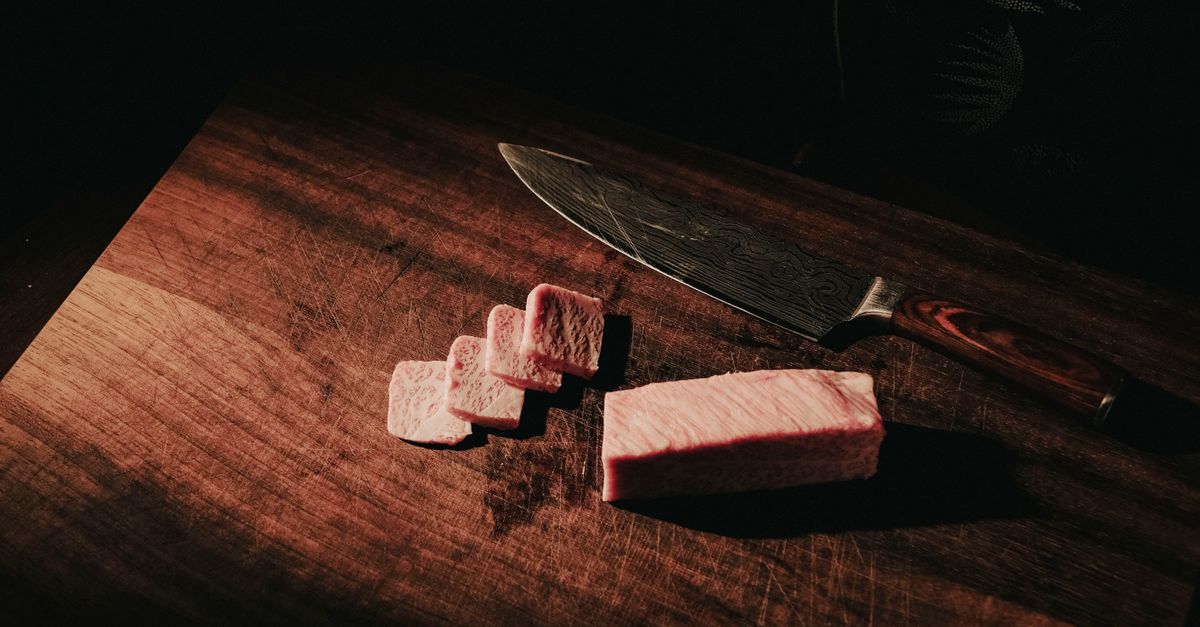
The next generation is flipping the script with cultured fats and precision fermentation. Companies like Mission Barns and Perfect Day are producing animal-identical fats without raising a single cow. They take yeast, feed it sugars, and coax it into producing triglycerides that are molecularly identical to beef tallow or pork lard. The result? A patty that renders, browns, and sizzles exactly like meat.
I tried a burger made with cultured fat last month. The first bite was shocking—it had that crisp edge you get from a cast-iron skillet, followed by a buttery richness that lingered. No coconut oil could ever do that. And here’s the kicker: these fats are clean-label. No GMOs, no synthetic additives.
The Binding Revolution: No More Methylcellulose
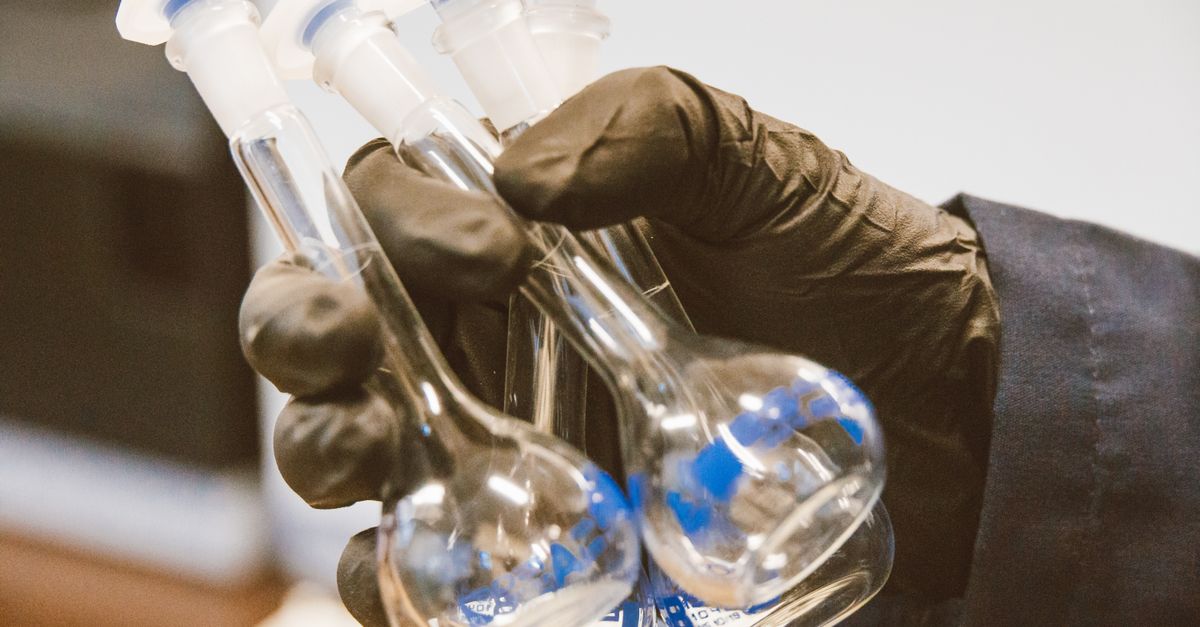
Let’s talk about the elephant in the room: methylcellulose. This synthetic binder is in almost every plant-based meat out there. It’s what makes the patty hold together on the grill. But it’s also a processed chemical that gives clean-label eaters the creeps.
The 2.0 version is ditching it for plant-based mucilages and protein hydrogels. Think chia seeds, flaxseeds, and even potato starch—but processed in ways that create a firm, springy texture. One ingredient I’m obsessed with is konjac glucomannan. It’s a fiber from the konjac root that forms a gel when mixed with water. Brands like OmniPork use it to create ground meat that crumbles perfectly, just like real pork.
Another hidden gem? Mung bean protein. It’s been around for centuries in Asian cuisine, but it’s now being used as a binder in plant-based eggs and sausages. I’ve tested mung bean-based nuggets, and they have a snap that rivals chicken—no slime, no mush.
The Flavor Frontier: Umami Bombs and Smoke
Flavor is where most plant-based meats fail. They rely on “natural flavors”—a vague term that often means yeast extract or hydrolyzed vegetable protein. These work, but they’re one-dimensional. You get salty, maybe smoky, but never that deep, complex savoriness of a slow-cooked brisket.
The next generation is using enzyme-modified ingredients and fermented botanicals. For example, companies like Motif FoodWorks are using enzymes to break down pea protein into peptides that taste like grilled beef. It’s not a coating—it’s the protein itself transforming.
Another trick? Smoke-infused oils made from actual wood smoke captured and dissolved into plant-based fats. I’ve used one in my own kitchen, and it adds a campfire char that’s impossible to fake. Pair that with shiitake mushroom powder (which has high levels of guanylate, a natural umami enhancer), and you’ve got a flavor bomb that rivals any butcher shop.
What This Means for You
So, why should you care? Because Plant-Based Meat 2.0 isn’t just for vegans. It’s for anyone who wants to eat less meat without sacrificing taste, texture, or nutrition. The days of “edible cardboard” are ending.
I’ve found that the best products now are the ones that don’t try to be meat—they embrace their plant origin. A mycelium fillet tastes like earth and umami, not a lab experiment. A mung bean sausage snaps like a bratwurst, but it’s also packed with fiber and protein. This isn’t compromise; it’s evolution.
Here’s my advice: look for labels that list whole food ingredients like mycelium, mung bean, or konjac. Avoid anything with methylcellulose or artificial flavors. Try a cultured fat burger if you can find one—it’s worth the hype. And don’t be afraid to cook with them at home. I’ve replaced ground beef in tacos with a mung bean mix, and my family didn’t notice.
The future of food is here, and it’s not synthetic. It’s smarter, cleaner, and more delicious than ever. The question is: are you ready to bite?