I still remember the look on my mother’s face when I told her I was writing a food blog. She nodded slowly, stirring her famous jollof rice, and said, “So you’re just going to write about food? Like, recipes and stuff?”
“Sort of,” I mumbled, grabbing a spoon to taste-test her pot.
But here’s the truth I couldn’t articulate back then: food is never just the main subject. It’s the side character, the set design, the emotional anchor. The moment you treat food as the star of every article, you’re missing the real story. And I’ve found that the best food writing — the kind that makes people bookmark, share, and come back — isn’t really about food at all.
Let’s get into why that matters, and how you can stop writing about food as the main subject of every article.
The Secret Ingredient Isn’t in the Kitchen
I once spent three hours writing a post about how to make the perfect suya spice blend. I listed ratios, talked about grinding techniques, even included a video of me sweating over a mortar and pestle. The post tanked. Like, two comments and a tumbleweed tanked.
But a few weeks later, I casually mentioned in another article how my grandmother used to hide suya in her handbag during road trips to Lagos. The comments exploded. People started sharing their own stories — about sneaking food into cinemas, about aunties who packed too much food for journeys, about the taste of home.
That’s when it clicked. Nobody actually needs another recipe. Google already has 47 million of those. What people want is connection. They want to feel seen, understood, and maybe a little hungry. Food is just the vehicle.
Here’s what most people miss: when you write about food, you’re really writing about memory, identity, love, loss, rebellion, or comfort. The dish itself is just the excuse to open that door.

Why Your Reader Doesn’t Care About Your Exact Measurements
Let’s be honest — when was the last time you actually followed a recipe to the letter? I bet you eyeballed the salt, skipped the garnish, and used whatever oil was cheapest. We all do it. Recipes are guidelines, not gospel.
So if your food blog is just a series of step-by-step instructions, you’re competing with cookbooks, AI-generated recipe sites, and YouTube tutorials. And you’re losing, because those formats are better suited for that job.
Your edge — the thing no algorithm can replicate — is your personality. Your voice. Your weird family traditions. That time you burned the egusi soup and your dad still ate it with a smile.
I’ve found that my most popular food posts are the ones where I barely mention the food. I once wrote a piece titled “The 3 Things My Ex Taught Me About Making Fried Rice.” It was mostly about heartbreak and bad decisions. But people devoured it — pun intended — because they related to the messy human experience. The fried rice was just the backdrop.
Stop treating food like the main character. It’s the best friend, the comic relief, the wise old mentor. But the protagonist is always the reader’s own story, projected onto your words.
The Real Reason You’re Stuck Writing Generic Food Content
I’m going to say something controversial: most food blogs are boring because they’re scared.
Scared of being too personal. Scared of offending someone. Scared of not sounding “professional.” So they play it safe — neutral tone, generic tips, stock photos of avocado toast. And the result? Content that blends into the background noise.
I’ve been there. Early in my blogging journey, I wrote posts like “5 Tips for Better Pasta” and “How to Store Fresh Herbs.” Yawn. They got views, sure, but nobody remembered them. Nobody shared them with a friend and said, “You have to read this.”
The shift happened when I started writing about food the way I talk about it in real life. I swear a little (sorry, mom), I tell embarrassing stories, and I admit when I’m wrong. I wrote a post about how I hated plantain until I was 25, and the comments section turned into a therapy session for former plantain-haters.
That’s the kind of connection you can’t get from a recipe card. That’s what makes people subscribe, comment, and come back.
Here’s a practical tip: when you sit down to write a food article, ask yourself three questions:
- What emotion does this dish trigger for me?
- What memory is attached to it?
- What’s the one thing nobody talks about when it comes to this food?
A Case Study: The Day I Wrote About Food Without Mentioning a Single Ingredient
I want to walk you through a real example from my blog. I published an article titled “Why I Stopped Apologizing for Eating Alone.” On the surface, it’s about solo dining. But I didn’t list a single restaurant, recommend a single dish, or include any nutritional info.
Instead, I talked about the shame I used to feel sitting alone at a table. About the way waiters would ask, “Just one?” with pity in their eyes. About the freedom I finally found in ordering exactly what I wanted, eating at my own pace, and not having to make small talk.
The food was barely mentioned — just a passing reference to a bowl of noodles and a glass of wine. But the article went viral (for my blog’s standards, anyway). People emailed me. A reader told me she booked her first solo dinner reservation after reading it.
That’s the power of making food the side character. The real story was about self-acceptance, independence, and breaking social norms. The noodles just happened to be there.
If you’re struggling to find your voice as a food blogger, try this exercise: write a post about your favorite meal, but you’re not allowed to name any ingredients, cooking methods, or restaurants. You can only describe how it made you feel, who you were with, and why that moment mattered. You’ll be surprised how much you have to say.
How to Trick Your Brain Into Writing Better Food Content
Your brain is lazy. It wants to take the easy route — list ingredients, explain steps, wrap it up with a pretty photo. But that’s the fast food of content creation. It fills the belly, but leaves no lasting impression.
Here’s what works for me when I’m stuck in recipe mode:
1. Start with a confession. “I used to hate okra soup.” “My first attempt at puff puff was a disaster.” “I secretly think pineapple on pizza is elite.” Lead with vulnerability, not expertise.
2. Ask a question you can’t answer. “Why does my mother’s cooking taste better than mine, even when I use the same recipe?” That question opens a door to memory, science, emotion — not just cooking tips.
3. Write the ending first. What do you want the reader to feel when they finish? Inspired? Hungry? Nostalgic? Write that feeling, then work backward to figure out how food fits in.
4. Reference something outside food. Pop culture, politics, relationships, work stress. Food intersects with everything. I once wrote a post connecting jollof rice wars to Nigerian sibling rivalry. It was ridiculous and brilliant at the same time.
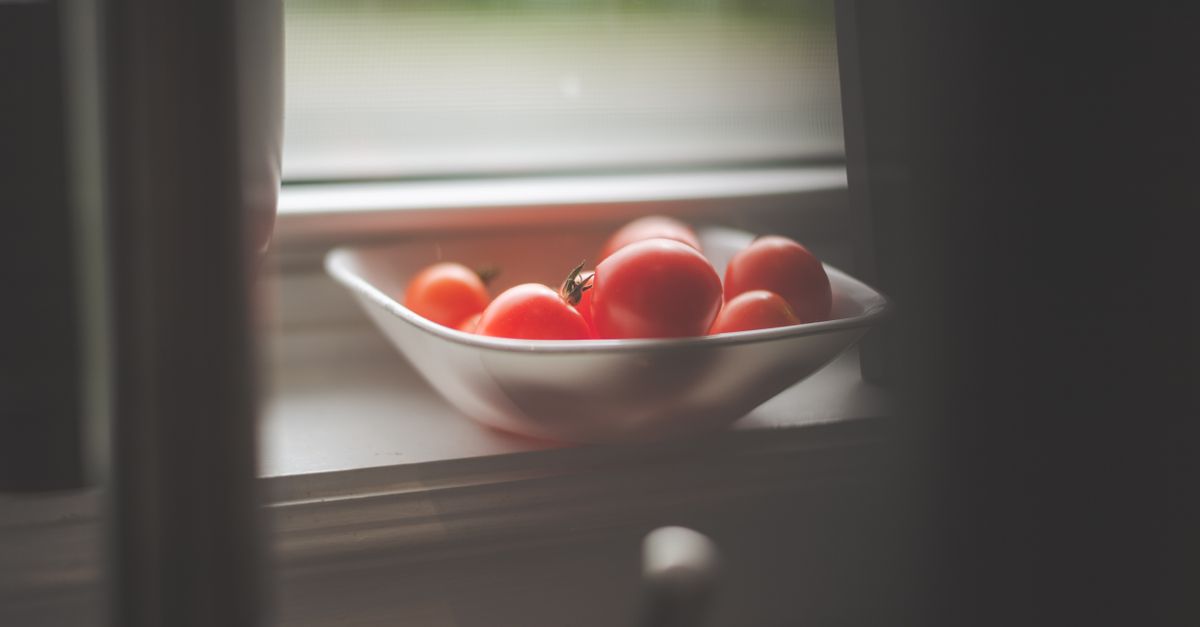
5. Use sensory details that aren’t taste. The sound of oil sizzling. The weight of a cast-iron pan. The way sunlight hits a bowl of chopped tomatoes. These details make food writing feel alive without being about the food itself.
The One Thing That Will Set Your Food Blog Apart Forever
Here’s the hard truth: there are millions of food blogs. You will never be the best at recipes, photography, or SEO. But you can be the only one who writes like you.
I’m not saying abandon all food-related content. Of course you can share recipes, tips, and reviews. But let them serve a bigger purpose. Let them be the Trojan horse for your personality, your perspective, your unique take on the world.
When I write about egusi soup now, I don’t just tell you how to make it. I tell you about the Sunday afternoons of my childhood, the way my mother would sing while stirring, the fight over the last piece of meat. The soup is still there, but it’s not the point. The point is the feeling.
Your readers will forget your exact ratio of tomatoes to peppers. They’ll forget whether you used palm oil or vegetable oil. But they will remember how you made them feel. They will remember the laugh they shared, the tear they wiped away, the memory they suddenly wanted to call their own mother about.
That’s not just good food writing. That’s good writing, period.
And honestly? That’s the only kind worth doing.
So next time you sit down to write a food article, look at your keyboard and ask yourself: Is food really the main subject here? If the answer is yes, delete the first three paragraphs. Start over. Find the human story hiding beneath the recipe.
Because the best food articles aren’t about food at all. They’re about life. And life, my friend, is always the main subject.
Now go write something that makes people hungry — for more than just dinner.