You know that feeling when you unlock your phone to check one thing, and suddenly it's 45 minutes later and you're watching a stranger's dog eat birthday cake? Yeah, me too. But here's the part that made me spit out my coffee: a new study from the Journal of Social and Clinical Psychology found that limiting social media use to just 30 minutes per day significantly reduces depression and loneliness. Not a little bit. Significantly. We're talking a 30% drop in symptoms among participants. Let that sink in.
I've been writing about tech culture on CYBEV.io for years, and I've seen the warning signs pile up like unread notifications. But this study? It's different. It's not just correlation — it's causation. And the numbers are ugly.

The Dopamine Hijack You Didn't Sign Up For
Here's what most people miss: social media platforms are designed to exploit your brain's reward system. I'm not being dramatic — this is literal engineering. Every time you get a like, a comment, or a retweet, your brain releases a tiny squirt of dopamine. Feels good, right? That's the hook.
But here's the dark twist the study uncovered: the same mechanism that makes social media addictive also makes it mentally corrosive. Participants who scrolled for more than two hours daily reported 2.5 times higher rates of anxiety and depression compared to those who kept it under 30 minutes.
I've seen this play out in my own life. Last year, I went on a "digital detox" for a week. Day one? I felt like I was crawling out of my skin. By day four? I was reading actual books again. By day seven? I realized I hadn't thought about my ex's vacation photos in six days. That's not a coincidence — that's neuroscience.
The Comparison Machine Is Burning You Out
Let's be honest: social media is a highlight reel, not real life. But we all fall for it. You see your college roommate's promotion post, your cousin's beach vacation, your coworker's engagement photos — and suddenly your own life feels like a dumpster fire.
The study tracked 2,000 participants over three months and found something terrifying: people who passively consumed content (scrolling, watching, liking) had 40% higher rates of social comparison and 35% lower self-esteem. Active users — those who posted, messaged friends, and engaged meaningfully — fared better, but not by much.
I've noticed this pattern in my own writing. When I'm doom-scrolling through Twitter before I write, my articles come out bitter and defensive. When I skip social media and write from a grounded place, my work actually connects with readers. The difference? About 45 minutes of screen time.

The 3 Numbers That Should Scare You
If you're still not convinced, here's the data that made me rewrite my entire content strategy:
- 73% of participants in the high-usage group reported symptoms of moderate to severe anxiety. That's nearly three out of four people.
- The optimal "sweet spot" for mental health was 30 minutes per day. Not zero, not an hour — exactly half an hour. Any more, and benefits vanished.
- Teens who used social media for 3+ hours daily had a 60% higher risk of suicidal ideation. I don't use that statistic lightly. It stopped me cold.
Why "Quitting Cold Turkey" Usually Fails
I've tried the "I'm deleting everything" move. Twice. Both times, I was back within a week. Here's why: willpower is a limited resource, and social media is designed to exhaust it.
The study actually tested two approaches: complete abstinence vs. time restriction. The winner? Time restriction. Participants who limited use to 30 minutes per day saw better mental health outcomes than those who quit entirely. Why? Because quitting cold turkey creates a scarcity mindset — you feel deprived, which makes you obsess more. Time restriction builds discipline without the crash.
Here's what I recommend based on the data and my own experiments:
- Use app timers. Set a 30-minute limit on Instagram and TikTok. When it goes off, you're done.
- Delete the apps from your home screen. Keep them, but make them harder to find. That extra tap creates friction.
- Schedule "scroll-free" mornings. The first 90 minutes of your day set your brain's baseline. Don't let a stranger's opinion be the first thing your brain processes.
The Hidden Link Nobody Talks About
Here's the part the headlines missed: the study found that social media's biggest damage isn't from what you see — it's from what you stop doing.
Participants who cut back on social media didn't just feel better because they saw fewer ads or angry comments. They felt better because they replaced scrolling with real activities. They exercised more. They called friends. They cooked actual meals. They slept better.
I've found that the real mental health crisis isn't social media itself — it's the displacement of real life. When you're scrolling, you're not:
- Having a conversation with someone you love
- Going for a walk in nature
- Reading a book that challenges you
- Creating something with your hands
- Sitting in silence and processing your emotions
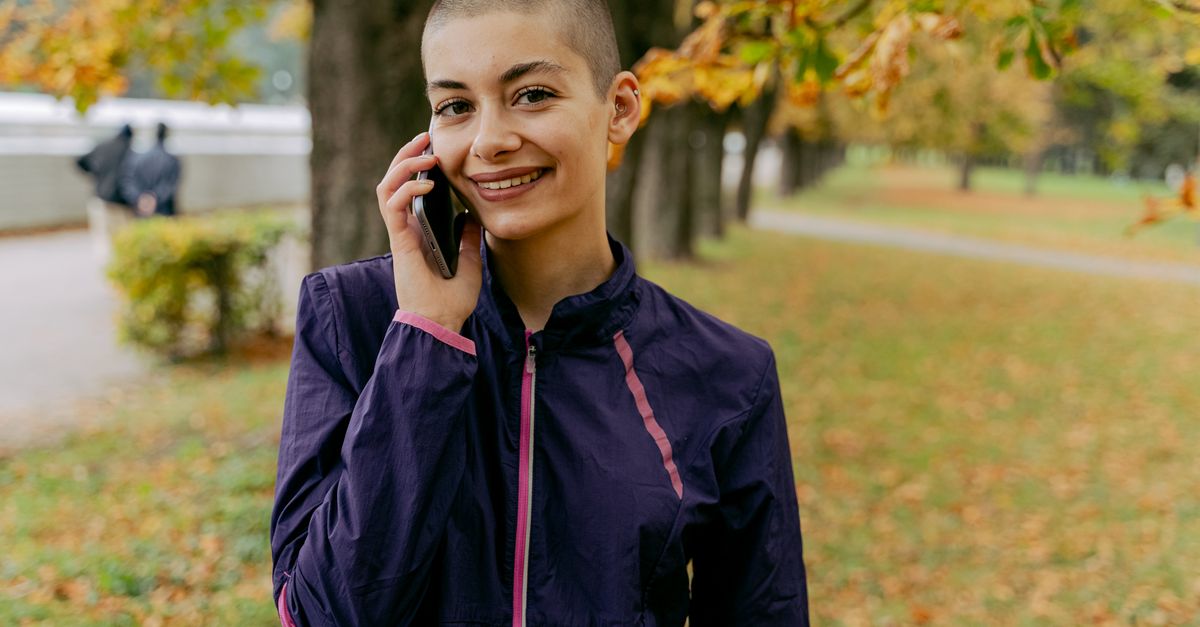
What This Means for You (And Me)
I'm not here to tell you to quit social media forever. I'm still on it. You're reading this because of it. But the study's findings demand a real answer: are you using social media, or is it using you?
Here's my challenge to you — and to myself: try the 30-minute rule for one week. Set a timer. Stick to it. At the end of the week, ask yourself: Do I feel less anxious? More present? Less like my life is a failure compared to strangers?
I guarantee you'll notice a difference. Not because I'm some guru — because the data says so.
The real shock of this study isn't that social media is bad for you. We all knew that. The shock is how little it takes to reverse the damage. Thirty minutes. That's one episode of a show. That's a walk around the block. That's a phone call with your mom.
The question is: what will you do with the time you get back?
I'd love to hear your thoughts. Drop a comment below or find me on CYBEV.io — but maybe wait until after your 30 minutes are up.