I’ll never forget the afternoon I nearly killed my neighbor’s prized monstera. I was watering it, minding my own business, when I noticed a weird, almost vibe coming from the leaves. They seemed... tense. Droopy, but not thirsty. A few days later, the plant was covered in spider mites. My neighbor was gracious about it, but I was hooked. How did that plant know it was in trouble before I did? Was it signaling? Was it screaming in a frequency I just couldn't hear?
Turns out? Yes. It absolutely was.
For decades, we’ve treated plants like silent, passive green wallpaper. They sit there, they photosynthesize, they die if we forget to water them. But here’s the shocking truth scientists are finally admitting: Plants are gossiping. Loudly. And they’ve been doing it right under our noses for millions of years.
We just weren’t listening.
The Underground Internet You Walk On Every Day
Let’s talk about the Wood Wide Web. No, that’s not a joke—that’s what scientists actually call it. It sounds like something out of Avatar, but it’s very real.
Beneath your feet, fungal networks—mycorrhizal networks—connect the root systems of almost every plant in an ecosystem. Think of it as nature’s original internet, complete with cables (the fungal threads) and data packets (chemical signals). Trees can send warnings, share nutrients, and even recognize their own offspring through this network.
Here’s what most people miss: This isn't passive symbiosis. It’s a trading floor. A plant pumps sugar to the fungus in exchange for phosphorus and nitrogen. But the real magic? The information.
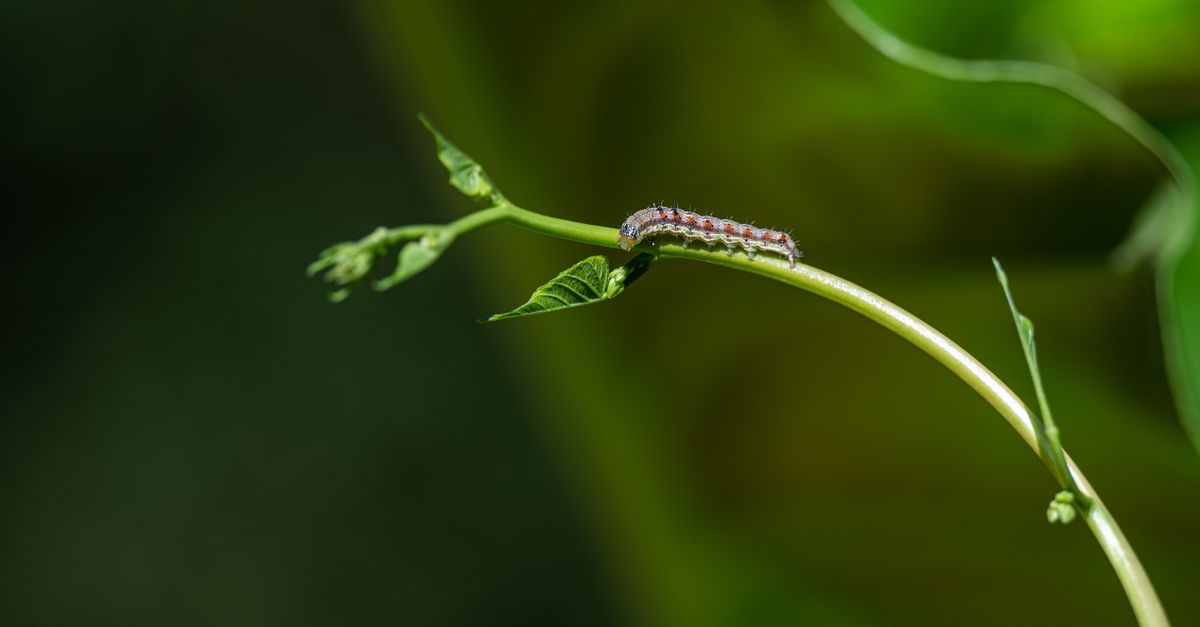
When a nearby shrub gets chewed by a caterpillar, it releases a chemical distress signal. The fungus catches that signal and transmits it to the next plant over. That second plant hasn’t been touched yet, but it already knows to produce defensive compounds. It’s an early warning system that puts our emergency alert network to shame.
I've found that once you learn about this, you can’t unsee it. Every forest floor becomes a switchboard.
"Shouting" Through the Air (Yes, Really)
If the underground network is the internet, the air is the public announcement system.
A few years ago, researchers at the University of Tokyo did something wild. They set up microphones near plants—tomato plants and Arabidopsis (a common weed)—and recorded them while they were stressed. What they found made headlines: Plants make ultrasonic popping sounds.
When a plant is dehydrated or its stem is cut, it emits clicks in the range of 20–100 kilohertz. That’s way above human hearing, but moths, bats, and other insects can definitely hear it. The theory? These pops are cavitation bubbles collapsing in the plant’s water-transport tubes—basically, the plant is screaming, “I’m under attack!” or “I need water!”
But here’s the mind-bender: Other plants might hear those screams. In lab experiments, when one plant is attacked by a pathogen, neighboring plants that aren’t even connected via roots start producing defensive chemicals. How do they know? The air. Volatile organic compounds (VOCs) waft from the wounded plant to its neighbors. It’s like a smoke signal, but chemical.

Let’s be honest: This changes everything. When I walk past a houseplant now, I half-expect it to whisper, “Could you maybe close the blinds? I’m getting a sunburn.”
The 3 Surprising Things Plants Are Actually Saying
So what are they talking about? It’s not the weather or the latest Netflix drama. Here are the three main messages scientists have decoded so far:
- “Help! I’m being eaten!” – When a caterpillar chomps on a leaf, the plant releases a specific VOC blend. That scent attracts parasitic wasps that lay eggs inside the caterpillar. The plant literally calls in assassins. Brutal. Effective. I love it.
- “Danger! Pathogen incoming!” – A fungal or bacterial infection triggers a different chemical alarm. Neighbors pick it up and start producing antifungal compounds before the infection even reaches them. It’s a vaccine without a needle.
- *“I’m thirsty, but not that thirsty.” – Drought stress produces a distinct chemical signature. Nearby plants will adjust their own water use, closing stomata earlier in the day to conserve moisture. They’re learning from each other’s mistakes.
I’ve started paying attention to my garden differently. When my basil gets leggy, I wonder: Is it complaining about the neighbor’s mint? Are the tomatoes gossiping about the aphids on the roses?
Why This Matters for Your Backyard (and Your Dinner Plate)
You might be thinking: Cool, plants are chatty. So what?
Here’s the practical payoff. Understanding plant communication is revolutionizing agriculture.
Right now, farmers spray pesticides all over entire fields, killing good bugs and bad bugs alike. But what if you could trick the plants into calling wasps before the pest outbreak? Some startups are already engineering “plant alarm” compounds that can be sprayed to trigger a field-wide defensive response. Less pesticide, more precision.
And for home gardeners like you and me? Companion planting just got a scientific upgrade. You’ve heard that marigolds repel pests from tomatoes. We now know it’s because marigolds release VOCs that mess with pest insect behavior—but also that tomatoes can “hear” those VOCs and ramp up their own defenses. They’re cooperating.
I’ve found that my vegetable garden produces way better when I plant basil near my peppers. Coincidence? Science says no. They’re probably trading chemical tips.
The Ethical Question We Can’t Ignore
Here’s where it gets uncomfortable. If plants can communicate, sense danger, and warn each other... should we feel bad about eating them?
Let’s pump the brakes. Plants don’t have a central nervous system. They don’t have a brain. They don’t feel pain the way animals do. But they absolutely have a form of awareness—they sense touch, light, gravity, and chemical signals. They can even remember past stress (a phenomenon called “stress memory”).
Does that mean we should stop eating salad? No. But it means we should treat plants with respect. I’ve stopped yanking weeds out of the ground with anger. I pull them gently. It sounds silly, but it changes your relationship with nature.

The Conversation Has Only Just Begun
We’ve cracked the first few letters of nature’s hidden code. Scientists are now using AI and machine learning to decode these chemical signals in real time. Imagine a device you stick in your garden soil that translates plant “speech” into a smartphone notification: “The rose bush is stressed. Check for aphids. The lavender approves.”
We’re not there yet. But we’re closer than ever.
The next time you walk through a park or tend your houseplants, remember: You are surrounded by conversation. Every leaf is a microphone. Every root is a modem. And the signals are flying through the air and underground, constantly, silently, urgently.
So the next time your fern looks a little sad, don’t just water it. Ask yourself: What is it trying to tell me?*
Because the secret language of plants isn’t a secret anymore. It’s science. And it’s beautiful.