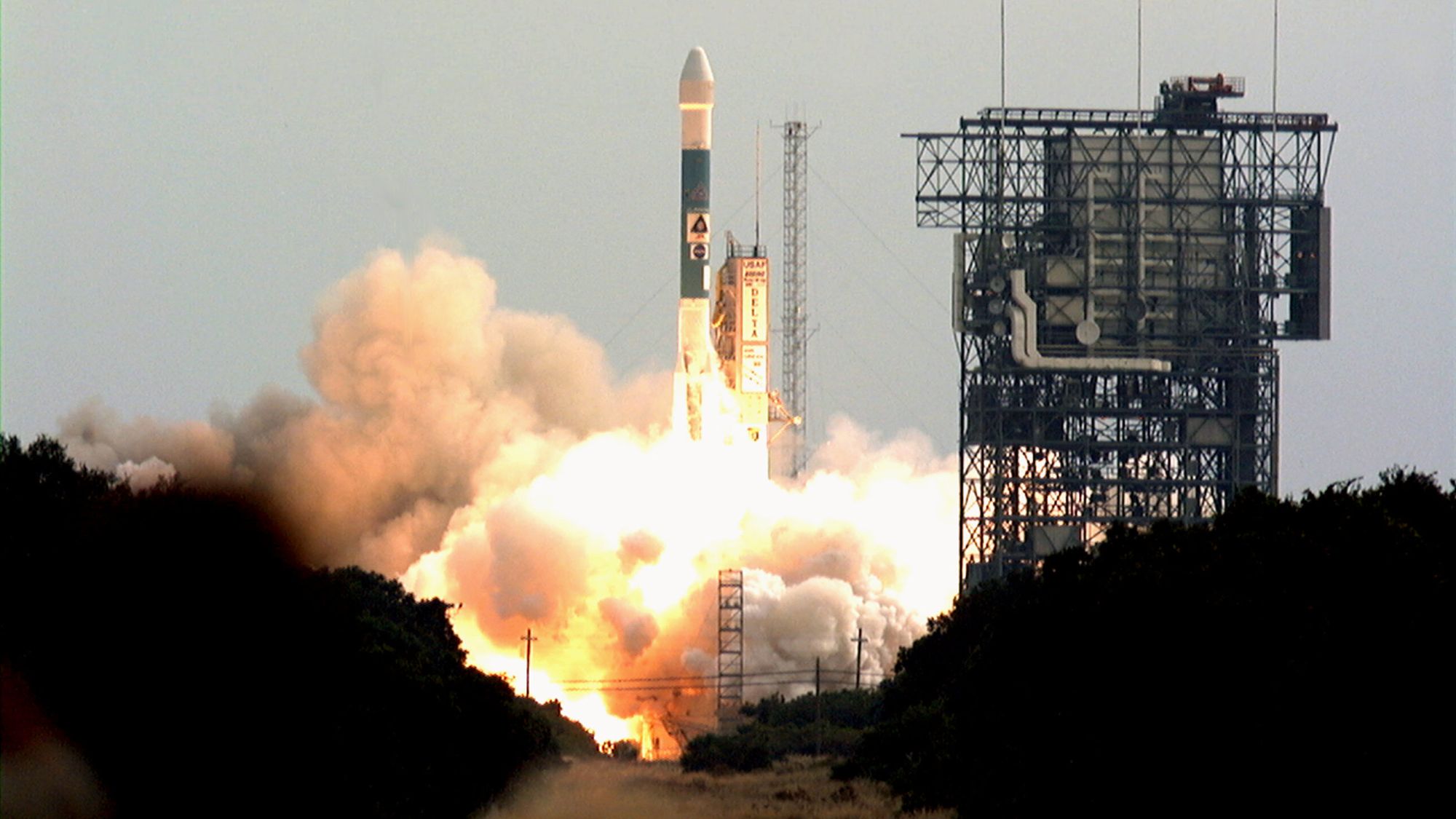
NASA launched the Mars Global Surveyor on Nov. 7, 1996, sending an orbiter to the Red Planet for the agency's first Mars mission in almost two decades, according to Space. The spacecraft went on to study the planet's surface, atmosphere and interior for nine active years, far outlasting its planned lifetime.
Space reports that the mission marked NASA's first successful return to Mars since the twin Viking launches in 1975. The probe ultimately fell silent in November 2006 after a maneuver accidentally exposed one of its batteries to the sun, cutting its power supply.
Why it matters
The Mars Global Surveyor did more than gather its own science. It became a communications relay for NASA's surface rovers, carrying their data back to Earth, and in doing so served as a primary pipeline for several Mars missions running at the same time. That dual role — orbiting scientist and rover messenger — helped establish how later Mars campaigns would be run.
According to Space, the mission also reshaped what researchers understood about the planet. NASA's own description of the probe, cited by Space, says it overhauled scientists' knowledge of Mars by examining the entire surface, atmosphere and interior.
Water, minerals and a changing pole
Among the mission's most noted findings was evidence of surface channels on Mars that appeared to have been carved by flowing water. NASA's description, as reported by Space, pointed to striking evidence that water still moves on Mars in short bursts down hillside gullies.
The orbiter also identified deposits of water-related minerals, work that directly shaped where a later rover would land. Space reports that the spacecraft spotted hematite, a mineral that typically forms in water, and that NASA subsequently dispatched its Spirit and Opportunity rovers to search for it. Both rovers found hematite close to their landing sites.
The probe's observations of the Martian south pole, meanwhile, showed signs of possible climate change, per Space.
A relay that outlived expectations
The spacecraft carried out its work for far longer than its designers anticipated. During its nine active years it transmitted more than 240,000 images back to Earth, Space reports. It also passed along data from three NASA rovers: Sojourner, Spirit and Opportunity.
Its end came suddenly. A space maneuver left one of its batteries exposed to sunlight, and the spacecraft lost power. It stopped communicating in November 2006 and was never recovered.
The mission's legacy is tied to both halves of its job. As an orbiter, it produced a detailed picture of the whole planet. As a relay, it kept surface missions connected to the ground. Space frames the launch as the start of a new era of Red Planet exploration, one built on orbit-based science and on spacecraft that double as communications links for the robots below.
For those tracking space history, Space maintains an archive of "On This Day in Space" stories and videos covering past missions and discoveries.





