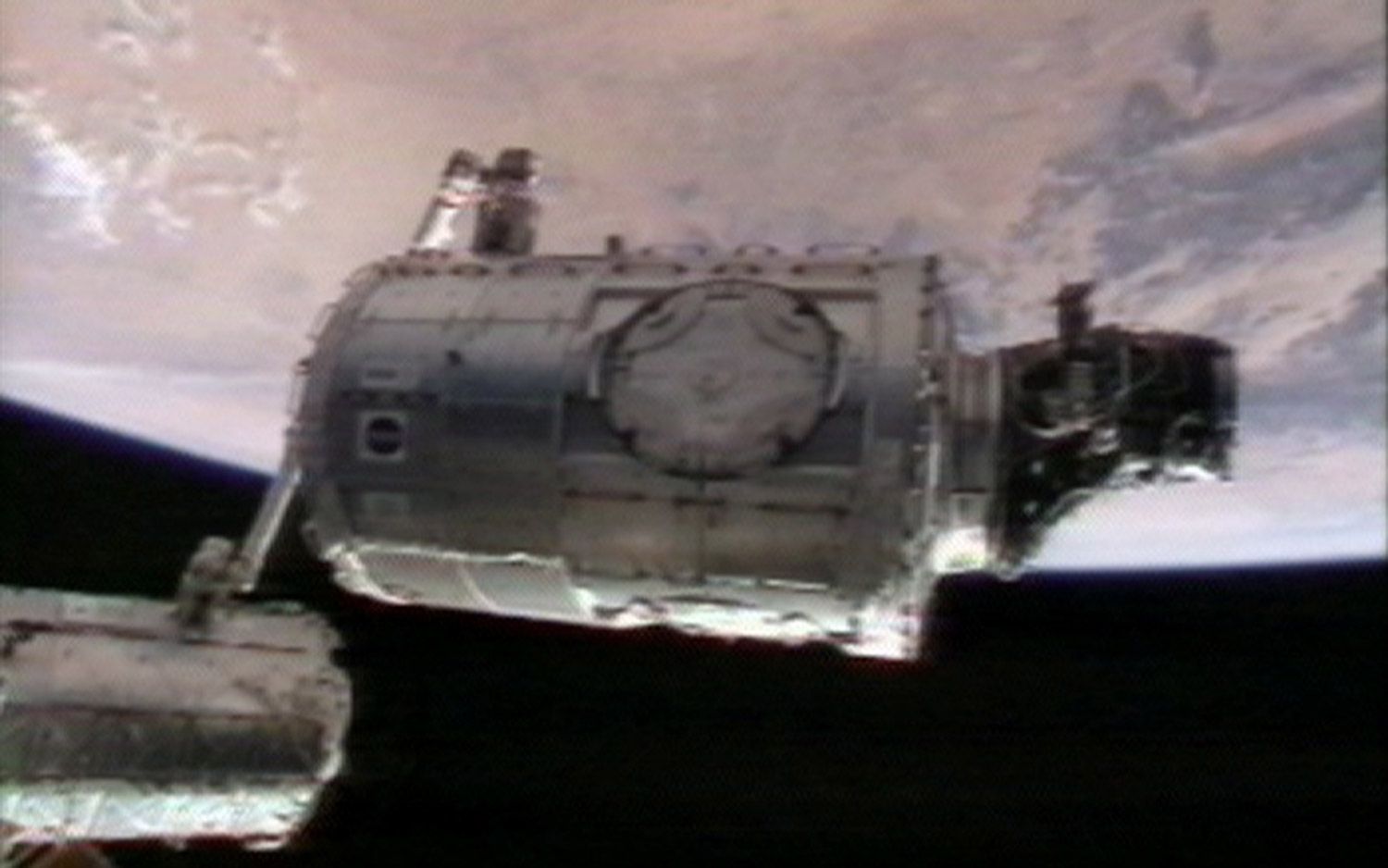
On October 23, 2007, the space shuttle Discovery lifted off on the STS-120 mission, carrying the Harmony module to the International Space Station, according to Space. The module, a connecting hub roughly 14 feet wide and 24 feet long — about the length of a minibus — became a central junction linking later laboratory additions to the orbiting outpost.
Why it matters
When Harmony arrived, the station's habitable volume was far smaller than it is today, and no new pressurized room had been added since Russia's Pirs docking module in 2001, Space reports. Harmony changed that: once installed, the station's living space grew from roughly the equivalent of a three-bedroom house to something closer to a five-bedroom home, per Space. The mission also opened a new phase of station expansion, because Harmony gave future modules a place to attach.
A hub built to connect
Harmony, originally designated Node 2, was the second NASA-led hub module for the station, following the Unity module, also known as Node 1. Italy-based Thales Alenia Space built it for NASA, and it carries five "common berthing mechanisms" — connection points for other station elements, according to Space.
The module's path to its permanent position took time. Astronauts on the shuttle mission first left Harmony temporarily attached to Unity. After the shuttle departed, crew members used the station's robotic arm to relocate the shuttle docking port away from the Destiny laboratory, clearing space for Harmony to be moved to its final berth next to Destiny. From there, it serves as the attachment point for the European Space Agency's Columbus laboratory on one side and Japan's large Kibo laboratory on the other, Space reports. Some of its ports have hosted visiting cargo craft, and a docking port on its roof lets arriving vehicles park there.
Inside, Harmony holds eight payload racks: four dedicated to avionics and four others used for storage or crew quarters. NASA's astronaut crew quarters are located in the module, and its name came from a public naming contest run by the agency, according to Space.
The STS-120 flight lasted two weeks. Harmony's installation marked the moment the station gained the connective capacity that later laboratories depended on.
What to watch: Harmony remains in service as a core node of the station, and its berthing ports continue to shape how visiting vehicles and future modules are accommodated.