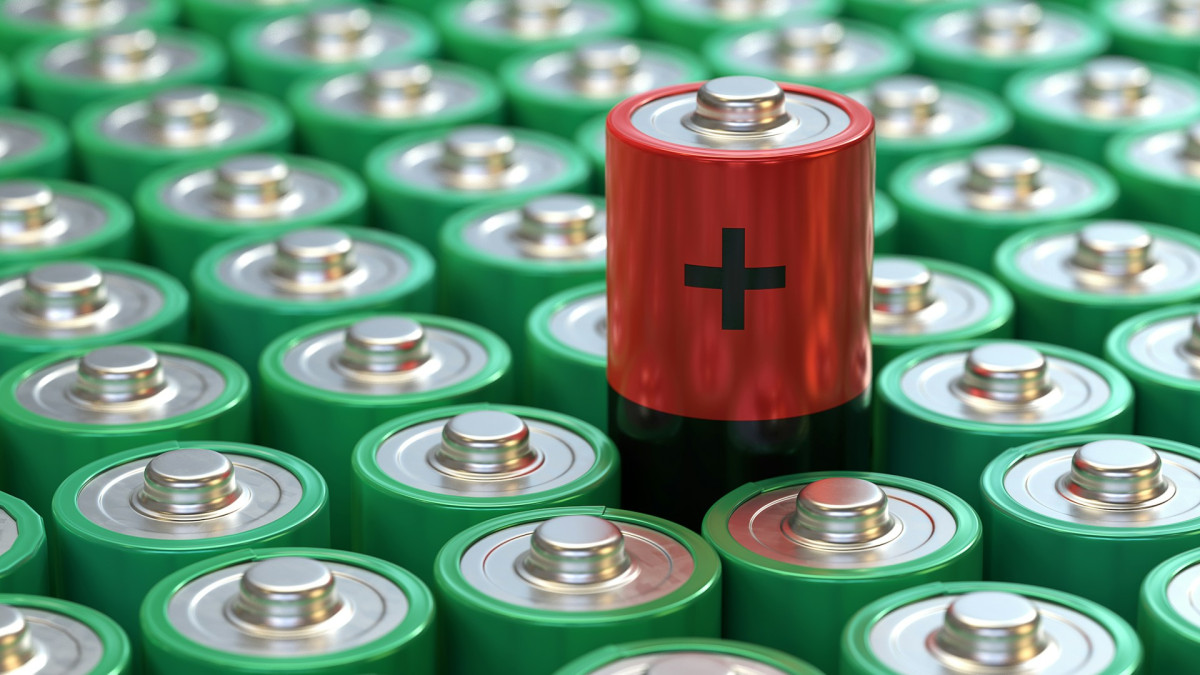
NASA has built a solid-state battery prototype that keeps working in extreme cold, an advance aimed at powering equipment on the Moon and one that the agency suggests could eventually feed into electric vehicle technology on Earth. The freeze-resistant cells came through thermal vacuum testing under NASA's Solid Power for Extreme Environment Adaptability and Resilience in Space (SPEARS) project, according to Crude Oil Prices Today | OilPrice.com. The same outlet reports that the batteries remain small laboratory prototypes and have not yet been flown in space.
Why it matters
The Moon's south pole, where the United States intends to send astronauts, can fall to roughly minus 200 degrees Celsius (about minus 328 degrees Fahrenheit). Standard lithium-ion cells, which move lithium ions between electrodes through a liquid electrolyte, are poorly suited to that kind of cold and can be damaged by it. Batteries that survive without a constant heat source would remove a significant engineering burden from lunar surface operations.
The terrestrial angle is what makes the work interesting beyond spaceflight. Crude Oil Prices Today | OilPrice.com, citing reporting from HotHardware, notes that space-rated solid-state technology could in principle improve the safety, temperature tolerance and efficiency of Earth-bound products, including EVs, commercial drones, phones and grid-scale storage in harsh climates. For vehicles, the outlet suggests the theoretical payoff would be longer range in cold weather and during winter months.
What the testing showed
According to Crude Oil Prices Today | OilPrice.com, the prototype cells withstood temperatures down to minus 170 degrees Celsius (about minus 274 degrees Fahrenheit) without damage. They also operated, though at reduced performance, at minus 80 degrees Celsius (about minus 112 degrees Fahrenheit). Performance was better across a range from minus 60 to plus 80 degrees Celsius (roughly minus 76 to plus 176 degrees Fahrenheit).
Those results matter because the SPEARS project is tasked with producing batteries that can endure the lunar environment without a steady supply of heat to keep them from freezing. The outlet reports that the technology could eventually power lunar rovers, scientific instruments and emergency equipment used by astronauts under Artemis. It also points to a safety argument for solid-state designs: liquid electrolytes in conventional lithium-ion packs are highly flammable, a growing fire concern worldwide, while solid electrolytes offer a more stable medium for ion movement and can support faster charging.
Space ambitions and the nuclear parallel
The battery work sits alongside a broader push to pair space exploration with national energy development. Crude Oil Prices Today | OilPrice.com reports that NASA has partnered with the U.S. Department of Energy on next-generation nuclear technologies for deep space missions. NASA Administrator Jared Isaacman described the shift earlier this month as entering a "Nuclear NASA-era," saying nuclear power would let the agency travel farther and operate longer than before, and that current work is laying groundwork for fission-powered spacecraft.
For the battery program, the near-term questions are engineering ones: scaling laboratory cells into flight-ready hardware and proving them outside the thermal vacuum chamber. Whether the cold-tolerance gains translate into cheaper, safer or longer-lasting EV packs will depend on commercialization work that NASA has not announced. Watch for the first space demonstration of the SPEARS cells and for any licensing or industry partnership that moves the design toward terrestrial use.