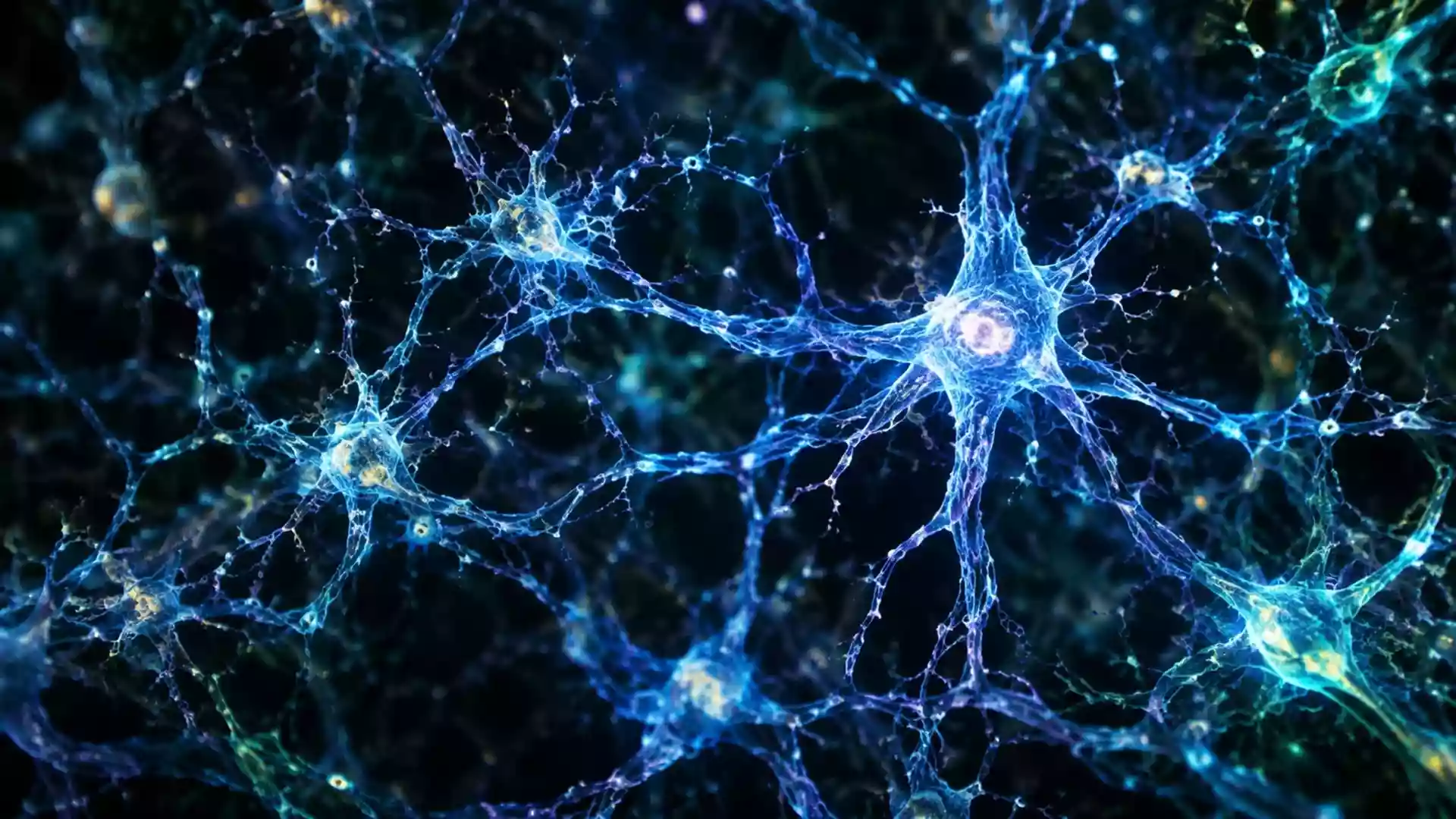
A study published on 14 October 2026 in the journal PLOS Pathogens has found that herpes simplex virus type 1 (HSV-1) can substantially alter the behaviour and molecular programming of immune cells in the central nervous system. The research, led by the University of Colorado Anschutz together with other institutions, was conducted in mice and reported by ad-hoc-news.de. In animals infected with the virus, microglia in the affected brainstem regions showed a far stronger response to inflammatory signals than in control animals.
Why it matters
HSV-1 is extremely common. According to World Health Organization figures cited in the coverage, roughly 3.8 billion people under the age of 50 carry the virus, about two-thirds of that age group. Because of that reach, even modest effects on brain immunity would be relevant to a very large population. The study also feeds a long-running scientific discussion about whether chronic inflammation following viral infection can encourage the formation of abnormal protein deposits in nervous tissue, with HSV-1 frequently named as a candidate trigger. ad-hoc-news.de reports that there is still no cure for Alzheimer's disease, although approved medicines can influence its course.
What the researchers observed
Microglia act as the brain's immune defence and also carry out important maintenance and protective work. In the infected mice, the virus stayed confined to specific points of the brainstem. In precisely those areas, the scavenger cells displayed clearly elevated activation markers, according to ad-hoc-news.de.
The most striking finding concerned how the cells handled inflammation signals. In the virus-affected brain regions, microglia reacted unusually strongly to interferons, and the share of cells showing this response pattern was more than thirty times higher than in animals that received a sham treatment. At the same time, genes responsible for the microglia's normal upkeep and protective duties were less active. Beyond the shifted gene expression, the team also detected restructuring of chromatin, the material that packages DNA and helps determine which genes can be switched on.
Niemeyer, a member of the research team, said the pathogen does not merely provoke a temporary defensive reaction but rewires fundamental molecular programmes in the cells, as reported by ad-hoc-news.de. One open question is whether these changes persist after the infection itself subsides.
Limits and cautions
The authors are explicit that the work does not show HSV-1 causes Alzheimer's disease. Study author Bruce of the University of Colorado Anschutz stressed that the findings provide no proof of such a causal link, according to ad-hoc-news.de. None of the animals used in the experiment developed Alzheimer's disease, and the data therefore offer no basis for recommending preventive antiviral treatment.
The study also carries methodological constraints. All analysis was carried out in a mouse model, and the animals were euthanised as part of the experiment, so there is no evidence of later neurodegeneration. Whether the signal changes seen in rodent immune cells also occur in the human brain, and to what extent, is a question for future research.
What to watch: follow-up work will need to establish whether the altered microglial states outlast the infection and whether any comparable shift can be detected in human tissue.





