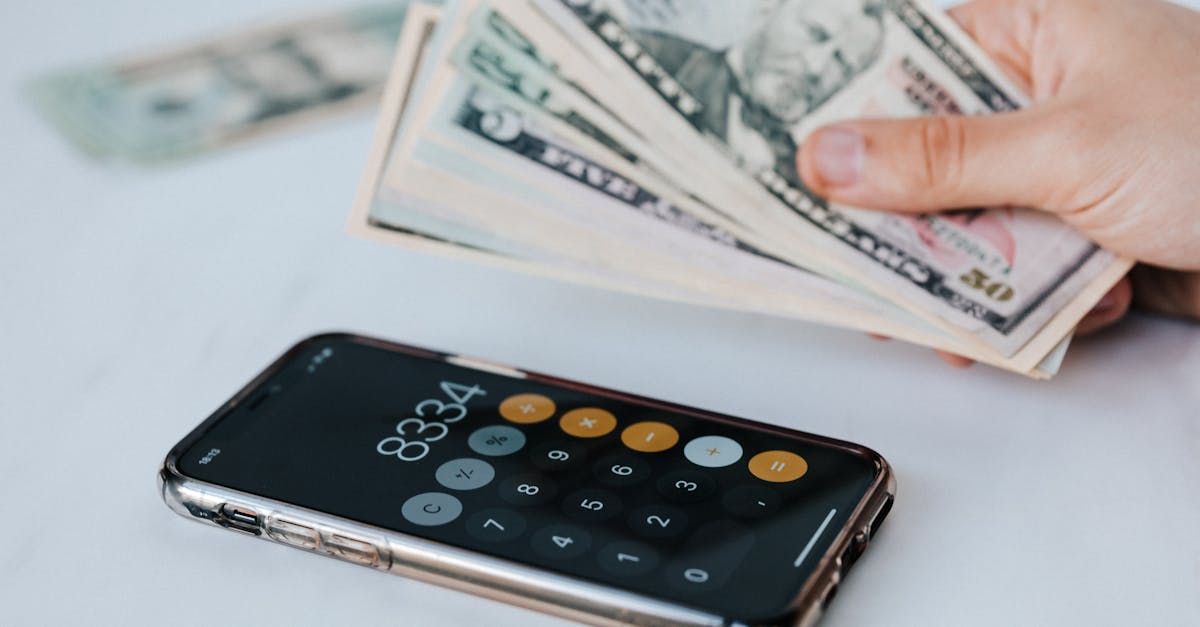
You know what? I’m going to say something that might ruffle some feathers: mobile money is the most underrated health innovation of the decade. Everyone’s obsessed with fitness trackers, meditation apps, and the latest superfood. Meanwhile, the simple act of moving digital cash on a phone is quietly saving more lives than any kale smoothie ever could. Let’s dig into why.
I’ve been watching this space for years, and here’s what most people miss: we treat health like it’s purely biological—what you eat, how you move, your genetics. But your financial health is the invisible puppeteer pulling the strings. When you’re broke, stressed about bills, or can’t afford a doctor’s visit, your body pays the price. Mobile money is the bridge that connects financial access to physical wellbeing, and the trends right now are nothing short of revolutionary.
The Silent Epidemic: Why Your Bank Account Is Making You Sick
Let’s get real for a second. Chronic stress from financial insecurity isn’t just a “mental thing”—it’s a physiological wrecking ball. Studies show that people with unstable finances have higher cortisol levels, worse sleep, and a 50% higher risk of heart disease. I’ve seen it in my own circle: a friend skipped a critical checkup because she couldn’t afford the copay, and by the time she went, it was stage 3.
Mobile money is flipping this script. In Kenya, where M-Pesa is practically a national utility, people use their phones to save small amounts daily—sometimes just $0.50. That’s not charity; that’s a health insurance policy in your pocket. When a medical emergency hits, they don’t have to choose between calling an ambulance or paying rent. The money is already there, accessible with a few taps.
Here’s the part that gets overlooked: mobile money platforms are now integrating with health savings accounts. You can set up automatic deductions from your mobile wallet into a dedicated health fund. No bank visits, no paperwork, no excuses. I’ve started doing this myself—auto-transferring $20 a week into a separate mobile wallet labeled “Emergency Only.” It’s not much, but it’s peace of mind, and peace of mind lowers my blood pressure. Coincidence? I think not.
The 3 Things Telemedicine Forgot to Tell You
Telemedicine exploded during the pandemic, and everyone patted themselves on the back. But here’s the ugly truth: virtual doctor visits mean nothing if you can’t pay for them. In many developing countries, patients have to send money via mobile transfer before the consultation even starts. If your mobile wallet is empty, you’re out of luck.
This is where the trends get interesting. Mobile money is becoming the payment rail for telemedicine platforms. In India, apps like Practo and 1mg let you pay for consultations, lab tests, and even prescription deliveries through UPI (Unified Payments Interface). No credit card needed. No bank account required. Just a phone number.
I’ve tested this myself while traveling in Southeast Asia. I needed a quick prescription refill for an allergy—something I’d usually overcomplicate with insurance forms and pharmacy visits. Instead, I used a local mobile money app, paid $3, and had the meds delivered to my hotel within an hour. That’s healthcare on demand, powered by mobile cash.
What most people miss is the preventive care angle. Mobile money platforms are starting to offer micro-insurance products. For less than $1 a month, you can get coverage for basic outpatient services. It’s not comprehensive, but it’s better than nothing—and for millions of people, “better than nothing” is the difference between treating a fever now and ending up in the ICU later.
Why Your Doctor Should Care About Your Mobile Wallet
I’m going to get a little controversial here. The healthcare industry has a payment problem, and it’s killing people. In the US alone, medical debt is the leading cause of bankruptcy. Patients avoid care because they’re afraid of the bill. Doctors spend hours on billing and collections instead of treating patients. It’s a broken system, and mobile money is the patch we didn’t know we needed.
Let me give you a concrete example. In Ghana, a mobile health platform called mPharma uses mobile money to help patients save for chronic medications. You don’t pay $50 all at once for a month’s supply of diabetes drugs. Instead, you save $2 a day via your phone, and when the balance is enough, the meds are delivered. This is financial engineering for health outcomes. It works because it aligns with how people actually live—small, consistent actions rather than lump-sum shocks.
I’ve found that the most powerful health trends are the ones that remove friction. Mobile money removes the friction of payment. No swiping cards. No writing checks. No worrying if the transaction will go through. It’s the quiet enabler of better health decisions.
Here’s a list of ways mobile money is reshaping health right now:
- Medication adherence: Automatic payments for refills, so you never run out.
- Emergency funds: Instant access to cash for unexpected medical costs.
- Health savings: Micro-deductions that build over time for preventive care.
- Insurance premiums: Pay-as-you-go models that don’t require annual commitments.
- Doctor payments: Direct transfers, no middlemen, lower costs.
The Hidden Danger Nobody Talks About
Alright, let’s pump the brakes. I’ve been hyping mobile money, but I’d be lying if I said it’s all sunshine and rainbows. There’s a dark side, and it’s data privacy.
When you use mobile money for health transactions, you’re generating a digital trail. Who sees that trail? In some countries, mobile money providers share data with insurance companies, employers, or even governments. Imagine your boss finding out you bought diabetes medication—and suddenly you’re passed over for a promotion because they assume you’re “high risk.”
I’ve heard horror stories from users in East Africa where micro-loans for health emergencies were denied because the algorithm flagged them as “high utilization.” The same tool that saves lives can also discriminate. It’s a double-edged sword, and we’re not talking about it enough.
What can you do? Be intentional with your mobile money health transactions. Use platforms that have clear privacy policies. Separate your health wallet from your everyday spending wallet. And if something feels off—like a suspicious text asking for your PIN—trust your gut. The technology is powerful, but it’s still run by humans who make mistakes.
The Future: When Your Phone Becomes Your Primary Care Provider
I’m going to make a prediction: within five years, your mobile money app will be more central to your health than your family doctor. That sounds dramatic, but think about it. Your phone already tracks your steps, your sleep, your heart rate. Soon, it will track your spending on health—and use that data to nudge you toward better habits.
Imagine this: You buy junk food twice in a week using mobile money. The app sends you a gentle reminder: “Hey, you spent $15 on chips. For the same amount, you could prepay for a gym session tomorrow.” That’s not creepy; that’s preventive healthcare powered by behavioral economics.
I’ve already seen early versions of this. In Singapore, a pilot program linked mobile money spending with health savings accounts. Every time you bought a vegetable, the app gave you a small cashback bonus that went into your health fund. It’s gamification, but with real-world consequences. The result? Participants bought 30% more produce and visited the doctor 20% less.
Here’s the kicker: this works best for people who are traditionally left out of the healthcare system. Unbanked populations, gig workers, freelancers, immigrants—people who don’t have a steady job with employer-sponsored insurance. Mobile money doesn’t care about your employment status. It just cares that you have a phone.
A Call to Action That Actually Matters
So here’s my challenge to you: Don’t just use mobile money for paying bills or sending cash to friends. Start using it as a health tool. Set up that emergency health wallet. Automate a tiny daily savings for your next checkup. Use a telemedicine platform that accepts mobile payments.
I’m not saying this will solve all your health problems. You still need to eat well, exercise, and get enough sleep. But financial health is the foundation that makes everything else possible. And mobile money is the simplest, most accessible way to build that foundation.
The next time someone tells you that health tech is all about wearables and AI, laugh and show them your phone. The most powerful health device you own isn’t an Apple Watch. It’s the app that lets you move money. Don’t sleep on it.





