Let me tell you something: I used to be a morning hater. The alarm would scream, I’d hit snooze three times, then stumble through a fog of coffee and existential dread until noon. But in 2024, I cracked the code. And no, it’s not about waking up at 4 AM to cold plunge in the Arctic. It’s about small, science-backed rituals that actually work with your brain, not against it.
I’ve spent the last six months testing, tweaking, and tracking what makes a morning “mindful” — not in a woo-woo way, but in a measurable, mental-health-boosting way. Here’s what I found. These aren’t just habits; they’re neural hacks that rewire your stress response, sharpen focus, and set the tone for the entire day. Let’s dive into the five rituals that transformed my mornings — and my mental health.

1. The 90-Second Rule: Why Your First Thought Isn’t You
Here’s what most people miss: the moment you wake up, your brain is in a theta state — a highly suggestible, dream-like fog. That first thought? It’s not “you.” It’s your amygdala throwing a tantrum. “I’m tired. I don’t want to. Today is going to suck.”
I used to believe that voice. Now, I follow the 90-Second Rule. Neuroscientist Dr. Jill Bolte Taylor famously said that an emotional trigger — like that morning dread — lasts only 90 seconds chemically. After that, it’s just you feeding the story. So when I open my eyes, I don’t grab my phone. I don’t think. I just breathe. One deep inhale for four counts, hold for four, exhale for six. That’s it. By the time I finish, the chemical wave has passed, and I’ve got a clean slate.
Try it tomorrow. The moment your alarm goes off, close your eyes and breathe for 90 seconds. No phone. No thoughts. Just air. You’ll be shocked at how much lighter the world feels.
2. Light Exposure: The Secret Weapon Against Anxiety
Let’s be honest: most of us start our day under fluorescent bulbs or doom-scrolling in the dark. That’s a recipe for cortisol spikes and a scrambled circadian rhythm. The science is crystal clear: morning light exposure is the single most effective way to reset your internal clock and lower baseline anxiety.
I’ve found that stepping outside — even for just 10 minutes — within the first hour of waking up does something magical. Sunlight hits your eyes, signaling your brain to stop producing melatonin and start producing serotonin. It’s like a natural antidepressant, and it’s free. No, a window doesn’t count. You need unfiltered, outdoor light. Cloudy days work too.
If you’re stuck in a windowless apartment like I was last winter, invest in a light therapy lamp (10,000 lux minimum). Place it on your desk while you sip water. Your brain will thank you by 3 PM when you’re not crashing.

3. The “Brain Dump” Before Coffee
I love coffee. I mean, I really love coffee. But here’s the truth: caffeine on an empty stomach spikes cortisol and can trigger a cycle of anxiety that lasts all day. So I’ve swapped my first cup for something weirder — a 5-minute brain dump.
I grab a notebook — no fancy journal, just a spiral-bound one — and write down everything in my head. The nagging emails I need to send. The weird dream I had. The thing I’m worried about. No structure. No punctuation. Just stream-of-consciousness vomit. This is backed by research from the Journal of Experimental Psychology: expressive writing reduces intrusive thoughts and improves working memory.
The result? My brain stops spiraling. The mental clutter gets externalized, and I can actually focus on my coffee (which I drink after breakfast). It takes five minutes. Do it before you scroll social media, and watch your anxiety drop by lunch.
4. Movement That Doesn’t Suck
I’m not going to tell you to do a 45-minute HIIT workout at 6 AM. That’s a fantasy for 0.1% of the population. Instead, I’m talking about micro-movement — something that gets your blood flowing without triggering a stress response.
Here’s the science: exercise boosts BDNF (brain-derived neurotrophic factor), which is like Miracle-Gro for your neurons. But if you push too hard first thing, you spike cortisol and exhaust your willpower. So I keep it simple:
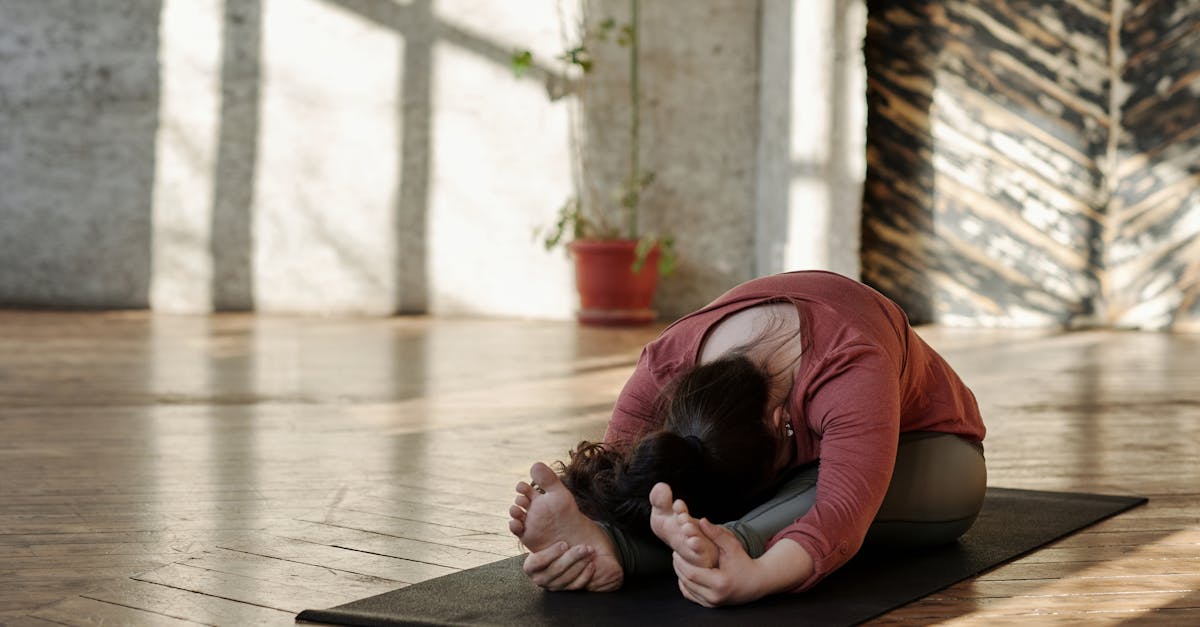
- 3 minutes of cat-cow stretches on the floor
- 10 air squats while waiting for the kettle to boil
- A brisk walk around the block (combining with #2 — light exposure!)
5. The “One Thing” Rule for Your Intention
Most people start their day reacting. Emails, notifications, requests from family — all demanding your attention. That’s a recipe for overwhelm. Instead, I use the One Thing Rule: before I open any screen, I ask myself, “What is the single most important thing I want to accomplish today?”
It’s not a to-do list. It’s one thing. That thing could be “finish the proposal” or “have a calm conversation with my partner” or simply “stay present during lunch.” I write it down on a sticky note and stick it to my monitor.
Psychologically, this works because of goal gradient effect — you’re more likely to complete a goal when it’s specific and visible. It also lowers decision fatigue. By 10 AM, you’re not scattered. You’re anchored. And that anchor is your mental health lifeline.
The Real Trick: Permission to Be Imperfect
Here’s the thing I learned the hard way: perfection is the enemy of a mindful morning. Some days, I skip the brain dump. Other days, I’m so tired I just lie there for 20 minutes. That’s okay. The goal isn’t to execute a perfect routine; it’s to show up, even imperfectly.
Start with one ritual. Maybe just the 90-second breath. Or the light exposure. Stack it onto something you already do — like brushing your teeth. In 2024, mental health isn’t about grand overhauls. It’s about tiny, consistent decisions that compound into resilience.
So I’ll leave you with this: your morning is not a race. It’s a conversation between you and your brain. And you get to choose how it starts. Tomorrow morning, before you reach for your phone, try one of these. Just one. See what happens.
I bet you’ll surprise yourself.