Let’s be brutally honest for a second: we’ve been worrying about plastic in the ocean while quietly serving ourselves a side of it with every meal. The real environmental crisis isn’t just out there—it’s in our blood, our organs, and it’s rewriting the rules of human biology in ways we’re only starting to panic about.
I used to think microplastics were a “contact” issue. You know, avoid the single-use bottle, and you’re mostly in the clear. Boy, was I naive. New research is painting a picture so pervasive and intimate, it makes the plot of any sci-fi body-horror movie look tame. This isn’t about a few particles in your gut passing through. This is about permanent biological tenants setting up shop where they absolutely do not belong.
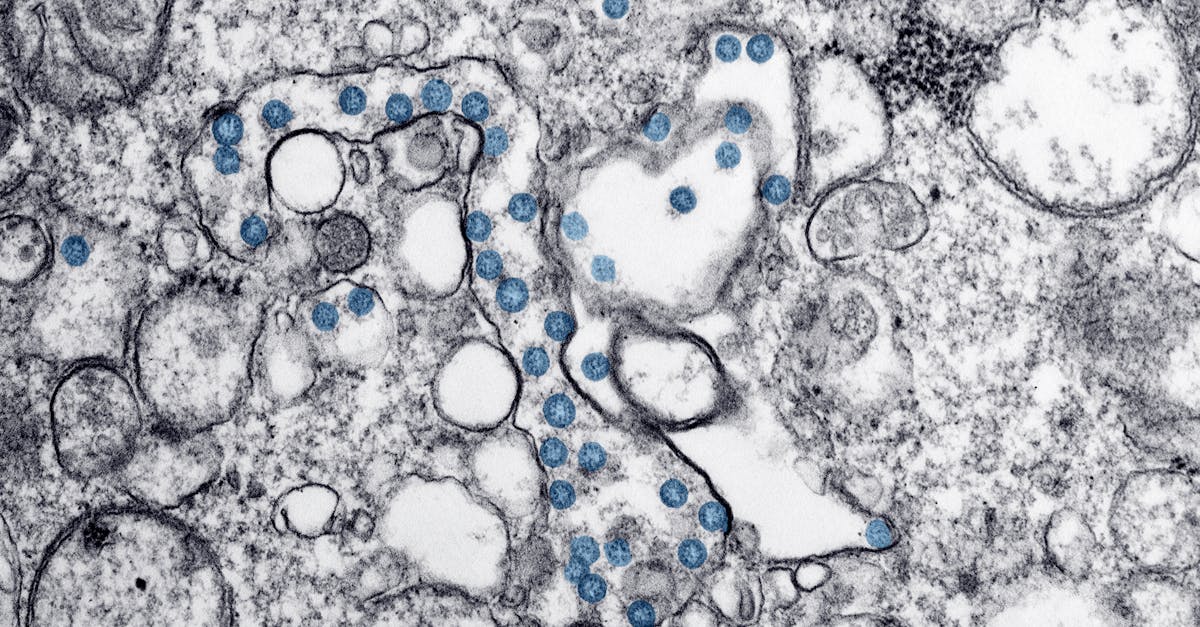
The Uninvited Guests: How Plastic Became a Part of Us
So how did we get here? It starts with everything crumbling. That synthetic fleece jacket? Shedding thousands of fibers in the wash. The car tires on your street? Wearing down into dust with every brake. The plastic container you microwave last night? Leaching invisible fragments. These particles—smaller than 5mm—are in our air, our rainwater, our soil, and consequently, in 90% of our table salt and 80% of our tap water.
They’re unavoidable. You’re breathing them in downtown and on a remote mountain trail. You’re drinking them from glass bottles (because the contamination is in the source water). The question stopped being “Are they in us?” years ago. The groundbreaking, and frankly terrifying, new question is: “What are they doing once they’re in?” And the answers are where the story gets wild.
Beyond the Gut: The Shocking Journey Inside Your Body
Here’s what most people miss. Early science comforted us with the idea that these particles were too big to cross from our digestive tract into our systems. False. Recent studies using advanced imaging have caught them red-handed.
These tiny fragments, especially nanoplastics (a thousand times smaller), are hitchhiking their way into our bloodstream. They’ve been found crossing the protective blood-brain barrier and, most alarmingly, the placental barrier. Think about that. We now have evidence that unborn children are being born pre-polluted with a material that didn’t exist a century ago. They’re not just in our waste; they’re in our liver, our lungs, our heart muscle.
It’s a systemic invasion. Your body, seeing these weird, sharp, foreign objects, does what it must: it triggers inflammation. And inflammation, as we know, is the rusty hinge that swings open the door to a host of chronic diseases.
The Chemical and the Physical: A Double-Edged Sword
The damage isn’t just one thing. It’s a brutal one-two punch.
First, the chemical payload. Plastics aren’t inert. They’re loaded with additives for flexibility, color, and flame resistance—chemicals like phthalates and BPA. These are endocrine disruptors. They mimic our hormones, sending false signals that can mess with fertility, metabolism, and development. A plastic particle is a Trojan horse, delivering these toxins directly into your tissues.
Second, the physical damage. Imagine inhaling or ingesting millions of tiny, sharp, insoluble shards. On a cellular level, they cause abrasion and oxidative stress. They can damage cell membranes and even trigger cell death. New research is drawing startling links to broader health impacts:
Metabolic Mayhem: Studies suggest a correlation between microplastic exposure and conditions like insulin resistance, potentially fueling the Type 2 diabetes epidemic. Gut Health Sabotage: They alter the microbiome, reducing good bacteria and promoting a gut environment linked to inflammation and immune dysfunction. Cardiovascular Risks: A landmark study just found people with microplastics in their carotid artery plaques had a 4.5 times higher risk of heart attack, stroke, or death. Let that sink in.
So, What the Heck Do We Do? (Spoiler: It’s Not Just Recycling)
Feeling overwhelmed? Me too. The scale feels insurmountable. But giving up is not an option. While we absolutely need systemic, global policy changes (and fast), there are ways to reduce your personal burden*. Not exposure—that’s nearly impossible—but the load your body has to deal with.
- Dethrone Plastic in the Kitchen. This is your biggest leverage point. Never microwave food in plastic. Avoid storing fatty or acidic foods in it. Swap out plastic utensils and cutting boards for wood, glass, or stainless steel.
- Rethink Your Laundry. Synthetic fabrics are a huge source. Wash less often, use cooler washes, and consider a microfiber-catching laundry ball or filter. It’s one of the most direct actions you can take.
- Dust and Vacuum More. Indoor air dust is a major source of inhalation. Use a HEPA filter vacuum and damp-dust regularly.
- Choose Natural Fibers. When you can, opt for clothing, rugs, and upholstery made from cotton, wool, linen, or hemp.
- Filter Your Water. A good quality carbon filter or reverse osmosis system can reduce microplastic content in your drinking water. It’s worth the investment.

The Uncomfortable Truth and Where We Go From Here
We conducted a global experiment by filling the world with plastic, and now we are the lab rats. The research is moving faster than regulation, and the findings are getting grimmer. This isn’t just an “environmental issue.” It’s a direct, personal public health emergency unfolding in slow motion.
The call to action here isn’t just for your shopping cart. It’s for your voice. Support legislation that holds producers responsible (think “Extended Producer Responsibility” laws). Demand investment in real alternatives and filtration technology. The goal can’t just be better recycling; it must be producing less plastic, period.
We built this world. Now we’re digesting it, literally. The surprising health impacts being revealed are our canary in the coal mine. Will we listen, or will we just keep chewing?
Follow us Dive deeper into the science that affects your daily life. Subscribe to our YouTube channel for more breakdowns of cutting-edge research. Follow for more great content!





