Let’s be brutally honest for a second: we’ve been sold a lie about recycling. We’ve been meticulously sorting our plastics, feeling virtuous as we toss that water bottle into the blue bin, all while the real crisis has been silently migrating from our bins into our bloodstreams, organs, and even our brains. The most shocking pollution story of our time isn’t in the ocean gyres—it’s in the cellular makeup of our own bodies. New research isn't just suggesting this; it's screaming it with alarming, peer-reviewed clarity.
I used to think microplastics were an "out there" problem. Something affecting sea turtles and far-away beaches. But the science has taken a terrifyingly personal turn. We are not just surrounded by plastic; we are, in a very real sense, becoming plastic.

The Uninvited Guests: How Plastic Became a Part of Us
So, how did this happen? It’s a cocktail of convenience and decay. Microplastics (tiny fragments under 5mm) and their even tinier, more insidious cousins, nanoplastics, are everywhere. They slough off our synthetic clothes in the wash. They’re in the dust in our homes. They’re in the food we eat and, most ubiquitously, the water we drink. A recent study found that a single liter of bottled water can contain hundreds of thousands of nanoplastic particles.
Think about that the next you crack open a "pure" bottled water. You’re not just hydrating; you’re doing a plastic shot.
The pathways into our bodies are depressingly simple: Ingestion: From seafood to table salt, and even fruits and vegetables (yes, plants can absorb them from soil and water). Inhalation: We’re breathing them in from indoor and outdoor air. Dermal Absorption: Some studies suggest the smallest particles can even slip through our skin.
Our bodies, evolutionarily unprepared for this synthetic invasion, don’t have a clearance protocol for polyethylene or polystyrene. So, these particles settle in. And they’re not inert tourists.
Your Body on Plastic: The Emerging Health Red Flags
Here’s what most people miss: it’s not just the plastic itself. It’s the toxic hitchhikers. These particles are chemical magnets and microbial rafts. They absorb environmental pollutants like PCBs and heavy metals, and they can host harmful pathogens. When they enter your body, they deliver a payload of nasties directly to your cells.
The new research is painting a concerning picture of systemic impacts:
- The Inflammation Trigger: At a basic level, your immune system recognizes these particles as foreign invaders. The result? Chronic, low-grade inflammation, which is the root driver of a staggering number of modern diseases, from diabetes to heart disease.
- Cellular Sabotage: Nanoplastics are small enough to cross the blood-brain barrier and the placental barrier. Animal studies show they can cause oxidative stress, damage DNA, and impair cellular function. The implications for neurodevelopment and neurodegenerative diseases like Alzheimer’s are a major frontier in research.
- Endocrine Disruption: Many plastics contain or absorb endocrine-disrupting chemicals (EDCs) like BPA and phthalates. These can mimic or block our natural hormones, potentially affecting fertility, growth, metabolism, and even promoting obesity and certain cancers.
- Gut Health Mayhem: Your gut microbiome is essential for everything from immunity to mental health. Early research indicates microplastics can alter the delicate balance of gut bacteria, creating dysbiosis, which is linked to a host of inflammatory conditions.
We Are the Guinea Generation
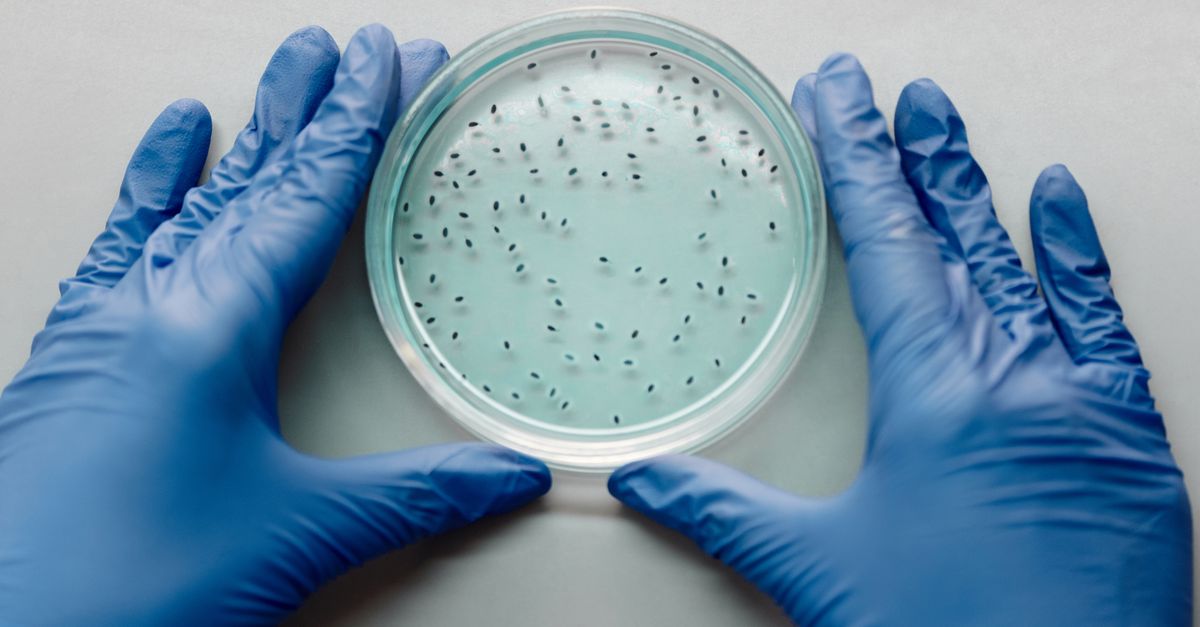
This is the uncomfortable truth: we are the first generation to host a significant plastic load in our bodies from birth. Researchers have found microplastics in human placentas, in breast milk, and in the meconium (a baby's first stool). We are conducting a planet-wide, uncontrolled experiment on human health, and the long-term data won’t be in for decades.
What does a lifetime of cumulative exposure mean? We simply don’t know yet. But when the building blocks of our cells are interacting with foreign synthetic materials from conception, it’s naive to assume the consequences will be trivial.
Fighting Back in a Plastic World
Okay, this is the part where it’s easy to feel hopeless. I’ve felt it. But paralysis isn’t an option. While systemic, global change is non-negotiable (we need better regulations and corporate accountability yesterday), there are personal choices that can reduce your personal exposure. Notice I said reduce, not eliminate. In this world, elimination is a fantasy.
Ditch Bottled Water: This is the lowest-hanging fruit. Get a high-quality glass or stainless-steel water bottle and a filter for your tap. It’s better for your body and the planet. Embrace Natural Fibers: Choose clothing made of cotton, wool, linen, or hemp over polyester, nylon, and acrylic, especially for items worn close to the skin. Dust and Vacuum (with a HEPA filter): A huge amount of indoor microplastic is in household dust. Regular damp dusting and using a HEPA-filter vacuum can cut down what you’re breathing in. Avoid Heating Food in Plastic: Never microwave in plastic containers. Heat can cause chemicals to leach into your food. Use glass or ceramic instead. Vote with Your Wallet & Your Vote: Support companies moving toward plastic-free packaging. Advocate for local plastic reduction policies and for robust international treaties on plastic pollution.

The Real Question We Need to Ask
The science on microplastics in our bodies is moving faster than our policy, our habits, and our collective fear. We now know they’re there. We’re beginning to understand they’re likely harmful. The pressing question is no longer "Are they inside us?" but "What are we going to do about it?"
Will we wait for definitive, irreversible proof of harm—the proverbial smoking gun in our arteries—before we treat plastic pollution with the urgency it demands? Or will we act on the precautionary principle, the understanding that flooding our environment and ourselves with persistent synthetic particles is a profoundly dangerous gamble with human biology?
The research isn’t just a warning about our health; it’s a mirror held up to our disposable culture. Cleaning up this mess starts with refusing to accept it as normal.
Follow us: YouTube. Follow for more great content!





