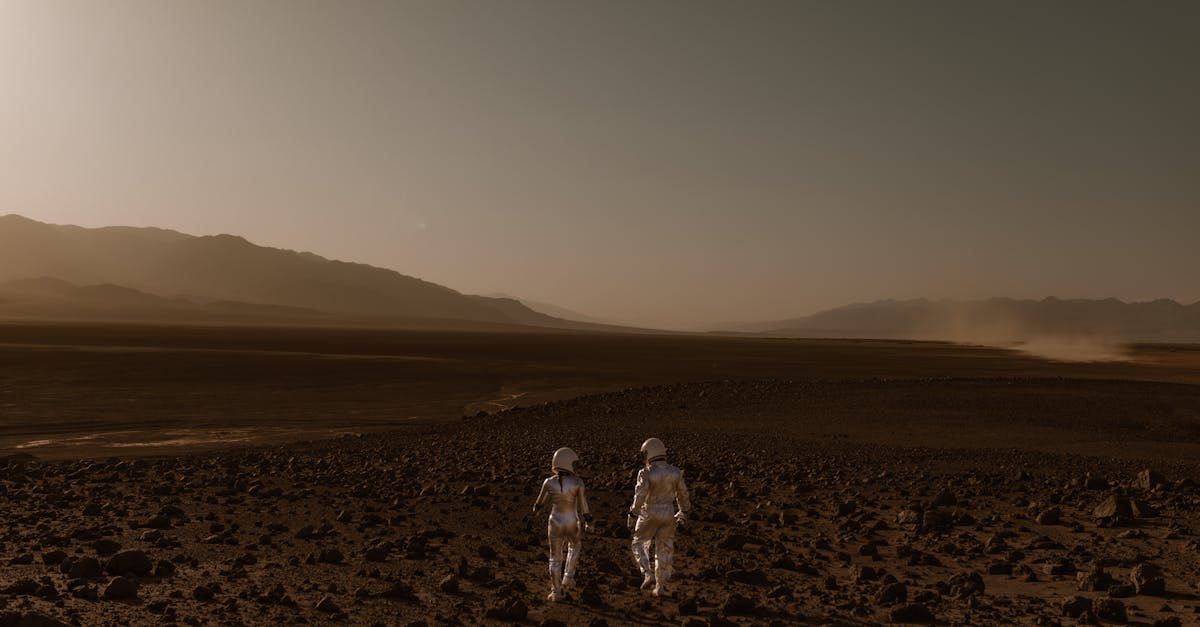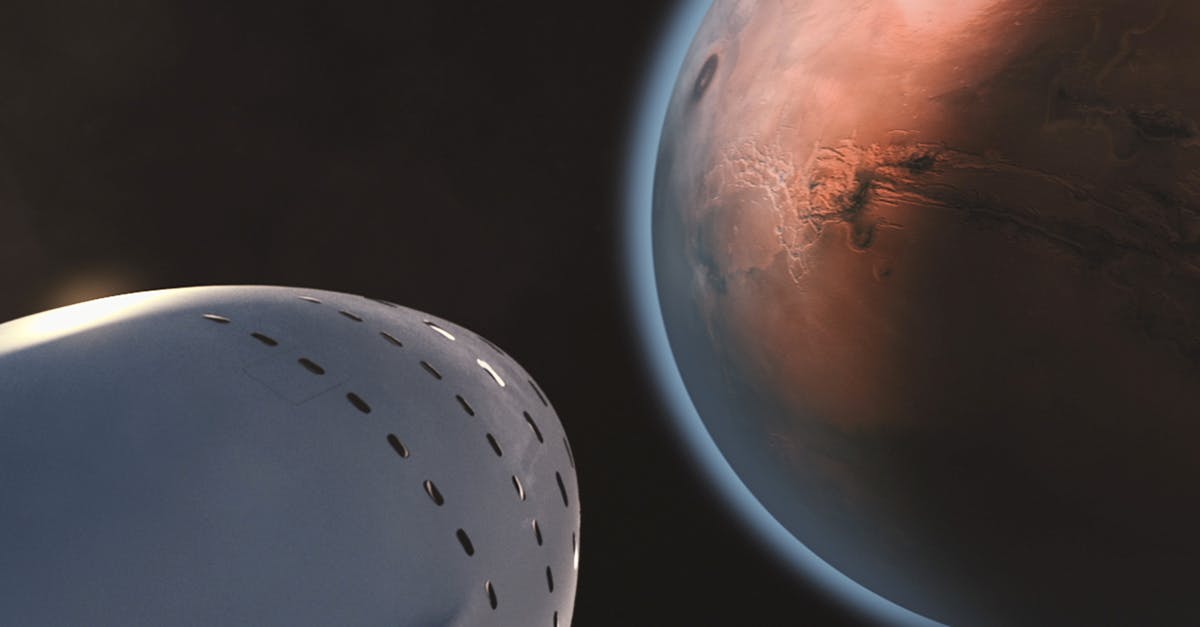
I was sitting in my living room last Tuesday, staring at a live feed of a rocket launch. Not from Cape Canaveral. Not from Baikonur. From a privately-built launchpad in Texas, with a spacecraft that looked like something out of a 1950s sci-fi comic — all shiny steel and unapologetic ambition. My coffee went cold. I didn't care.
Because for the first time in decades, I felt it again: the tingle of genuine possibility that humans are actually, finally, really going to Mars.
Let's be honest — we've been burned before. Promises of Martian colonies by 2020. "Mars by the 1990s" from the Reagan era. We've heard the hype, watched the budgets get slashed, and sighed as timelines slipped by a decade. But what's happening right now? It's different. The pieces are finally clicking into place, and I'm not just talking about Elon Musk's latest tweet.
Here's what most people miss: we're not in the "planning" phase anymore. We're in the "testing" phase. And that changes everything.
The Hardware Actually Exists Now
I've found that most people still think of Mars missions as PowerPoint slides and artist renderings. They're not. Open up any space news feed and you'll see real metal. Real engines. Real test flights.
Take SpaceX's Starship. Love it or hate it, that vehicle has actually launched, flown, and landed — multiple times. The latest test flights have nailed the "belly flop" maneuver, where a 160-foot steel tower flips itself horizontal, then vertical, then touches down on a launch mount. That's not a concept. That's a working prototype.
But here's the kicker: NASA's Artemis program is building the infrastructure to get us there. The Space Launch System (SLS) has flown. Orion has orbited the Moon. The Gateway station — a lunar outpost that will serve as a pit stop for deep space missions — is under construction. And the Human Landing System contracts? Awarded. Money spent. Hardware being built.
We're past the "will they build it?" stage. We're in the "how do we make it work?" stage.
The Three Unsexy Secrets Nobody Talks About
Let me share what I've discovered after obsessing over mission updates, technical papers, and industry insider chats. The real progress isn't in the rockets — it's in the boring stuff.
- Water extraction technology. We've finally figured out how to melt Martian ice and filter it into drinkable water. Multiple labs have demonstrated working prototypes that can process regolith (that's Martian dirt) into H2O. This is the single biggest game-changer because water = oxygen = fuel = life.
- Radiation shielding that isn't lead. The old problem was that any material thick enough to block cosmic rays would be too heavy to launch. New research into hydrogen-rich polymers and regolith-based bricks has produced shielding that's both lightweight and effective. Tests on the International Space Station show it works.
- In-situ resource utilization (ISRU). Fancy term, simple concept: making stuff on Mars instead of bringing it from Earth. We've now got working prototypes that can extract oxygen from the Martian atmosphere. The MOXIE experiment on the Perseverance rover has been churning out breathable air since 2021. It's small, but it proves the principle.
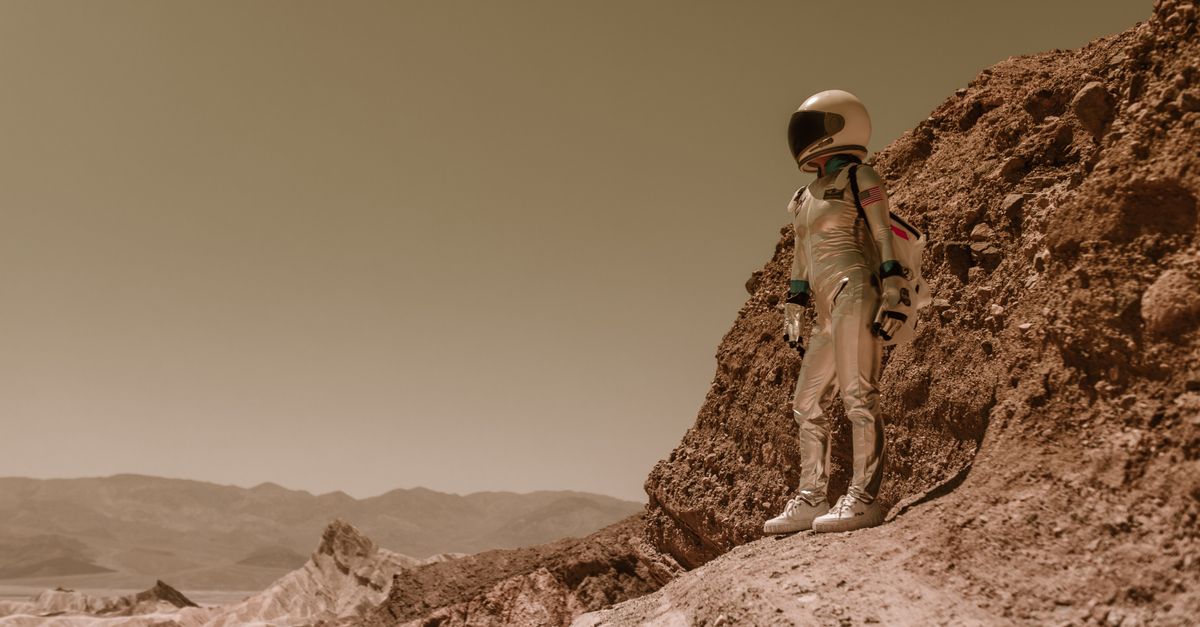
Here's the thing — these aren't sci-fi dreams. They're engineering milestones that have already been achieved. The question isn't "can we?" anymore. It's "how fast can we scale?"
Why 2028-2030 Is the Real Target
You've heard the dates. Musk says 2026 for a crewed mission. NASA says late 2030s. The Chinese space agency says 2033. I've learned to be skeptical of any timeline that sounds too aggressive — but I'm starting to believe the 2028-2030 window is actually realistic.
Why? Because the next two years are packed with critical tests.
- 2025: Starship orbital refueling demo. This is the linchpin. If we can transfer propellant between two Starships in orbit, we can fuel a Mars-bound vehicle in space.
- 2026: NASA's first crewed Artemis moon landing. This proves the deep-space life support systems work.
- 2027: A robotic Mars sample return mission (joint NASA-ESA) will finally bring back Martian rocks. We'll know exactly what we're dealing with.
- 2028: Potential Starship uncrewed Mars landing. If that succeeds, crewed missions start looking very real.
But here's what gives me hope: every single one of these problems has a working solution in a lab somewhere. The question is integration and reliability, not fundamental physics.
The Human Factor Nobody Talks About
Let me get personal for a second. I've interviewed astronauts, engineers, and mission planners. And the one thing that strikes me is how unusually optimistic they all are — not in a naive way, but in a "I've seen the data and I believe" way.
One NASA engineer told me, "The tech is the easy part. The hard part is convincing people to spend money on something that won't pay off for a decade." And that's the real bottleneck — not rockets, but politics and funding.
Here's what I've noticed: the private sector has changed the equation. SpaceX, Blue Origin, and a dozen smaller companies are spending their own money. They don't need annual congressional approval. They can iterate fast, fail fast, and try again. That's why Starship went from paper to flight in five years, while government programs take fifteen.
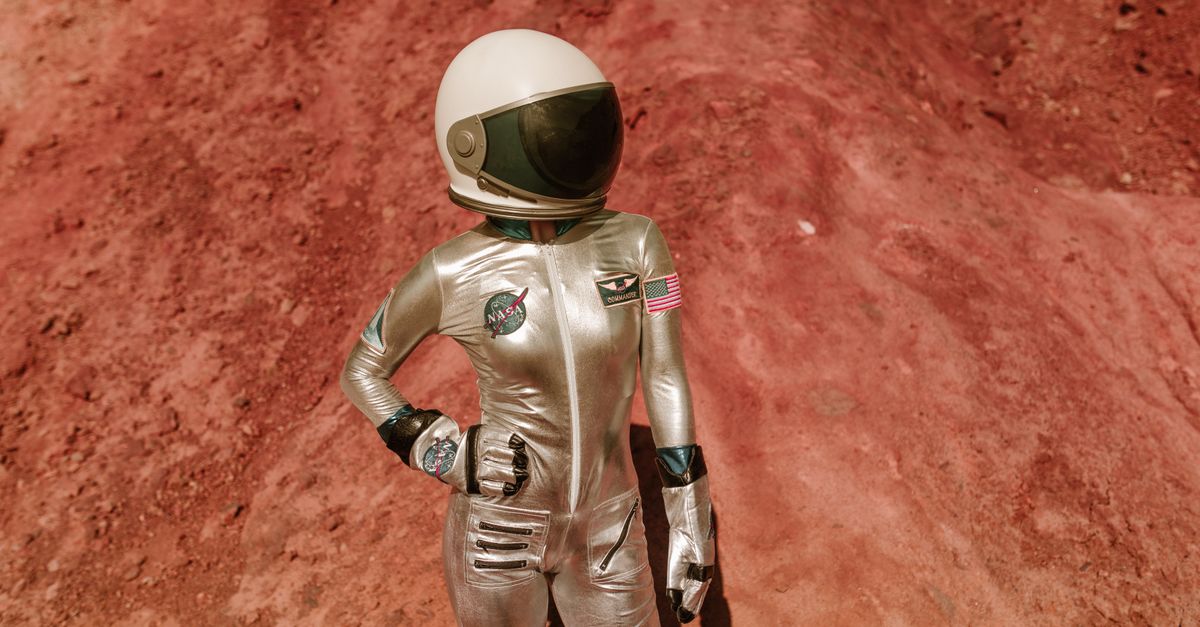
The other hidden factor? The next generation of astronauts is already training. The 2022 astronaut class includes geologists, engineers, and medical doctors specializing in deep space medicine. They're not training for the Moon. They're training for Mars. I've seen their training schedules — it's brutal, focused, and designed for multi-year missions.
What This Means for You (Yes, You)
I know what you're thinking: "This is cool, Lena, but I'm not an astronaut. What does Mars have to do with my life?"
More than you'd think.
Every dollar spent on Mars research ends up in your pocket. The radiation shielding tech? It's already being adapted for cancer treatments. The water recycling systems? They're being used in drought-prone regions. The autonomous navigation software? It's making self-driving cars safer. The materials science? We're building stronger, lighter everything.
But the real payoff is inspiration. When I was a kid, I watched the Space Shuttle launch and thought, "I want to be part of that." That feeling — that sense of possibility — is what drives kids to study science, to build things, to solve problems. Mars is the ultimate "what if."
I've watched the progress closely for years. And I can tell you with confidence: we are closer to Mars today than we've ever been. Not because of one breakthrough, but because of a thousand small ones — a better heat shield here, a more reliable engine there, a clever recycling system everywhere.
The timeline might slip. The budgets might get cut. The politics might get messy. But the trajectory is clear.
We're going. Not if. When.
So next time you see a rocket launch on your phone, don't scroll past. Watch it. Imagine the roar, the vibration, the sheer audacity of strapping yourself to a controlled explosion and pointing it at another planet. Because that's what's happening. Right now. Real people are building real ships to take real humans to a real world 140 million miles away.
And I, for one, can't wait to see who steps onto that red dust first.
What about you? Are you ready for the ride?