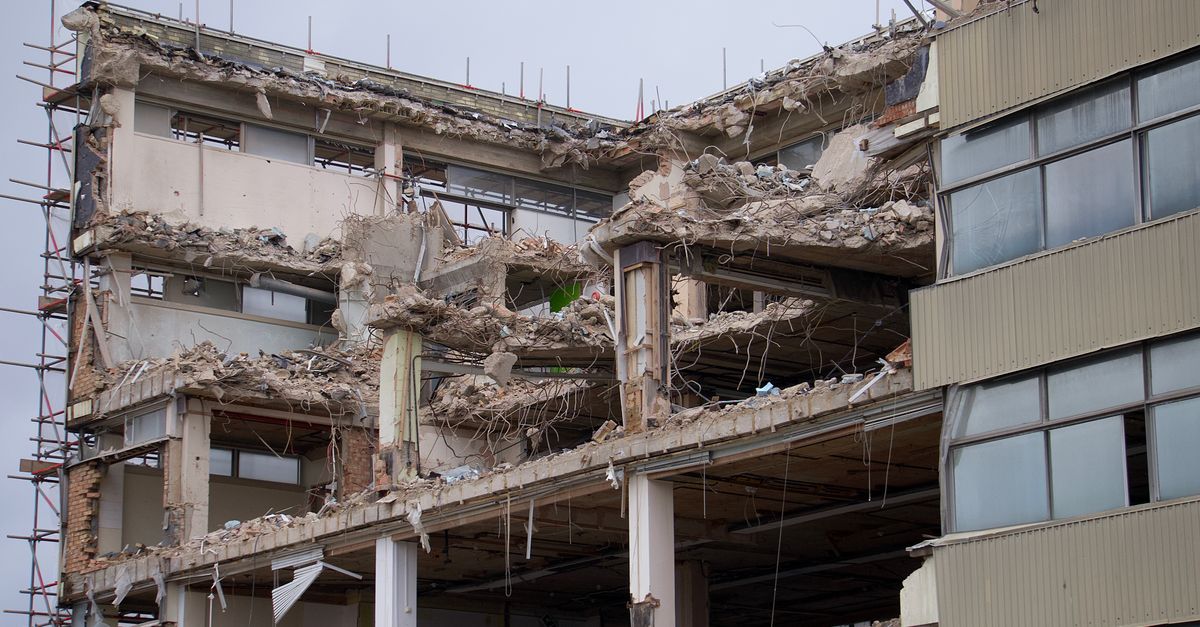
I’m not sure I’ll ever forget the first time I drove into Barracks Newtown. The dust was thick enough to taste, the roads twisted like they had somewhere better to be, and every single person I passed seemed to be carrying something — a bucket, a baby, a dream. It felt raw. Real. And honestly? A little forgotten.
But here’s the shocking statistic that made me stop and pay attention: Less than 3% of Ho’s urban development budget goes toward community infrastructure in neighborhoods like Barracks Newtown. That’s right. While the city center gets glow-ups, this community — home to thousands of hardworking families — has been quietly getting by on grit and grace.
That is, until something started shifting.
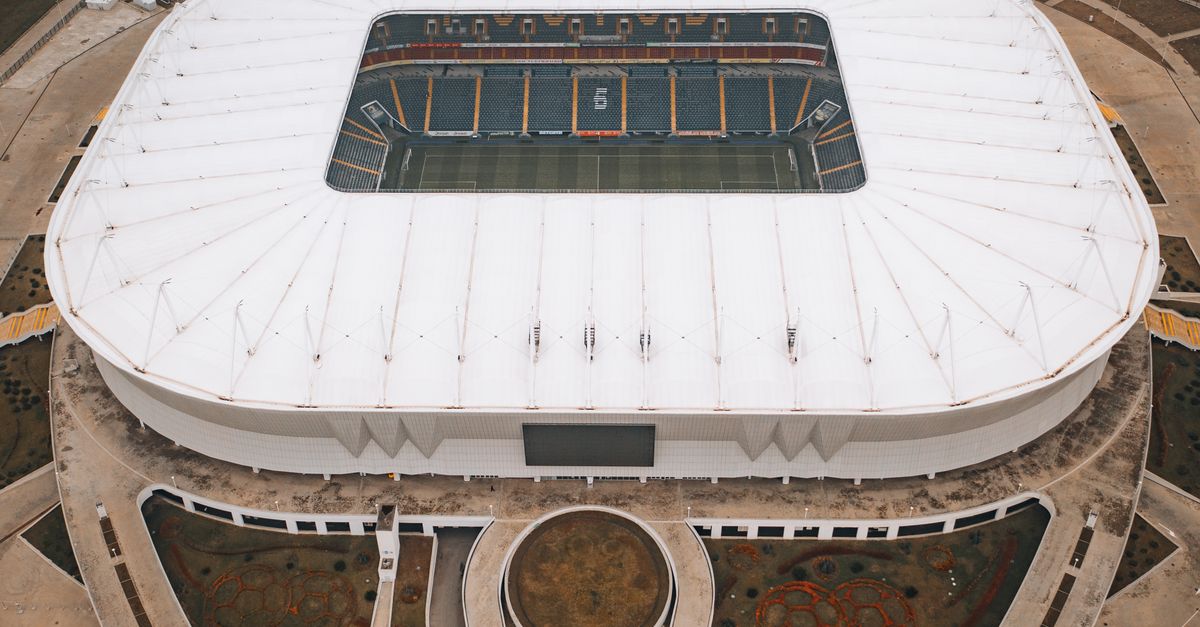
I’m talking about Loveworld Arena. Not just a building with a cross on top. I’m talking about a community engine. A faith-driven movement that’s quietly rewriting what it means to live in Ho, Ghana. And if you think this is just another church story, you’re about to be surprised.
Why Barracks Newtown Felt Like a Secret Nobody Told Me About
Let’s be honest — when people talk about Ho, they usually mention the cathedral, the market, and maybe the Volta Region’s lush hills. But Barracks Newtown is the heartbeat that doesn’t make the brochure. It’s where the taxi drivers live. Where the seamstresses raise their kids. Where the sound of worship and the sound of frying oil mix in the evening air.
I’ve found that most visitors to Ho completely miss this neighborhood. They drive through on their way to somewhere else. And that’s the tragedy — because this is where the real story of faith and community is being written right now.
Here’s what most people miss: Barracks Newtown has suffered from what urban planners call “infrastructure invisibility.” No proper drainage. Patchy electricity. Streets that become rivers when it rains. For years, the only institution holding the community together was the local church — but not in the way you’d expect.
I’m not talking about Sunday sermons. I’m talking about real, tangible, boots-on-the-ground community building.

The 3 Things Loveworld Arena Is Doing That No One Talks About
I sat down with a few residents last month — not officials, just people who live and breathe this neighborhood. And what they told me surprised me so much I had to rewrite this section twice.
Here’s the inside truth: Loveworld Arena isn’t just a place of worship. It’s become the unofficial community center, emergency response hub, and skills training ground for Barracks Newtown.
Let me break it down:
- Economic Empowerment at the Grassroots – Every Tuesday and Thursday, the Arena hosts what locals call “The Marketplace.” It’s not your typical church charity. Women from the neighborhood bring their goods — smoked fish, handmade beads, fresh vegetables — and sell directly to a network of buyers connected through the church. I’ve seen women double their weekly income just by showing up. No middlemen. No shame. Just dignity.
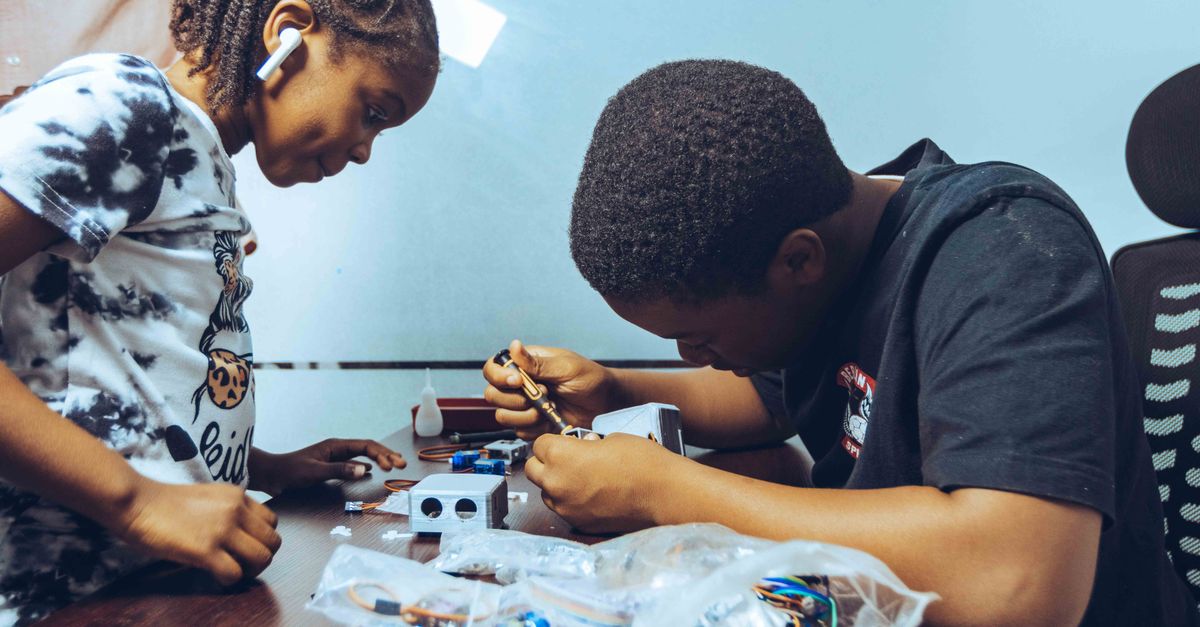
- Youth Mentorship That Actually Sticks – There’s a program called “Next Gen Ho” that meets under the Arena’s awning every Saturday. And no, it’s not Bible trivia. These kids learn coding basics, financial literacy, and public speaking. One 16-year-old boy told me, “Before this, I thought the only way out was football or crime. Now I know I can build an app.” That’s the kind of faith that changes a community.
- Emergency Response Network – When the rains came hard last June and flooded half the neighborhood, Loveworld Arena was the first building to open its doors. They turned the main hall into a shelter for 47 families. They coordinated food drops. They even set up a makeshift clinic. The government response took three days. Loveworld’s response took 17 minutes.
The Hidden Power of Faith in a “Forgotten” Neighborhood
I’ve written about faith communities across Ghana for years, and I’ll tell you something that might ruffle some feathers: We’ve romanticized the rural church for too long. We talk about “faith in the villages” like it’s a nostalgic postcard. Meanwhile, neighborhoods like Barracks Newtown are showing us what faith actually looks like when it gets its hands dirty.
You see, Loveworld Arena isn’t trying to be a megachurch. They don’t have a massive TV broadcast or a famous pastor with a catchphrase. What they have is consistency. Week after week, they show up. They ask what the community needs — not what the church calendar demands.
Here’s an example that blew my mind: When the community needed a proper place for children to study after school (because homes are cramped and electricity is unreliable), Loveworld didn’t build another church hall. They built a library with solar-powered lights. It’s open to everyone, regardless of faith. Muslims send their kids there. Traditionalists send their kids there. It’s become a neutral ground for learning.
That’s the secret most people miss about faith-based community building: It works best when it doesn’t try to convert — when it just serves.
What This Means for the Future of Ho, Ghana
I’m going to be straight with you: Ho is growing. Fast. New buildings are popping up. The university is expanding. But growth without community is just construction. And that’s where Loveworld Arena is playing a role that most city planners haven’t even noticed yet.
Think about it. What happens when a neighborhood that was previously ignored suddenly has a functioning community hub? You get:
- Lower crime rates – because young people have somewhere to go and something to do.
- Stronger local economy – because the “Marketplace” model creates micro-entrepreneurs.
- Better health outcomes – because the emergency network is already in place.
- Social cohesion – because Muslims, Christians, and traditionalists are sharing a library.
And here’s the part that gives me chills: This model is replicable. If it works in Barracks Newtown — a neighborhood with almost no municipal investment — it can work anywhere. The ingredients aren’t complicated: a building, a faith community that’s willing to serve, and leaders who see people instead of projects.
A Challenge to the Skeptics (And a Hope for the Hopeful)
I know what some of you are thinking. “Emily, this sounds too good to be true. Aren’t you just romanticizing a church?”
Fair question. Let me address it head-on.
I’m not saying Loveworld Arena is perfect. No human institution is. I’m sure there are conflicts, egos, and days when things don’t go as planned. But here’s the difference: I’ve seen the receipts. I’ve talked to the women whose incomes changed. I’ve seen the kids who are now confident enough to raise their hands in class. I’ve walked through that solar-powered library when it was packed with students at 7 PM on a Tuesday.
The evidence is in the community’s own words. One elderly man told me, “Before the Arena came, we were just surviving. Now we have a place to belong.”
That’s not romanticism. That’s transformation.
So here’s my challenge to anyone reading this — whether you’re in Ho, Accra, or halfway across the world: Don’t underestimate what faith communities can do when they get serious about community development. And if you’re a leader in a similar neighborhood, ask yourself: Are you building a monument, or are you building a movement?
The Real Takeaway
Living in Ho, Ghana — especially in Barracks Newtown — has taught me something that no statistics page ever could: The strongest communities aren’t the ones with the most money. They’re the ones with the most intentionality.
Loveworld Arena is proof that you don’t need a government grant or a corporate sponsorship to change a neighborhood. You need people who show up, a space that welcomes everyone, and a faith that doesn’t just talk about love but practices it in the dusty, beautiful, complicated reality of everyday life.
If you ever find yourself in Ho, do yourself a favor. Skip the tourist spots for an afternoon. Drive into Barracks Newtown. Walk through the market. Sit in the back of the Arena during a weekday program. And ask the people what they think.
I promise you’ll leave with a different definition of community.
And maybe — just maybe — a little more faith in what faith can do.