
Let me tell you something about music scenes that most people completely miss. They think it’s all about the headliners, the streaming numbers, the festival lineups. And sure, that stuff matters. But the real magic? The stuff that actually changes lives? That happens in the communities where music isn’t just listened to—it’s lived.
I’ve spent years watching neighborhoods transform through sound, and I’ve never seen anything quite like what’s happening in Barracks Newtown, Ghana. Specifically, inside a space called Loveworld Arena. This isn’t just another venue. It’s a heartbeat. A meeting point. A place where the rhythm of a neighborhood is literally being rewritten.
And if you’re someone who cares about music’s power to build, to heal, to connect—you need to know about this place.
The Sound of a Neighborhood Finding Its Voice
Let’s be honest: Barracks Newtown isn’t the first place tourists think of when they picture Ghana’s music scene. You think Accra. You think Kumasi. You think coastal towns with beachside bars playing highlife until sunrise. But here’s what most people miss: the most authentic music scenes grow where no one is looking.
Barracks Newtown has always had rhythm. It’s a working-class community with a pulse that’s felt more than heard. But for years, that pulse was scattered. Kids with talent but no stage. Musicians with songs but no audience. A community with energy but nowhere to channel it.
Then Loveworld Arena showed up.
I’ve found that the best community spaces don’t just host events—they create them. Loveworld Arena didn’t wait for a music scene to happen. They built the stage. They turned up the speakers. They said, “You bring the talent, we’ll bring the space.”
And the people of Barracks Newtown showed up. Not just as spectators, but as participants. This is where the magic starts.
More Than a Venue—A Community Engine
Here’s the thing about traditional music venues in a lot of cities: they feel exclusive. You need money for the ticket. You need the right clothes. You need to know someone. But Loveworld Arena operates differently.

I’ve walked through those doors, and let me tell you—it’s not about the VIP section. It’s about the vibe section. Everyone is welcome. The kid from the corner who just wrote his first rap verse. The grandmother who remembers highlife from the 60s. The teenager discovering Afrobeat for the first time.
Loveworld Arena has become an incubator for local talent. Here’s what they do that most people don’t:
- Free open mic nights every Thursday – No cover, no judgment, just raw talent
- Workshops with established Ghanaian artists – Real mentorship, real connections
- A recording corner – Basic gear, but enough for a demo that can change a life
- Community choir sessions – Because some voices sound better together
- Youth mentorship programs – Teaching not just music, but discipline and teamwork
That’s what community building looks like. It’s not a slogan on a poster. It’s a teenager finding his voice on a Thursday night.
The Ghanaian Music Ecosystem Gets a New Hub
Let’s zoom out for a second. Ghana’s music scene is exploding globally. Azonto, Afrobeat, highlife, gospel—the world is finally paying attention. But a thriving national scene needs local anchors. It needs places where artists can fail safely, experiment freely, and grow organically.
Loveworld Arena is becoming one of those anchors.
I’ve talked to artists who’ve played there. They say the same thing: the crowd is real. Not phone-obsessed influencers looking for content. Not people waiting for a big name. Just people who love music. People who will cheer for a rookie with a shaky voice because they respect the courage it took to get on stage.
This creates a feedback loop that’s essential for any music scene:
- Local talent gets stage time
- They improve through real performance
- The community supports them
- Word spreads beyond Barracks Newtown
- Bigger opportunities emerge
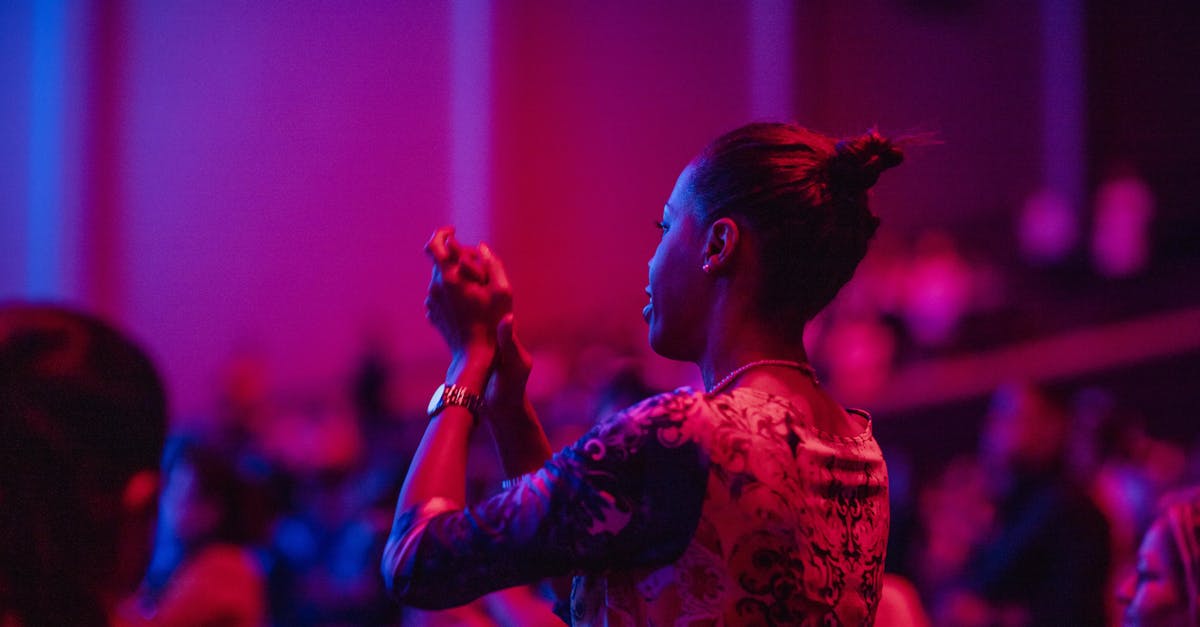
Why This Matters for Every Music Lover
Here’s where I get personal. I’ve been to a lot of shows. I’ve seen stadium tours, underground basement gigs, festival main stages. But nothing hits me like watching a community own its music.
When you go to Loveworld Arena on a Friday night, you’re not just hearing songs. You’re hearing the story of Barracks Newtown. You’re hearing the hopes of kids who want more. You’re hearing the resilience of a neighborhood that refuses to be ignored.
And let’s be real—this isn’t just a feel-good story. It’s a blueprint. Every city, every town, every neighborhood has the potential for this kind of transformation. All it takes is three things:
- A space that’s accessible
- A community that’s willing
- A belief that music matters
The Rhythm Continues
I’m not going to pretend everything is perfect. Barracks Newtown still faces challenges—infrastructure gaps, economic pressures, the usual struggles of a growing community. But music isn’t a magic wand. It’s a tool. And when used right, it can soften hard edges, build bridges, and remind people that they’re part of something bigger.
The other night, I stood outside Loveworld Arena after a show. The music had stopped, but the energy hadn’t. Groups of people were still talking, laughing, hugging. Kids were running around with imaginary microphones. A guitarist was showing a teenager a chord progression.
This is what a stronger community looks like. It’s not a finished product. It’s a living thing. It grows, it changes, it sometimes stumbles. But it keeps moving forward.
And that’s the real song being written in Barracks Newtown.

What You Can Do
Maybe you’re reading this from halfway across the world. Maybe you’re in Ghana right now. Either way, this story isn’t just about one venue or one neighborhood. It’s about what happens when we invest in the places where music lives.
If you’re an artist, find your local Loveworld Arena. If you’re a fan, show up to your local open mic. If you’re a community leader, build the stage.
Because here’s the truth: music doesn’t just entertain us. It connects us. And in a world that’s constantly trying to pull us apart, that connection is worth everything.
So next time you hear a song that moves you, remember where it might have started. Maybe in a studio. Maybe in a bedroom. Or maybe—just maybe—in a vibrant, sweaty, joyful space called Loveworld Arena, in a neighborhood called Barracks Newtown, in a country called Ghana.
The beat goes on. And it’s getting stronger.


