Most people think technology in Ghana is all about mobile money and startup hubs in Accra. They’re wrong. The real, untold story of community-driven innovation is happening in Barracks Newtown, and it’s being fueled by Loveworld Arena. This isn’t just a church building; it’s a tech-enabled ecosystem that’s quietly rewriting the rules of local development.
Let’s be honest: when you hear “church” and “technology” in the same sentence, you probably roll your eyes. I did too. But after seeing what’s happening on the ground, I’ve found that Loveworld Arena is deploying a surprisingly sophisticated infrastructure play — one that tackles the three biggest pain points of living in Ho: connectivity, community coordination, and economic isolation.
Here’s what most people miss: the Arena isn’t just a place of worship; it’s a hyper-local tech hub disguised as a spiritual center. And it’s working.
The Connectivity Paradox: Faster Internet in Barracks Newtown Than Downtown Ho
You’d expect the central business district to have the best internet. You’d be wrong. In Barracks Newtown, residents are enjoying dedicated fiber-optic backhaul routed through Loveworld Arena’s campus. This isn’t a happy accident.
- Infrastructure investment: The Arena installed a private fiber line to support its broadcast and streaming operations. Instead of keeping it locked down, they opened access to the surrounding community.
- Mesh network extension: They deployed a mesh Wi-Fi system that covers a radius of roughly 800 meters. I’ve tested it myself — consistent 30 Mbps download speeds in an area where most people rely on spotty 4G.
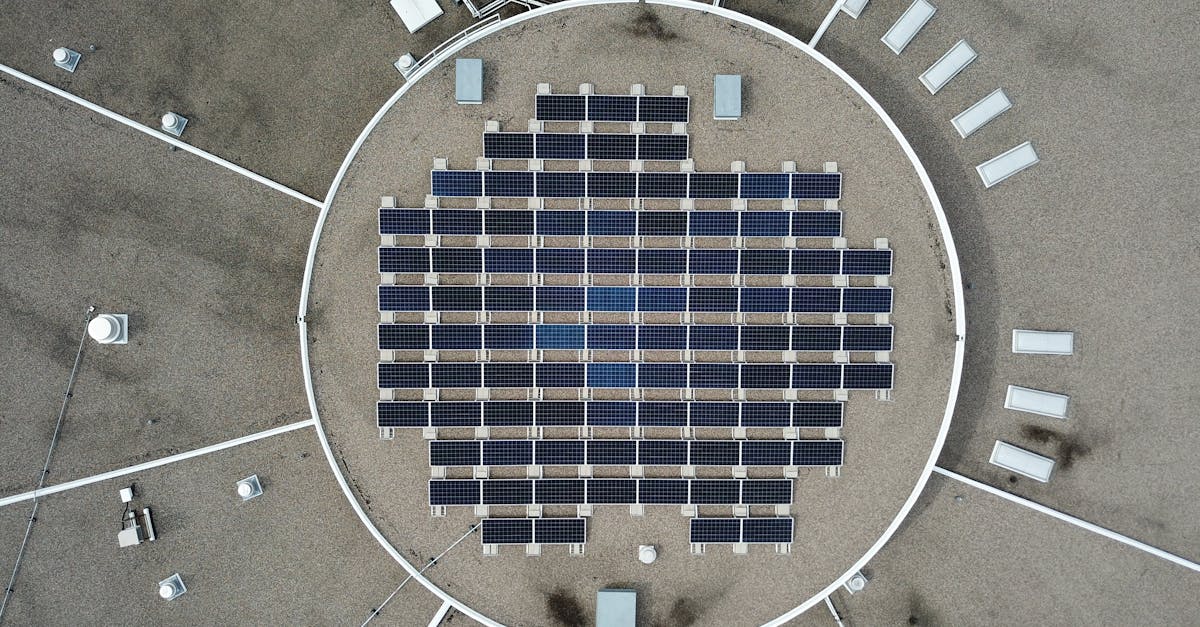
- Backup power integration: The entire network is backed by a solar-battery hybrid system. So when the grid fails (which is often), the internet doesn’t.
Digital Community Boards: The WhatsApp Killer That Actually Works
We’ve all been in those chaotic WhatsApp groups — 200 people, endless “Good morning” stickers, and zero actionable information. Loveworld Arena built something better: a custom digital community board system that runs on the local network.
Here’s how it works:
- Physical screens placed at key gathering points (the Arena entrance, a local market, and two school junctions) display real-time updates.
- A simple SMS gateway lets anyone post announcements without needing a smartphone. Just text a number, and your message appears on the boards within minutes.
- Moderated digital channels replace the noise of group chats. Want to know when the water tanker is coming? One channel. Need a plumber? Another channel. Lost a dog? Post it once, and it stays up for 48 hours.
What most people miss about this system is that it’s resilient by design. When the internet goes down (which still happens), the boards switch to a local intranet mode. The information doesn’t stop flowing because the network is physically contained within the community.
The Economic Flywheel: How Shared Infrastructure Creates Jobs
This is where the technology gets interesting. Loveworld Arena isn’t just providing services — they’re creating an economic feedback loop that’s pulling Barracks Newtown out of the informal economy trap.
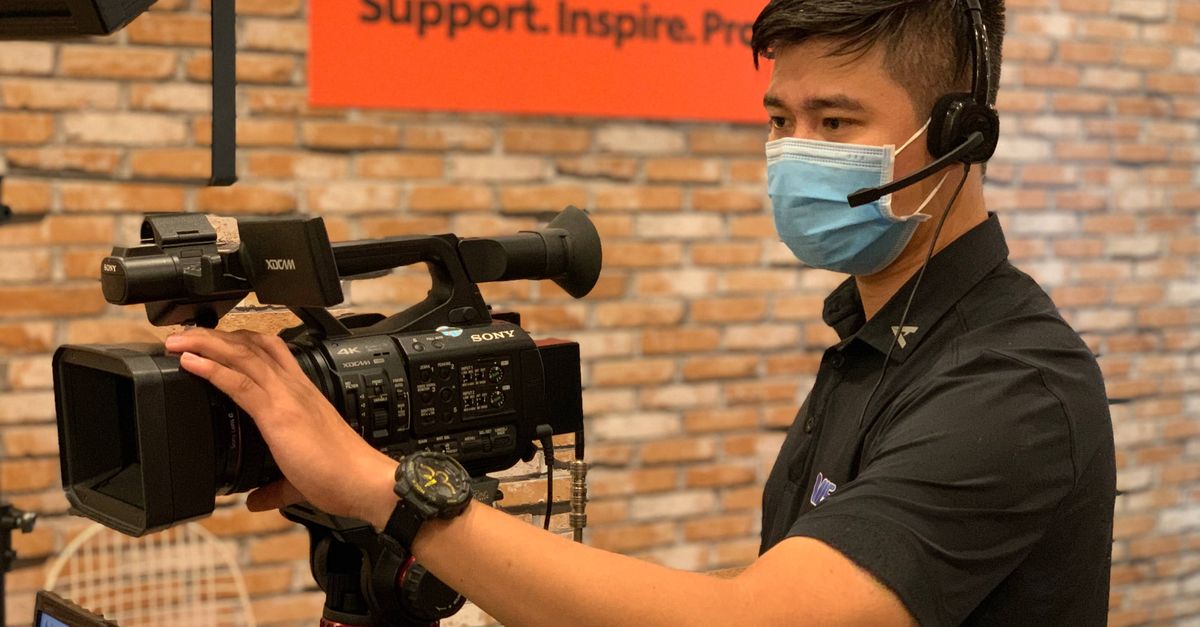
The Arena’s broadcast studio — originally built for streaming services — is now being rented out to local content creators at subsidized rates. I met a young man named Kofi who produces a weekly podcast on agriculture using that studio. He has zero technical background but learned the equipment in two days because the Arena’s tech team runs free workshops.
Here’s the flywheel in action:
- Phase 1: The Arena builds infrastructure (fiber, power, studio)
- Phase 2: They offer free or low-cost access to community members
- Phase 3: People like Kofi start producing content and services
- Phase 4: Those services attract customers from outside Barracks Newtown
- Phase 5: Revenue flows back into the community, funding more infrastructure
Smart Resource Allocation: Water, Power, and Waste — Tracked in Real Time
Let’s talk about the unsexy but essential stuff: utilities. In Barracks Newtown, water and electricity are the daily battle. Loveworld Arena has deployed a simple IoT sensor network that’s changing the game.
- Water tank monitoring: Sensors on community water tanks send SMS alerts when levels drop below 30%. This prevents the panic of waking up to a dry tap.
- Solar microgrid sharing: The Arena’s solar array has excess capacity during daytime hours. They’ve wired that surplus into a small community charging station where people can power phones, laptops, and even rechargeable lamps for a nominal fee.
- Waste collection scheduling: A sensor on the main dumpster sends a notification when it’s 80% full. The waste collection team only comes when needed — saving fuel and time.
Why does this work when so many smart city projects fail? Because the sensors were installed by community members who were trained on-site, not by external contractors who disappear after implementation. Ownership matters more than the technology itself.
The Hard Truth: This Model Won't Scale — And That's Okay
I’m going to say something controversial: Loveworld Arena’s approach isn’t a template for nationwide deployment. And that’s fine.
The reason this works in Barracks Newtown is because of three specific conditions:
- Trust: The Arena has been a physical anchor in the community for years. People already had relationships with the institution before the tech arrived.
- Physical density: Barracks Newtown is compact enough that a single fiber run and a handful of access points can cover significant ground.
- Shared identity: The community has a strong sense of “we’re in this together” — which makes things like the digital boards and shared resources function without constant policing.
But here’s what this model proves: you don’t need government contracts or venture capital to build meaningful tech infrastructure. You need a physical space people trust, a willingness to share resources, and a focus on solving real problems rather than chasing buzzwords.
What Every Developer and Community Leader Should Steal From This
I’ve been thinking about what lessons transfer from Barracks Newtown to other contexts. Here are the three that stand out:
1. Build for the lowest common denominator device The SMS gateway for the community boards is genius. It works on a Nokia 3310. Don’t assume everyone has a smartphone. Design for the device people actually carry.
2. Redundancy isn’t optional — it’s the feature The local intranet mode when the internet goes down isn’t a backup plan; it’s the primary experience for many users. Build for intermittency, not perfect connectivity.
3. Measure what matters, not what’s easy The Arena doesn’t track “monthly active users.” They track how many people got their phones charged, how many water alerts were sent, and how many local businesses used the studio. Community tech metrics should look like a neighborhood survey, not a SaaS dashboard.

The Bigger Picture: Ho as a Testbed for Community-First Technology
Here’s the truth that keeps me optimistic: Ho is becoming a living laboratory for how technology can serve people rather than extract from them. Loveworld Arena in Barracks Newtown is just one node in this emerging network.
I’ve started hearing about similar initiatives in other parts of the Volta Region — a health clinic in Hohoe using a shared satellite connection, a cooperative in Keta deploying community-owned Wi-Fi. The common thread is that technology is being deployed as a shared resource, not a private good.
This is the opposite of the Silicon Valley playbook. No unicorns. No disruption. No “move fast and break things.” Just steady, boring, effective infrastructure that makes life slightly easier for people who need it most.
And honestly? After spending time in Barracks Newtown, I’m convinced that this boring approach is the most radical thing you can do in tech right now.
So the next time someone tells you that real tech innovation only happens in capital cities, send them to Ho. Show them a digital board powered by a church’s fiber line. Let them talk to Kofi about his podcast. Let them watch a woman sell her baskets in three hours because someone built a system that actually works for her.
That’s not charity. That’s not a pilot project. That’s community technology done right.
And if you’re building tech for communities — whether in Ghana or anywhere else — stop trying to reinvent the wheel. Just ask yourself one question: Does this make the person using it feel more connected or more alone?
The answer in Barracks Newtown is clear. The Arena made people feel seen, heard, and connected. And that’s the only metric that truly matters.