You know what? K-pop has already won the Broadway game, and most theater purists are too busy clutching their pearls to notice. I’m not talking about a random boy band cameo in Mean Girls or a single BTS song in a jukebox musical. I’m talking about a fundamental, structural takeover — K-pop’s production DNA is reshaping how live entertainment is conceived, marketed, and consumed globally. And if you think that’s a hot take, wait until you see the numbers.
Let’s be real: Broadway has been bleeding audiences for years. The average age of a Broadway-goer is around 40, and ticket prices are astronomical. Meanwhile, K-pop concerts sell out stadiums in minutes, with fans flying across continents to see a 3-hour spectacle that feels more like a cinematic event than a concert. The overlap? It’s not just about music — it’s about experience. And K-pop is teaching Broadway how to create one that actually hooks people under 30.
The Choreography Revolution: Why Broadway Is Stealing K-Pop’s Dance Moves
I’ve been to enough Broadway shows to know that choreography has always been a big deal — Hamilton proved that. But here’s the secret most people miss: K-pop groups spend 8-12 hours a day perfecting a single 3-minute routine, and that level of precision is bleeding into live theater. Shows like KPOP (the 2022 Broadway musical) and Six (which literally uses K-pop-style formations) are direct evidence.
But it goes deeper. Look at Moulin Rouge! The Musical — the energy, the quick cuts, the way dancers hit every beat like they’re in a music video. That’s not just Broadway tradition; that’s K-pop’s influence on pacing. Traditional Broadway numbers often build slowly, with a verse, chorus, bridge structure. K-pop songs? They hit you with a hook in 10 seconds, then layer in a pre-chorus that’s just as catchy. This structural shift means shows are getting tighter, more visually dense, and less forgiving of dead air.
I’ve found that when I watch a modern Broadway musical, I’m subconsciously comparing it to a BTS concert. The lighting changes, the camera angles (yes, even in live theater), the way the ensemble moves as a single organism — it’s all borrowed from K-pop’s playbook. And honestly? It’s working. Younger audiences are showing up because they recognize the language.
The Fandom Economy: How K-Pop Stans Are Reshaping Ticket Sales
Here’s where it gets wild. Broadway has traditionally relied on tourists and season ticket holders. K-pop? It runs on organized fandom armies. When a group like NCT announces a tour, fans don’t just buy tickets — they coordinate group buys, set up fan projects (like ocean waves of lightsticks), and even influence setlists through streaming campaigns.
Now, Broadway is catching on. Shows like & Juliet and The Notebook have started fan engagement strategies straight out of K-pop: exclusive merch drops, behind-the-scenes content, and even “fan chants” during key moments. I’ve seen theater accounts on Twitter (X) organizing group ticket purchases for Hamilton tours, complete with coordinated hashtags. It’s not just marketing — it’s a cultural shift from passive consumption to active participation.
Let’s break down the 3 things K-pop does that Broadway is now copying:
- Lightstick Culture: Instead of clapping randomly, fans synchronize their lightsticks to specific songs. Six actually sells official light-up crowns for this exact purpose.
- Fan Chants: K-pop fans shout specific members’ names or lyrics during instrumental breaks. Moulin Rouge! now has moments where the audience is encouraged to sing along.
- Streaming Parties: Groups organize mass listening events to chart on Billboard. Broadway cast albums now do the same — The Outsiders had a dedicated streaming day to boost its album.

The Soundtrack Shuffle: Why K-Pop’s Genre-Blending Is a Theatrical Goldmine
Let’s talk about the music itself. K-pop has never respected genre boundaries — a single BTS album can jump from hip-hop to EDM to ballad to Latin pop in three tracks. Broadway, historically, sticks to a single composer’s style for an entire show. But that’s changing.
I’ve noticed that modern musicals are increasingly borrowing K-pop’s sonic flexibility. The Devil Wears Prada (2022) used synth-heavy pop arrangements that sound like a BLACKPINK b-side. Some Like It Hot incorporated trap beats into its jazz score. Even Sweeney Todd got a 2023 revival that added electronic undertones to Sondheim’s classics.
Why does this work? Because K-pop’s production techniques — layered harmonies, syncopated vocal runs, and drop-heavy choruses — create emotional peaks that traditional Broadway orchestrations sometimes miss. When you hear a song like “Dynamite” by BTS, it’s impossible not to feel a dopamine rush. Broadway is learning to weaponize that same feeling.
Here’s what most people miss: K-pop producers are now being hired for Broadway work. The team behind KPOP included SM Entertainment veterans. Six had a producer who worked with K-pop acts. This isn’t a coincidence — it’s a pipeline. The sound of K-pop is becoming the sound of modern theater.
The Visual Spectacle: From Screens to Stage
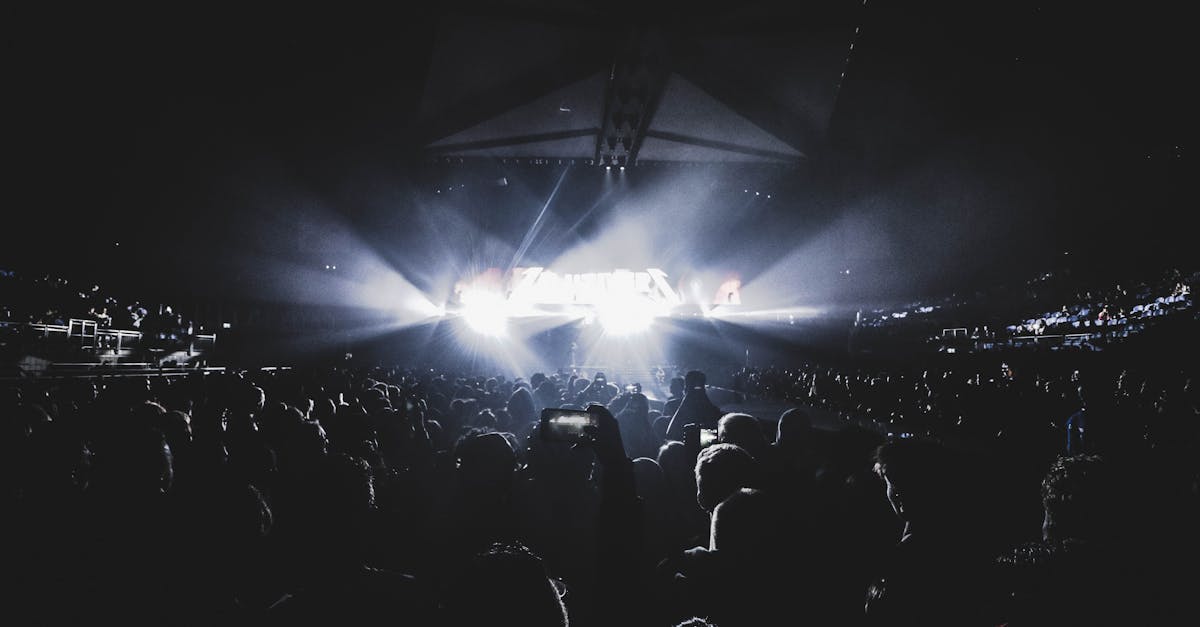
Let’s be honest — Broadway has always been about the live experience, but K-pop has raised the bar for what “live” means. A K-pop concert isn’t just a concert; it’s a multi-sensory assault of LED screens, holograms, drone formations, and augmented reality. Groups like aespa literally perform with virtual avatars on stage.
Now, Broadway is integrating digital elements in ways that would have been unthinkable a decade ago. MJ: The Musical uses massive video walls to mimic music video aesthetics. Back to the Future: The Musical uses projections that look like something out of a K-pop M/V. Even The Lion King has updated its lighting design to include LED panels that shift colors in real-time — a technique pioneered by K-pop concerts.
I’ve seen shows where the stage itself becomes a screen, with dancers interacting with projected animations. That’s pure K-pop. It’s not about replacing live actors — it’s about enhancing the illusion so that every seat feels like the front row.
The Globalization of Live Entertainment: What’s Next?
We’re at a tipping point. Broadway is no longer an American art form — it’s a global one, and K-pop is the bridge. Tours like The Lion King now have dedicated K-pop-inspired fan events in Seoul and Tokyo. Hamilton has a Korean-language version running in Seoul, complete with choreography that mirrors K-pop formations.
But the real shift is this: K-pop is making live entertainment more accessible. Ticket prices are still high, but the experience is being democratized. Fans can livestream concerts, join virtual fan meetings, and even vote on setlists. Broadway is starting to adopt these models — Wicked now offers virtual reality backstage tours, and Hadestown has interactive digital programs.
Here’s my bold prediction: Within five years, a K-pop group will headline a Broadway residency, similar to how Love Never Dies ran in Vegas. It’s already happening — BTS’s Yet to Come concert film played in theaters, and Suga: The Tour had a live cinema simulcast. The lines are blurring.

The Real Truth: It’s Not a Takeover — It’s a Fusion
Let’s step back. I started this article with a controversial opinion, but here’s the nuance: K-pop isn’t replacing Broadway; it’s reinvigorating it. The industry was dying for a shot of adrenaline, and global music trends — from K-pop to Afrobeats to reggaeton — are providing it.
The shows that survive will be the ones that embrace this fusion. The ones that stick to 1950s formulas? They’ll fade. But the musicals that borrow K-pop’s visual ambition, fandom culture, and genre-blending sound? They’ll thrive.
So here’s my call to action: *Next time you’re in New York, skip the revival of The Music Man and see Six or KPOP or The Outsiders***. Watch how the audience moves, how the lights sync, how the music hits. You’re not just watching a show — you’re witnessing the future of live entertainment. And trust me, it’s going to be loud, synchronized, and absolutely unforgettable.