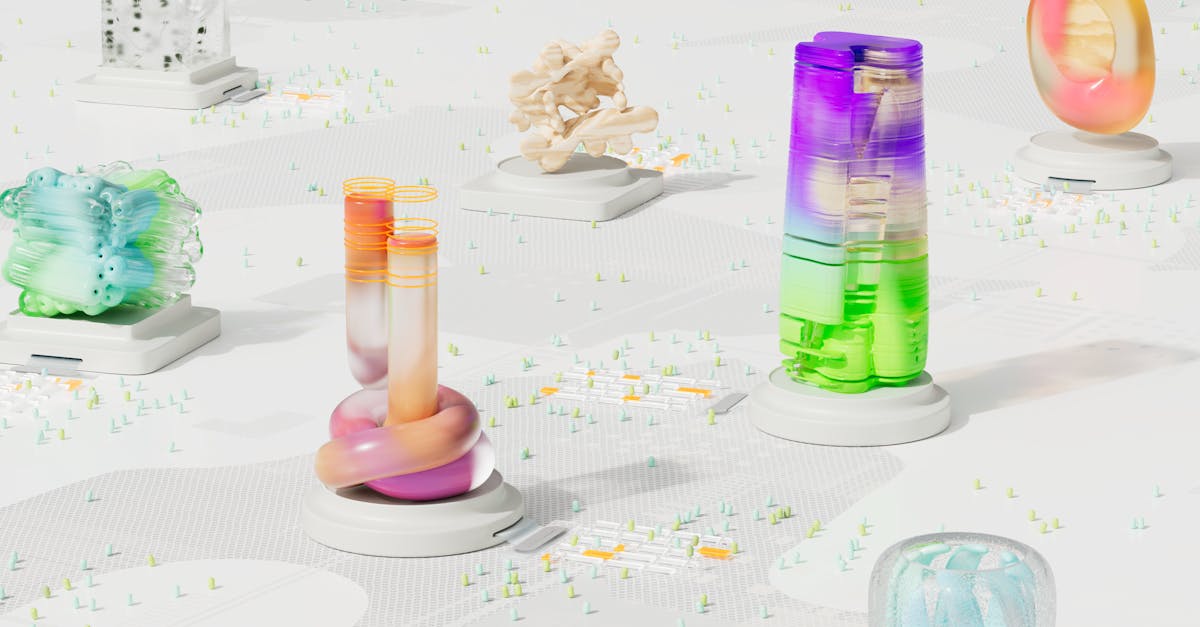
I remember the exact moment I stopped rolling my eyes at AI art. It was 3 AM, I was deep in a Twitter rabbit hole, and someone posted an image generated by Midjourney. It was a portrait of a Victorian-era astronaut holding a teacup, rendered in the style of Rembrandt. And it was... good. No, it was haunting. The lighting was perfect. The expression in the astronaut's eyes—a mix of loneliness and wonder—felt almost human.
I sat there, coffee gone cold, and asked myself the question that’s been haunting the art world ever since: Is this actually creative? Or is it just a really fancy copy machine?
Let’s be honest, most of us have a gut reaction to AI art. It’s either "Wow, the future is here!" or "This is a crime against human expression." But the truth? It’s way more complicated than that. And the ethics behind these generated masterpieces are just as tangled as the algorithms that create them.
The Algorithm’s Secret Sauce (It’s Not Magic)
Here’s what most people miss: AI doesn’t "create" from nothing. It doesn't have a soul, a morning coffee ritual, or a messy breakup that fuels its work. What it has is data. Mountains of it.
When you type "a cyberpunk cat in a rainstorm" into DALL-E or Stable Diffusion, here’s what’s actually happening:
- The AI scans its training data—millions of images scraped from the internet, labeled and categorized.
- It identifies patterns: what makes a cat look like a cat, what "cyberpunk" lighting looks like, how rain distorts light.
- It then reconstructs those patterns based on your prompt, mixing and matching elements in statistically probable ways.
But here’s the kicker: I’ve seen AI generate compositions that no human would ever think of. A perspective shift that’s physically impossible. A color palette that shouldn’t work but does. Is that creativity? Or is it just a happy accident from a very large math equation?

The Elephant in the Room: Who Owns the Inspiration?
This is where the ethics get sticky. And I mean, really sticky.
Every AI art model is trained on existing work. That includes the art of living, breathing, working artists. Those artists never consented to their style being fed into a machine that can now replicate it in seconds. You’ve seen the drama: illustrators finding their unique styles regurgitated by AI, often without credit or compensation.
I talked to a digital painter friend of mine about this. She was furious. "It took me ten years to develop my style," she said. "Now anyone can type 'in the style of [her name]' and get something passable in ten seconds. That’s not inspiration. That’s extraction."
She’s not wrong. But here’s the uncomfortable flip side: Human artists have always been inspired by each other. Picasso was "inspired" by African masks. Van Gogh was "inspired" by Japanese ukiyo-e prints. The line between inspiration and theft has always been blurry.
The difference? Scale and speed. A human artist takes inspiration and transforms it through their own lived experience. An AI takes the raw data and averages it out. It’s like the difference between a chef creating a new recipe and a food processor pureeing everything in sight.
So where do we draw the line? I don’t have a perfect answer, but I think it starts with transparency and consent. If an AI is trained on your work, you should know about it. And if someone uses that AI to profit from your style, you should be compensated.
Can a Machine Have a "Style"?
This is the question that keeps me up at night. We talk about "AI art" as if it’s a single thing, but it’s not. Every model has a distinct "voice."
Midjourney leans dreamy and painterly. DALL-E is more literal but playful. Stable Diffusion is raw and chaotic. These aren't just technical differences—they're aesthetic fingerprints. You can spot a Midjourney image from a mile away, even without the telltale artifacts.
But here’s the thing: that "style" is just the average of everything it was trained on. It’s not a choice. It’s a statistical center of gravity.
When I write, I make conscious choices. I use short sentences for impact. I reference pop culture because I think it connects with readers. I swear occasionally because it feels authentic. An AI can mimic those choices, but it doesn’t understand why they work.
Creativity isn’t just output. It’s intent. It’s the story behind the work. It’s the struggle.

The 3 Real Dangers of AI Art (It’s Not What You Think)
Everyone panics about AI replacing artists. I think that’s the wrong fear. Here’s what actually scares me:
- The Death of the "Happy Accident" – Some of the best art comes from mistakes. A brush slip. A mis-mixed color. AI optimizes for the "best" result, which can lead to sanitized, soulless perfection. We lose the human flaw that makes art interesting.
- Visual Pollution – We’re already drowning in content. AI makes it trivial to generate infinite images. What happens to value when supply is unlimited? We might end up in a world where nothing is special because everything is generated.
- The Homogenization of Imagination – If everyone uses the same tools, trained on the same data, won’t our collective visual imagination start to shrink? We might all end up dreaming in the same aesthetic.
The Surprising Secret: AI Makes Human Art More Valuable
Here’s the twist nobody saw coming: AI art might actually save human creativity.
Think about it. When photography was invented, everyone thought painting was dead. Why paint a portrait when a camera can capture it instantly? But what actually happened was that painting was freed. Artists no longer had to be realistic. They could explore impressionism, expressionism, surrealism. The camera took over the "job" part, so art could focus on the "soul" part.
I think the same thing is happening now. AI will handle the generic, the formulaic, the "I need a stock photo of a business handshake" stuff. And that’s fine. But the stuff that matters—the deeply personal, the technically groundbreaking, the emotionally raw—that will become more precious, not less.
A friend of mine recently bought a painting from a local artist. It was expensive. "Why not just generate something?" I asked. She looked at me like I’d grown a second head. "Because she painted it," she said. "Because her hands touched this canvas. Because it contains her time, her energy, her mistakes."
That is something no algorithm can replicate.
So, Is AI Art Really Creative?
After all this rambling, here’s my honest answer: No. But also yes.
Let me explain.
AI art isn’t "creative" in the human sense. It doesn’t have intention, emotion, or consciousness. It’s a tool, like a paintbrush or a camera. *But the process of using it can be creative. The prompt engineering, the curation, the iteration—that’s human creativity at work. The AI is just the medium.
The real question isn’t whether the machine is creative. It’s whether we are.
Are we using AI to amplify our own creativity, or are we using it to bypass the struggle that makes art meaningful? Are we creating because we have something to say, or because we’re addicted to the dopamine hit of generating something "cool" in ten seconds?
I don’t have a perfect answer. But I know this: the best art, whether made by hand or by algorithm, still requires a human heart behind it.
So go ahead. Generate that cyberpunk cat. But don’t forget to also pick up a brush. Scribble on a napkin. Make a mistake that’s uniquely yours.
That’s where the real magic lives.
What do you think? Have you used AI art tools? Did it feel creative, or just efficient? Drop a comment and let’s argue about it—I mean, discuss it.*




