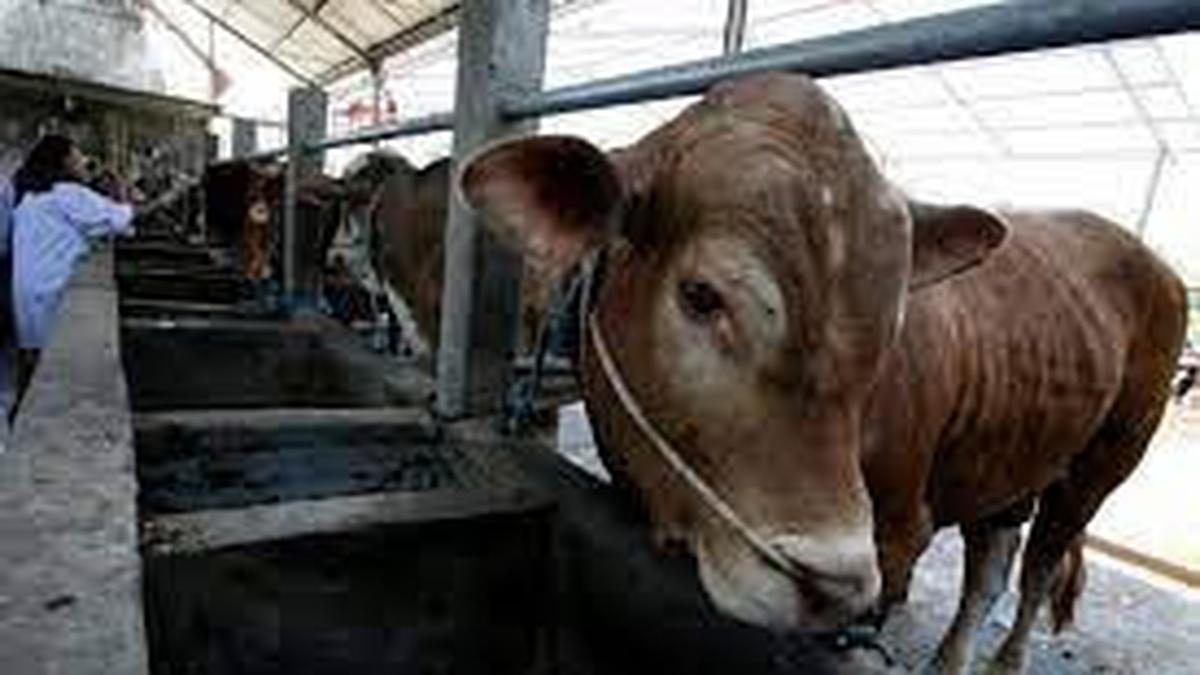
Livestock infected with anthrax should not be slaughtered for meat or consumed, according to Dr drh Denny Widaya Lukman, a lecturer at the School of Veterinary Medicine and Biomedical Sciences (SKHB) at IPB University. Speaking in comments published on the university's website and reported by Liputan6.com on Tuesday (20/10/2026), he warned that meat from animals that fell sick and died suddenly cannot be treated as safe, even after cooking. The warning comes as attention focuses on how the disease passes from animals to people.
Why it matters
Anthrax is caused by the bacterium Bacillus anthracis, which can form spores that protect it when environmental conditions turn hostile, Denny explained. Inside an animal or human body, the bacteria exist as vegetative cells that are infectious because of the anaerobic environment; outside a host, they take the form of spores. Those spores can persist in soil and the surrounding environment for decades, according to Liputan6.com. That means areas with a history of anthrax cases need particular attention to stop the disease from recurring.
How infection reaches people
One route of transmission from infected cattle and other ruminants is through eating contaminated meat or milk, Liputan6.com reports. The meat and organs of animals suffering from anthrax can carry vegetative bacterial cells capable of causing illness in humans.
Denny described how gastrointestinal anthrax can develop after a person eats contaminated food. The bacteria and their toxins damage tissue and then spread through the bloodstream, a condition known as bacteremia. In severe cases the infection can progress to sepsis, affecting multiple organs and potentially leading to death.
Symptoms vary depending on how many spores were ingested, a person's immune status and age, and whether bacteremia and sepsis develop, according to the report. Signs generally appear between one and seven days after someone eats meat containing anthrax spores.
Cooking is not a safeguard
Denny stressed that cooking meat harbouring anthrax spores does not guarantee those spores will be deactivated. His advice to communities in areas that have recorded anthrax cases is to understand the danger the disease poses to both animal and human health.
Residents are urged not to consume meat from livestock that are ill or have died suddenly. If such an incident is found, people should promptly report it to local animal health officers so it can be handled according to procedure and does not create wider risks, Denny said.
Watch for official guidance from local animal health authorities in affected areas, and for reports of sudden livestock deaths being handled through proper channels rather than informal slaughter.





