Picture this: I'm standing in a tiny grocery store in Lisbon, holding a single tomato, doing math that would make my old accountant weep. The tomato costs €1.20. I'm converting it to dollars in my head, then dividing it by my daily budget, and somewhere in that sweaty mental calculation I realize I've spent nine minutes staring at a piece of fruit. The cashier thinks I'm having a crisis. Honestly? I kind of was.
That tomato moment happened three months into my year of full-time budget travel. And it taught me something the glossy Instagram posts never will: budget travel is less about money and more about math anxiety, weird priorities, and learning to be okay with being a little uncomfortable. I've found that the financial reality of long-term travel is wildly different from the vacation version everyone imagines.
Let me tell you what the travel blogs skip over.
The Spreadsheet Lie You Tell Yourself Before You Leave
Before I left, I built the most beautiful spreadsheet of my life. Daily budget, weekly budget, currency columns, contingency funds. I color-coded it. I felt invincible.
Here's what most people miss: that first spreadsheet is fiction. It's a fantasy written by a person who has never actually tried to find a dentist in a foreign country on a Sunday, or discovered that the "cheap" hostel is cheap because the hot water is theoretical.
My real daily spending didn't match my plan for the first two months. Not even close. The gap wasn't caused by wild splurges — it was death by a thousand tiny leaks. ATM fees. Laundry. The €4 water bottle I bought at a train station because I was too disorganized to carry one. A SIM card I bought twice because I lost the first one.
The fix? I stopped budgeting for the trip I imagined and started budgeting for the trip I was actually living. I tracked every cent for six weeks, found my real baseline, then built a budget around that. Boring advice? Sure. But it's the difference between a year of travel and eight months of travel followed by a very awkward call to your parents.
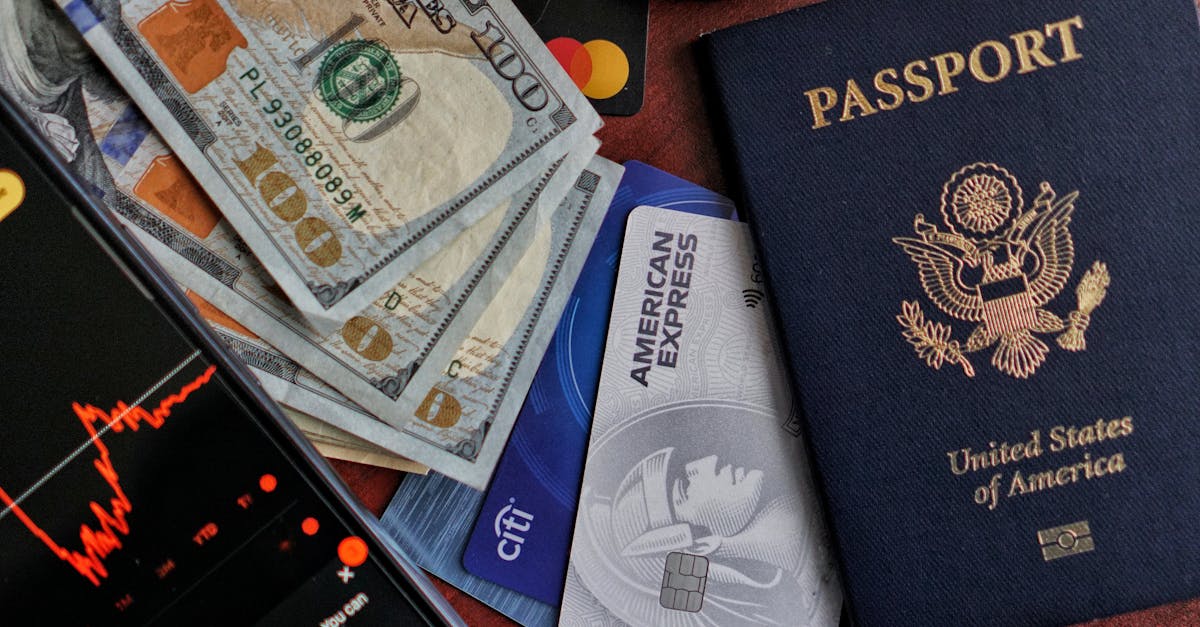
The Secret Costs That Sneak Up and Mug You
Everyone budgets for flights and accommodation. Nobody budgets for the stuff that actually breaks your bank on a long trip.
Let's be honest — the financial killers of full-time travel aren't the big purchases. They're the invisible recurring ones:
- The "visa run" trap: that cheap flight to renew your visa that ends up costing three nights of hotels and a full day of stress.
- Health stuff: a single dental visit abroad set me back more than a month of groceries. Travel insurance helps, but the deductible is real money.
- The gear death spiral: my backpack zipper died in month five. Replacement wasn't optional.
- Home obligations: subscriptions, storage units, phone plans, and the friend who Venmos you for a birthday gift you didn't attend.
My rule now: whatever number you think you need, add 30%. If you can't afford that number, you can't afford the trip. Harsh? Maybe. But it's the truth nobody tells you before you book the one-way ticket.
Slow Travel Isn't a Vibe — It's a Financial Strategy
I spent one month in a small town in Portugal instead of bouncing between six cities. My friends thought I was wasting the trip. My bank account thought I was a genius.
Here's the math nobody runs: the first 72 hours in any new place are the most expensive. You pay tourist prices because you don't know where the locals shop. You eat out because you haven't found the kitchen situation. You take taxis because you don't know the bus routes. Staying put for weeks flips all of that. My monthly rent in that town was less than ten nights in a mid-range hotel in a capital city.
Slower travel also unlocked something I didn't expect: local pricing. The bakery gave me the regular price once I was a familiar face. The gym let me buy a monthly pass instead of day rates. Small-town economics rewarded me for staying.
If you're planning a year of budget travel, the single biggest financial lever isn't finding cheaper flights. It's staying longer in fewer places. It's less glamorous than the highlight reel, but it's the difference between hemorrhaging money and actually affording the year.

The Mind Games Are the Real Expense
Nobody warned me about the psychological tax of budget travel.
When you're budgeting hard for a full year, every purchase becomes a decision with emotional weight. That €1.20 tomato? It wasn't about the tomato. It was about the constant, low-grade hum of can I afford this, should I afford this, am I doing this wrong.
I've found that the travelers who burn out fastest are the ones who treat every expense as a moral test. You start to feel guilty for buying a coffee. You skip the museum because it's "not in the budget" and then spend the afternoon miserable in a park. That's not saving money — that's paying in a different currency.
So I built what I call a "joy line" into my budget. A fixed amount each week I could spend on anything with zero guilt and zero tracking. A pastry. A museum ticket. A terrible touristy thing I'd regret but enjoy. It sounds fluffy, but it kept me sane and — counterintuitively — kept me under budget overall, because I stopped making emotional impulse purchases out of deprivation.
Budget travel finance isn't just about spreadsheets. It's about sustainability. A budget you can't live with isn't a budget — it's a countdown to quitting.
What I'd Tell Anyone About to Try This
A year of full-time budget travel taught me more about money than a decade of regular life. Not because I became some frugal guru, but because I was forced to see every financial decision up close, with no autopilot to hide behind.
If you're dreaming of doing this, here's my honest advice:
- Build a buffer, not a plan. Plans break. Buffers bend.
- Track for real for six weeks before you commit. Your actual spending is the only data that matters.
- Stay longer, move less. It's the cheapest and richest way to travel.
- Protect your joy line. Misery is expensive.
- Know your number — the one where you go home. Having an exit plan removes the panic.
So here's my question for you: if you stripped away the Instagram version, could you actually afford the trip you're dreaming about — and more importantly, could you live with the version of yourself it turns into? Run the real numbers. Then decide. The tomato is waiting.