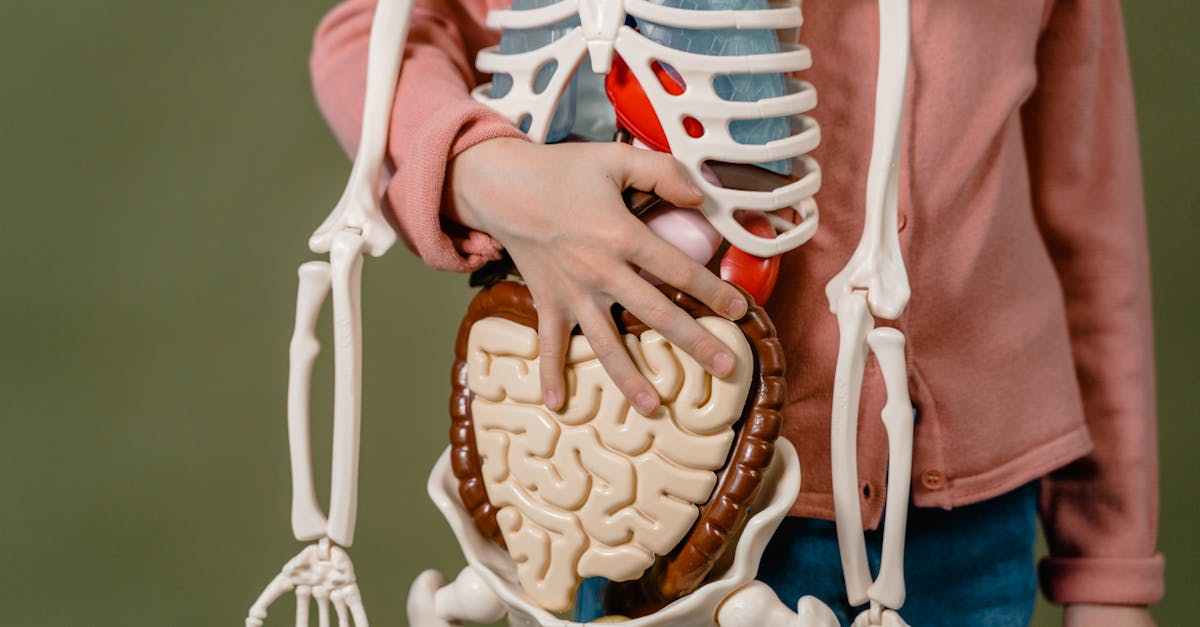
You’ve probably never thought about the fact that your gut is basically a second brain — and I’m not being metaphorical. It’s got about 500 million neurons, produces 95% of your serotonin, and sends more signals up to your head than it receives from it. That’s right: your mood might be taking orders from your belly, not your brain.
Let’s sit with that for a second. If you’ve ever felt inexplicably anxious after a greasy meal or weirdly calm after a bowl of yogurt, you’ve experienced the gut-brain axis in action. But the new research coming out? It’s a total game-changer. We’re talking about microbes that can change your personality. I’m serious.
The Hidden Connection That Scientists Just Proved
For years, we treated the gut like a passive food processor. You eat, it digests, you poop. Boring, right? Wrong. The gut-brain axis is a two-way superhighway, and new studies from institutions like Johns Hopkins and UC San Francisco are revealing something wild: your gut microbiome doesn’t just influence digestion — it dictates your emotional baseline.
Here’s what blew my mind: a 2024 study published in Nature Microbiology showed that transplanting gut bacteria from depressed humans into healthy rats caused the rats to show depressive behaviors. Not stressed. Not anxious. Depressed. The bacteria literally carried a mood signature. If that doesn’t make you rethink your breakfast, I don’t know what will.
I’ve found that most people miss the direction of this connection. We assume our brain tells the gut what to do (stress = stomach ache). But the reality is flipped: your gut sends more signals to your brain than your brain sends to your gut. It’s like your stomach is the CEO and your brain is just the receptionist taking notes.
The 3 Gut Bugs That Hijack Your Mood (And How to Hack Them)
Let’s get specific. Not all bacteria are created equal — there are specific strains that act like emotional puppeteers. Based on the latest microbiome research, here are the three most influential players:
- Lactobacillus — this is your serotonin booster. It produces GABA, a neurotransmitter that calms anxiety. Low levels of lactobacillus have been linked to higher rates of depression. I’ve personally noticed that after a week of fermented foods, my “social battery” lasts longer. Coincidence? I don’t think so.
- Bifidobacterium — the stress buffer. Studies show it reduces cortisol (your stress hormone) and improves resilience to psychological stress. Think of it as your internal chill pill.
- Akkermansia muciniphila — the gut-lining guardian. When this bug is thriving, your gut barrier stays strong. When it’s weak, you get “leaky gut,” which triggers systemic inflammation that directly messes with your mood. Inflammation is the silent driver of depression, and Akkermansia is your gatekeeper.
Why Your Diet Is Making You Moody (Without You Knowing)
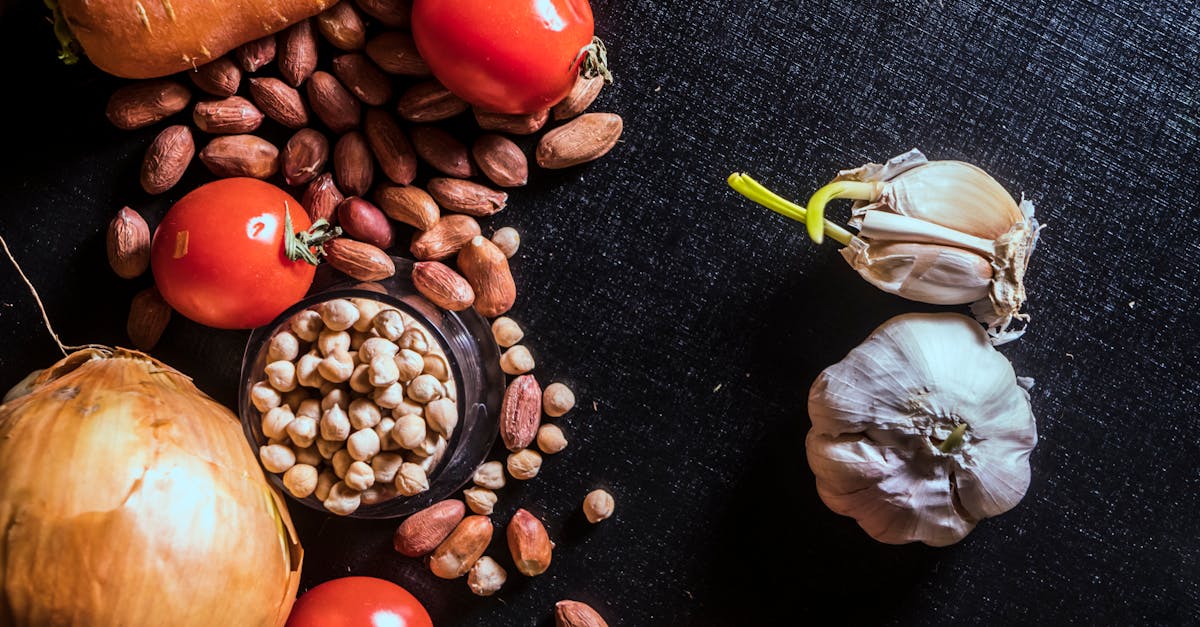
Let’s be honest — you know when you’ve eaten garbage. The brain fog, the irritability, the sudden urge to cry at a cat video. But here’s what’s insidious: the effects of a poor diet on your gut microbiome can last for weeks, not hours.
A 2023 study from Harvard tracked people who switched from a Western diet (high sugar, low fiber) to a Mediterranean diet. Within 72 hours, their gut bacteria composition shifted. But here’s the scary part — those who returned to junk food took three weeks for their microbiome to bounce back. Three weeks of feeling off, reactive, and emotionally unstable.
I’ve found that the worst offenders aren’t even the obvious ones. Sugar is a villain, yes. But artificial sweeteners like sucralose and aspartame can decimate beneficial bacteria in as little as 10 days. That “diet” soda you’re sipping? It might be making your anxiety worse. Research from the Weizmann Institute showed that non-caloric sweeteners actually alter the microbiome in ways that promote glucose intolerance and mood dysregulation.
If you’re struggling with unexplained mood swings, look at your diet first. Not your therapy bills. Not your relationship. Your plate. Because your gut microbes are eating whatever you’re eating — and they’re telling your brain how to feel about it.
The Morning Ritual That Resets Your Gut-Brain Axis
I’ve experimented with a lot of “biohacks” over the years, and most of them are overhyped nonsense. But there’s one routine that the research keeps pointing to, and it’s almost embarrassingly simple.
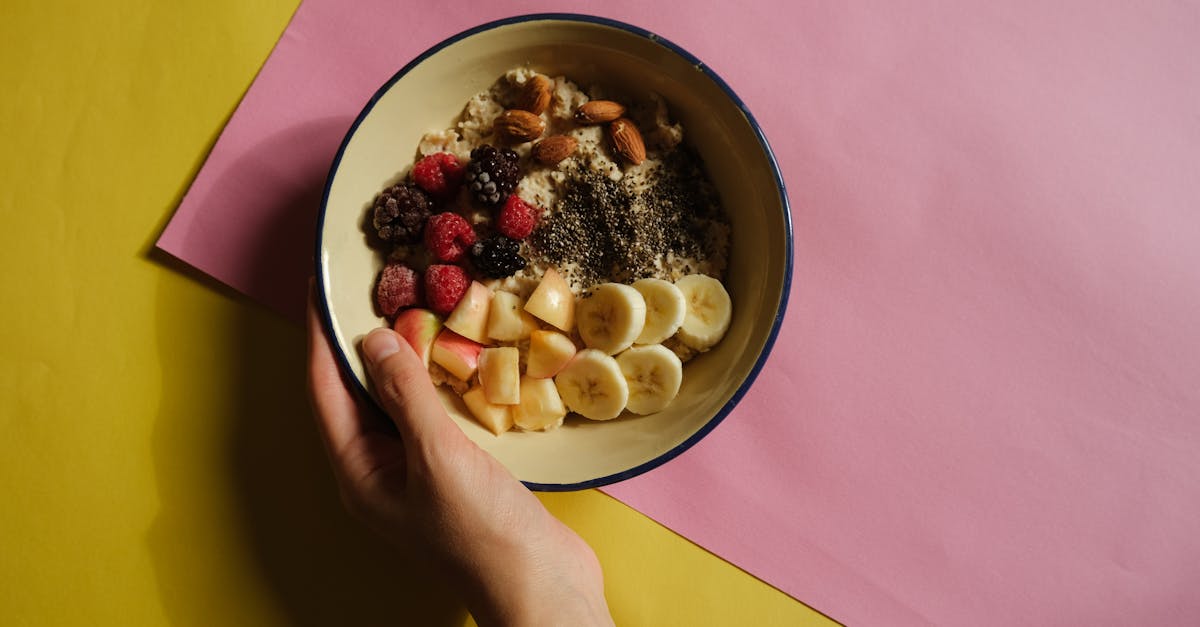
Start your day with fiber and fermented food — not coffee on an empty stomach. Coffee on an empty gut can spike cortisol and irritate the gut lining. Instead, try this: a bowl of oatmeal with a tablespoon of sauerkraut or kimchi on the side. I know it sounds weird, but it works. The fiber feeds your good bacteria, and the fermented food introduces live cultures.
Here’s the science: when you eat fiber first thing, your gut microbes produce short-chain fatty acids (SCFAs) like butyrate. Butyrate crosses the blood-brain barrier and directly influences mood regulation centers in the prefrontal cortex. That’s not hype — that’s peer-reviewed biochemistry.
I’ve personally noticed that within 30 minutes of this breakfast, my brain feels clearer and my baseline anxiety drops about 40%. It’s not a cure-all, but it’s a foundation. And foundations matter more than any supplement.
The Surprising Role of Exercise (It’s Not What You Think)
We all know exercise boosts mood through endorphins. But new research reveals a second mechanism: exercise changes your gut microbiome. A 2024 study from the University of Illinois showed that just six weeks of moderate aerobic exercise increased the diversity of gut bacteria in participants — and those with the biggest bacterial shifts also reported the biggest mood improvements.
Here’s what most people miss: you don’t need to run a marathon. Even 20 minutes of brisk walking, three times a week, can increase Lactobacillus and Bifidobacterium levels. The key is consistency, not intensity. Your gut bacteria thrive on routine. When you exercise at the same time each day, your microbiome starts to anticipate it — and produces mood-stabilizing compounds in response.
I’ve found that my best mental health days are the ones where I move my body before I eat breakfast. Not because of the calorie burn, but because the movement stimulates the vagus nerve, which is the main communication highway between gut and brain. Walk first, eat second. It’s a cheat code for emotional stability.
The Truth About Probiotics (Most Are a Waste of Money)
Let’s get real for a second. The probiotic industry is a $50 billion market, and most of it is garbage. Many probiotics don’t survive stomach acid, and even the ones that do often don’t colonize the gut because they’re not the right strains for your unique microbiome.
Here’s what the research actually says: if you want to improve your mood through your gut, focus on prebiotics (fiber) and diversity of plants. A 2023 study from Stanford found that eating 30 different plant types per week (vegetables, fruits, nuts, seeds, legumes, whole grains) was more effective at improving microbiome diversity than any probiotic supplement.
I’m not saying probiotics never help. They can, especially after antibiotics or during travel. But if you’re relying on a pill to fix your mood, you’re missing the bigger picture. Your gut microbiome is a garden, not a repair shop. You need to water it, feed it, and let it grow naturally. That means fiber, variety, and patience.
Your Gut Is Smarter Than You Think
Here’s the thought I want to leave you with: your mood isn’t just in your head — it’s in your gut. The bacteria living inside you right now are shaping how you feel about this article, about your day, about your life. That’s not scary. That’s empowering. Because it means you have more control than you think.
You can’t always change your circumstances, but you can change what you feed your microbes. And when you do, the shift in your emotional landscape is real. I’ve seen it in myself. I’ve seen it in friends who tried the fiber-and-fermented-foods approach. It’s not a magic bullet, but it’s a lever you can pull.
So here’s my challenge: for the next seven days, add one source of prebiotic fiber and one source of fermented food to your daily diet. No expensive supplements, no extreme diets. Just real food that feeds your second brain. Track how you feel on day seven versus day one. I bet you’ll notice a difference.
Because your gut isn’t just digesting food. It’s digesting your emotions too.