Let me tell you something: the worst feeling in trading isn’t losing money. It’s watching a trend explode, knowing you saw it coming three weeks ago, and doing absolutely nothing about it.
I’ve been there. I once spotted the early chatter around a niche crypto project back in 2021. The Discord had 200 people. The subreddit was dead. I thought, “Nah, this is too small.” Three months later, that project did a 40x. I still think about it when I can’t sleep.
Here’s the hard truth: spotting the next market trend before it goes viral isn’t about luck, and it’s definitely not about gut feelings. It’s about having a system. A data-driven, repeatable process that filters noise from signal.
Most people miss trends because they’re looking in the wrong places or they’re too late. They’re watching the same Twitter feeds, the same Reddit threads, the same YouTube channels everyone else is watching. By the time a trend hits mainstream social media, the smart money has already positioned.
Let’s fix that.
The Myth of the “Early Adopter” (and What Actually Works)
Everyone wants to be the first to call a trend. But here’s what most people miss: being first is overrated. The real money isn’t made by the person who discovers the trend — it’s made by the person who confirms the trend early and rides the wave.
I’ve found that trying to be first leads to two things: burnout and bad bets. You’re chasing every random ticker, every obscure NFT collection, every DeFi protocol with a weird name. You end up with a portfolio that looks like a garage sale.
Instead, focus on being an early confirmer. You don’t need to be in a trend at 1% adoption. You need to be in at 5-10% adoption, when the data starts to scream, but the crowd still hasn’t noticed.
How do you find that sweet spot? You stop relying on your own intuition and start relying on leading indicators — data points that predict future price action before price moves.
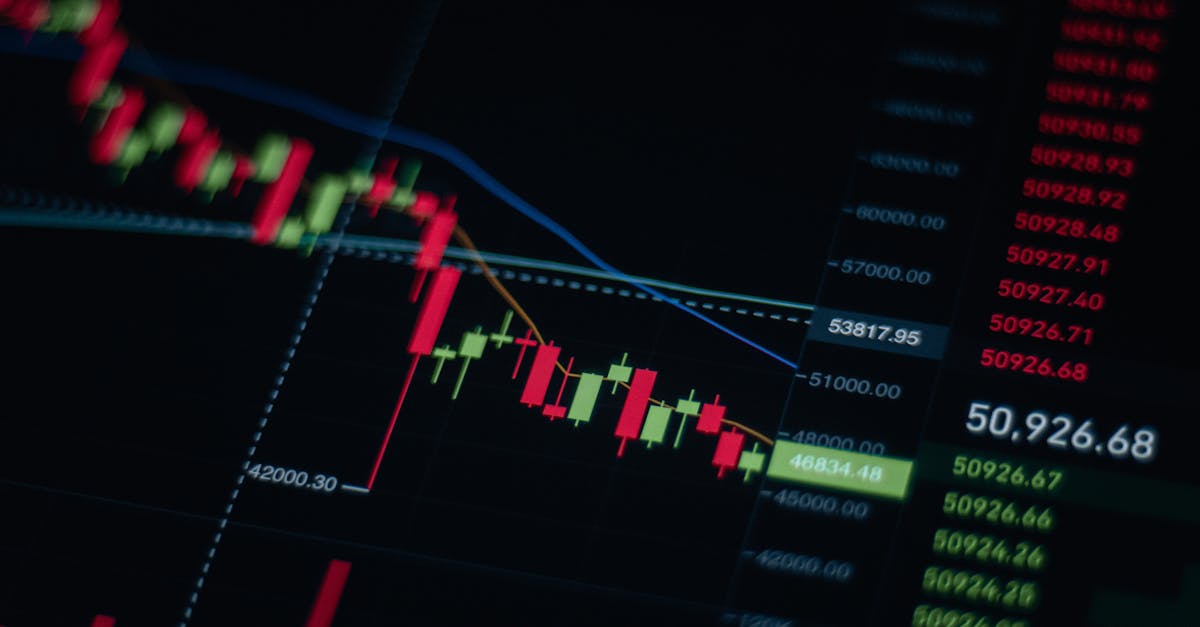
The 3 Data Signals That Predict Trends (Ignore Everything Else)
Let’s be honest: there are a thousand metrics you could track. Volume. Open interest. Social mentions. Google Trends. Wallet activity. Developer commits. It’s overwhelming.
I’ve simplified it down to three signals that have consistently identified trends weeks before they blow up. Here’s the filter:
1. Unusual Volume Divergence
Most people look at price. Smart people look at volume. When volume starts increasing while price is flat or slightly declining, something is brewing. This is accumulation. Big players are buying quietly, and they don’t want to move the price yet.
I scan for assets where volume has increased at least 50% over a 7-day period, but price has moved less than 5%. That’s a massive red flag that something is cooking. I’ve caught multiple altcoin runs this way.
2. Social Sentiment Saturation (The Opposite of What You Think)
Here’s the counterintuitive part: when everyone is screaming about a trend, it’s usually too late. But when a trend is mentioned in a specific, niche community (like a small subreddit or a private Telegram group) and those mentions are growing at 20%+ week-over-week, while mainstream media is silent — that’s your signal.
I use tools that track sentiment velocity, not sentiment volume. A slow, steady increase in mentions from credible niche sources is worth more than a spike from bots and influencers.
3. On-Chain Activity (For Crypto) or Insider Filing Patterns (For Stocks)
If you’re in crypto, look at daily active addresses and transaction count before price. If those metrics are growing and price is flat, you’re early. For stocks, look at unusual options activity and insider buying patterns. When C-suite executives start buying their own stock at current prices, they’re telling you something without saying a word.

How to Build Your Own Trend Radar (Without Going Crazy)
You don’t need a Bloomberg terminal or a PhD in data science. You need a simple, repeatable process. Here’s mine:
Step 1: Set Up Your Watchlist Based on Themes, Not Tickers
Don’t start with random coins or stocks. Start with a thesis. For example: “AI agents tokenizing real-world assets.” That’s a theme. Then find 5-10 projects or companies within that theme. This filters out 90% of the noise.
Step 2: Track the 3 Signals Weekly
Every Sunday, I spend 30 minutes running my watchlist through these three filters. I use free or cheap tools: CoinGecko for volume data, LunarCrush for social velocity, and Nansen (or Dune Analytics) for on-chain metrics. For stocks, I use Finviz for unusual volume and OpenInsider for insider filings.
Step 3: Only Act When Two Signals Align
One signal is noise. Two signals are a thesis. Three signals are a trade. If I see volume divergence AND social sentiment velocity increasing, I start a small position. If on-chain activity confirms, I add more. If price starts moving without volume, I take profits.
This system has saved me from buying into hype dozens of times. It’s also caught me trends like the early Solana ecosystem in 2023, before the mainstream narrative shifted.
The Silent Killer of Trend Spotting (And How to Avoid It)
Here’s what nobody talks about: your own ego.
The moment you think you’ve found the next big thing, your brain starts looking for confirmation, not truth. You’ll ignore data that says “this is a dead cat bounce” and only see the data that says “this is the next Amazon.”
I’ve fallen for this more times than I want to admit. I once convinced myself a random metaverse coin was the future because I liked the whitepaper. The volume data was flat. The social sentiment was manufactured. I bought in anyway. It dropped 80%.
The solution? Pre-commit to your exit criteria before you enter. Write it down. “If volume drops below X, I sell. If price breaks below Y, I sell.” No exceptions. Treat it like a contract with yourself.

The Bottom Line: Trends Are Hiding in Plain Sight
The next market trend isn’t on the front page of Bloomberg. It isn’t being shouted about by a Twitter influencer with 500k followers. It’s hiding in the data, quietly building momentum while everyone chases the last big thing.
You don’t need to be a genius. You don’t need a crystal ball. You need a process, discipline, and the willingness to look boring while others are being loud.
Start small. Pick one theme this week. Run it through the three signals. See what happens. The worst outcome is you learn something. The best outcome is you catch a wave before it breaks.
And when you do, don’t forget to enjoy the quiet moment before the storm. Because once it goes viral, the game changes.
Now go find your trend.