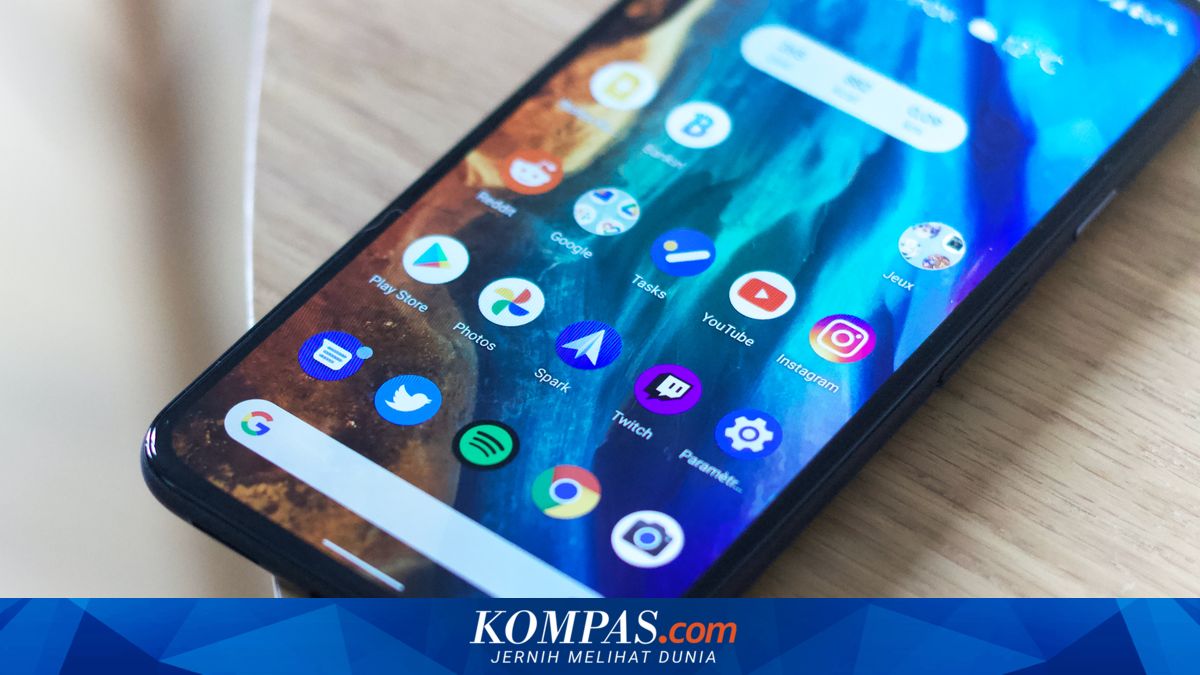
Deleting a photo from a phone's gallery does not usually erase it straight away. According to Kompas.com, the image is first moved to a trash or "Recently Deleted" folder inside the gallery, where it can be restored with little effort. It is only removed for good once it has sat there for roughly 30 days without being recovered, or once the user deletes it from that folder directly.
Kompas.com reports that even permanently deleted photos can still be brought back, and that the methods for doing so are relatively simple. The article, published on Sunday (1/11/2026), describes two main routes: files saved in cloud storage services, and third-party data recovery applications.
Why it matters
Photos stored on a phone often carry personal and irreplaceable value, from family records to work documents, and many users only discover a loss after the trash folder has already been emptied. Kompas.com notes that most phones sold today are integrated with cloud storage services, meaning photos and other files can be backed up automatically. That backup is what makes recovery possible after permanent deletion, which is why knowing whether it exists — and when it was last updated — matters more than knowing the recovery steps themselves.
Recovering through Google Drive on Android
The first method Kompas.com describes uses Google Drive and applies to Android phones. Android devices can back up files to Google Drive, and the option is generally found in the Google account settings menu on the handset. If a backup was made before the photo was deleted, that data can be returned to the phone.
The recovery itself requires resetting the device to its factory settings. The user then sets the phone up again, signs in with their Google account, and restores the device from the backup available in Google Drive. Everything in that backup is returned to the phone, including the photos that had been permanently deleted.
Kompas.com flags two drawbacks to this approach. The first is that it fails if a newer backup exists: if a backup was created after the photo was deleted, the Google Drive copy will have been updated and the deleted photo will no longer be recoverable from it. The second is that files added after the deletion will not be present on the phone once the restore is complete, because the device is being returned to an older state.
Google Photos and recovery apps
Kompas.com also points to Google Photos as a route for Android users. When an Android phone is backed up to Google Drive, the article states, photos are stored in Google Photos, which gives users another place to look for images missing from the gallery.
Beyond cloud services, the article lists data recovery applications as a further option for retrieving permanently deleted photos. Kompas.com does not name specific apps or describe how they work in the portion of the report available.
The article's central point is that the outcome depends heavily on preparation. A cloud backup made before the deletion is what allows a photo to be restored; without one, the options narrow to recovery software. Users who want to protect their photos may want to confirm that backup is switched on and check when it last ran, since a backup made after a deletion can overwrite the copy that would have saved the file.